Last spring, a friend of mine spent three hours stuck in traffic trying to reach a famous cherry blossom festival, only to find it packed shoulder-to-shoulder with tourists, overpriced street food, and barely a glimpse of the actual blossoms. Meanwhile, just 20 minutes down the road, a small village was hosting its own quiet flower festival — handmade lanterns, local artisans, freshly brewed makgeolli, and almost no crowds. That contrast stuck with me. And honestly? It changed how I think about attending local festivals entirely.
With 2026 shaping up to be a banner year for regional and local festivals worldwide — fueled by post-pandemic cultural revival funding and a growing appetite for authentic travel experiences — now is the perfect time to talk about how to uncover the hidden gems that most visitors walk right past.
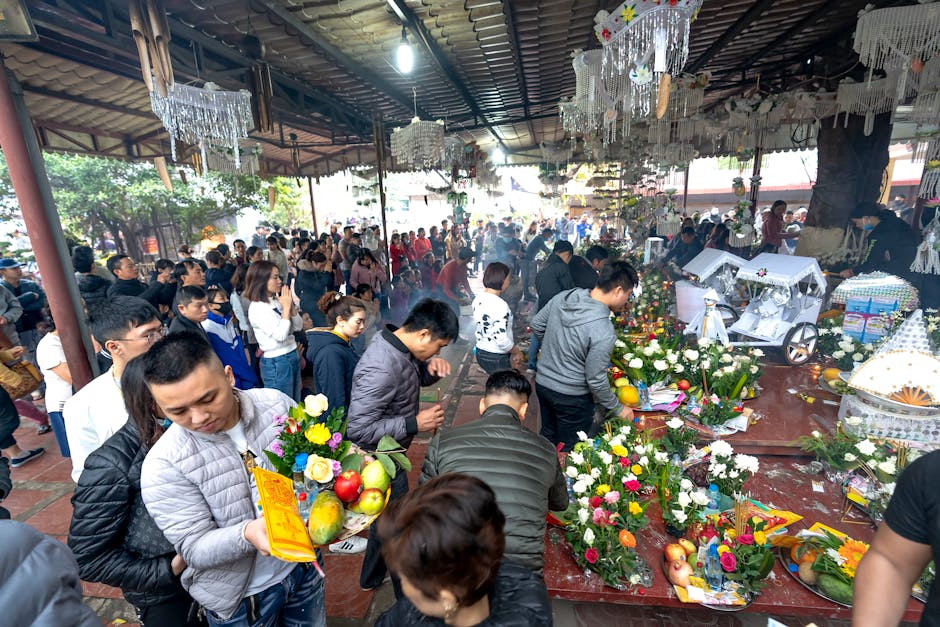
Why 2026 Is a Turning Point for Local Festival Culture
According to the Global Events & Festivals Report (2026 edition), over 14,000 registered local and regional festivals are expected to take place across Asia, Europe, and North America this year alone — a 22% increase from just three years ago. Governments and municipal tourism boards have been channeling significant funding into hyper-local cultural events, partly to distribute tourist traffic away from over-saturated iconic sites.
In South Korea, for example, the Ministry of Culture, Sports and Tourism allocated roughly ₩380 billion in 2026 to support local festivals across all 17 administrative regions — with a special emphasis on non-metropolitan areas. This has quietly birthed dozens of remarkable festivals in towns most people have never heard of. The same trend is playing out in Japan’s rural prefectures, Portugal’s interior villages, and small-town America.
What this data tells us is simple but powerful: the best experiences in 2026 aren’t in the spotlight — they’re just beside it.
What Makes a Festival Spot “Hidden” in the First Place?
Let’s think through this together. A hidden festival gem usually checks a few specific boxes:
- Low social media saturation: If the hashtag has fewer than 50,000 posts, you’re probably onto something good.
- Local-first programming: Events designed primarily for residents, not tourists — think regional cooking contests, folk music competitions, or artisan craft fairs.
- Off-peak timing: Weekday events, early morning ceremonies, or late-afternoon secondary stages that most visitors skip.
- Geographic adjacency: Located within 30–60 minutes of a major festival venue, these spots absorb almost none of the overflow crowd.
- Word-of-mouth discovery: No major travel blog has covered it yet — your best intel comes from locals, guesthouses, or community boards.
Real-World Examples: Hidden Festival Spots Worth Noting in 2026
Let’s ground this in some concrete examples, both domestic (Korean) and international, because I think seeing real cases makes the strategy click.
🇰🇷 Korea — Uiseong Garlic Festival Side Stages (North Gyeongsang Province): While the main Uiseong Garlic Festival draws respectable crowds to the central plaza, the surrounding farming villages host informal jeongja (pavilion) gatherings where elderly locals perform traditional pungmul percussion music. No entrance fee, no ticket line — just ask at your guesthouse which village is holding its evening gathering that night.
🇯🇵 Japan — Hida Furukawa vs. Takayama Matsuri: Most travelers flock to the internationally famous Takayama Festival. But Hida Furukawa, just 15 minutes north by local train, hosts its own Furukawa Matsuri — a UNESCO Intangible Cultural Heritage event with dramatic okoshi daiko drumming and far more intimate access to the floats and performers. Attendance in 2026 remains a fraction of Takayama’s crowds.
🇵🇹 Portugal — Monsanto Village Festivals (Castelo Branco District): While Lisbon’s festivals get all the Instagram love, Monsanto — a medieval village literally built into giant boulders — hosts intimate summer solstice celebrations in 2026 that feel like stepping into another century. The village has fewer than 800 residents, and the festival is run almost entirely by community volunteers.
🇺🇸 USA — Side Events at Mardi Gras Beyond Bourbon Street: Most visitors lock themselves onto Bourbon Street during New Orleans’ Mardi Gras season. But the Treme neighborhood — the oldest African American neighborhood in the US — hosts its own brass band second-line parades and cultural gatherings that offer far deeper historical and musical richness, often simultaneously.
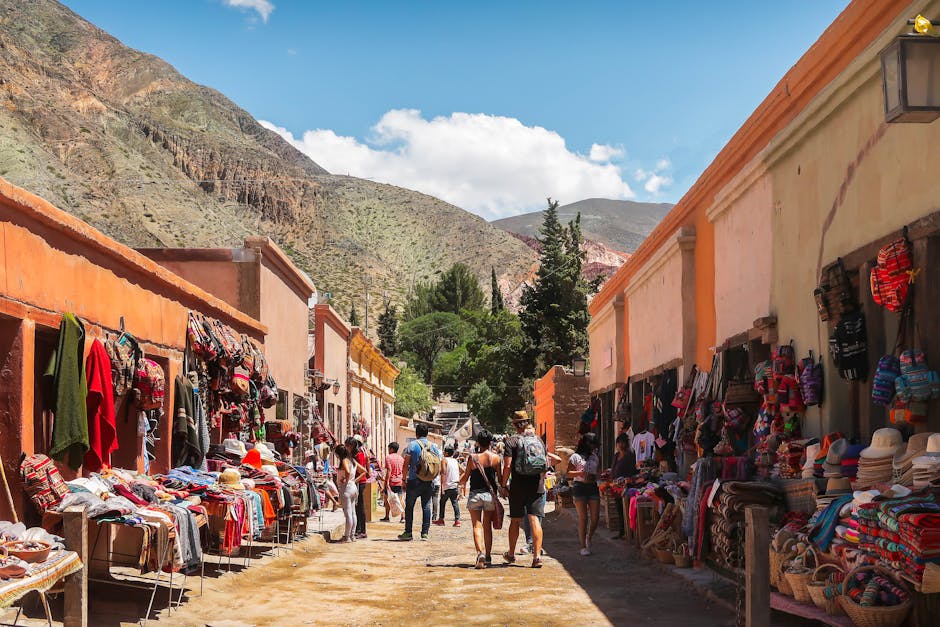
How to Actually Find These Hidden Spots: A Practical Framework
Okay, so knowing they exist is one thing. Actually finding them before your trip is another. Here’s how I approach it:
- Use regional tourism boards, not national ones: County-level or municipal tourism websites often list events that never make it to the national tourism app.
- Join local Facebook Groups or Naver Cafes: Sounds old-school, but hyper-local community groups are gold mines for festival insider knowledge.
- Ask accommodation hosts directly: Guesthouses and minbaks in smaller towns almost always know about nearby village events that week.
- Check municipal cultural center calendars: Korean 문화원 (Cultural Centers), Japanese 公民館 (Kominkan), and European Maison de la Culture boards post local event schedules weeks in advance.
- Arrive a day early: Showing up the day before a major festival gives you time to explore surrounding areas before the crowds descend.
Realistic Alternatives If You Can’t Travel Far
Not everyone can hop on a plane or take a multi-day road trip to chase festival hidden gems — and that’s completely okay. Here’s how you can apply the same philosophy closer to home:
If you’re in a major city, look for neighborhood-level festivals rather than city-wide events. In Seoul, for instance, the Seochon Village Hanok Festival or the Mangwon Market seasonal events offer an intimate, crowd-light experience compared to the massive Hangang Park festivals. In New York, borough-level street fairs in Queens or the Bronx regularly outshine Manhattan’s overcrowded equivalents in terms of cultural authenticity and food quality.
The core principle stays the same whether you’re traveling internationally or just across town: move one layer deeper than the obvious choice, and that’s usually where the real experience lives.
Editor’s Comment : The best travel memories I’ve collected over the years almost never came from the most famous spot on the itinerary. They came from the detour — the small stage no one was rushing to, the village elder who explained a ceremony nobody else stopped to ask about, the bowl of stew from a grandma’s pot that had no menu and no price sign. In 2026, as festival culture is genuinely booming with fresh energy and funding, the hidden gems are more plentiful than ever. The only question is whether you’re willing to look just a little bit sideways from the crowd. I think you are — otherwise you wouldn’t have read this far.
태그: [‘2026 local festivals’, ‘hidden festival gems’, ‘crowd-free travel 2026’, ‘authentic cultural experiences’, ‘festival travel tips’, ‘off-the-beaten-path festivals’, ‘local travel 2026’]
Leave a Reply