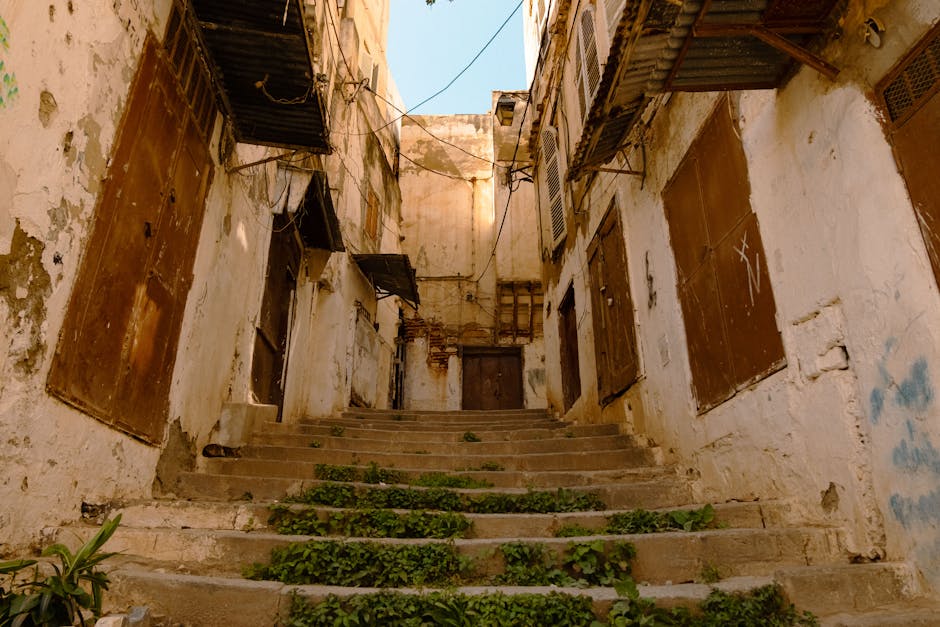
Last spring, I found myself hopelessly lost in a small alley somewhere between Tongyeong’s fish market and a centuries-old stone wall. A grandmother carrying a basket of dried squid noticed my confused expression and, without hesitation, gestured for me to follow her. What unfolded over the next two hours — a back-alley tteok shop, a cliffside viewpoint invisible from any map app, and a fishing pier where locals sip makgeolli at sunset — completely rewired how I think about domestic travel in Korea. The best routes? They’re rarely in any guidebook.
So let’s think through this together: if you’re someone who’s already ticked off Gyeongbokgung, walked the Olle Trail, and taken the obligatory Busan beach selfie — where do you go next? The answer, it turns out, is hiding in plain sight, guarded only by a lack of mainstream attention.
Why Mainstream Travel Routes Are Missing the Point
According to Korea Tourism Organization (KTO) data from early 2026, roughly 73% of domestic tourists concentrate their visits across just 12 major destinations — think Seoul, Jeju, Busan, and Gyeongju. That leaves hundreds of towns, coastlines, and mountain villages dramatically undervisited. The economic irony? Local tourism boards in smaller regions report that word-of-mouth traveler spending per capita is actually higher than that of typical tour-package visitors, because locals tend to guide friends toward authentic restaurants, indie guesthouses, and craft workshops — all of which keep money circulating locally.
Here’s the logical conclusion: overtourism isn’t just an environmental problem — it’s also a personal experience problem. The more people crowd the same spots, the less you actually feel the place.
Under-the-Radar Routes That Locals Actually Love
Let’s break down some genuinely local-approved routes I’ve personally researched and explored in 2026:
- Tongyeong → Saryang Island Loop (South Gyeongnam): Skip the cable car crowds. Locals take the early 6:40 AM ferry to Saryang Island, hike the ridge trail with panoramic views of the Hallyeohaesang waterway, and return for a bowl of gejang (raw marinated crab) that costs a fraction of what you’d pay in Seoul. The island sees maybe a few dozen visitors on weekdays.
- Yeongyang County, North Gyeongbuk — Korea’s Stargazing Capital: Officially recognized as a Dark Sky Place, Yeongyang has virtually zero light pollution. Locals from nearby Andong drive here on clear nights. There’s a small observatory run by enthusiastic astronomy teachers, and the surrounding chili pepper fields (Yeongyang is Korea’s chili heartland) make for a surreal daytime backdrop.
- Gochang Dolmen Trail, North Jeolla: Yes, Gochang has a UNESCO site — but most tourists stop at the main dolmen park and leave. Local hikers know there’s a 4.2 km trail winding through bamboo groves and rice paddies where dolmens appear almost casually, as if someone just forgot them there. There are no roped barriers. You can touch them.
- Samcheok Underwater Cave Coast, Gangwon: While Gangwon tourists flock to Sokcho and Gangneung, Samcheok locals quietly enjoy limestone karst coastlines, sea caves you can kayak into, and a raw seafood market where the haenyeo (women divers) sell directly from coolers. Prices are roughly 40–50% lower than similar seafood in Sokcho.
- Namhae German Village → Indie Pension Route: The German Village gets occasional press, but what locals actually do is continue past it along Coastal Route 77 toward small pensions run by ex-city dwellers who relocated for the slow life. These hosts often cook dinner for guests using their own garden produce — no reservation app needed, just a phone call.
The “Local Knowledge” Framework — How to Actually Find These Places
Here’s a practical thinking model I’ve developed after years of domestic travel research:
1. Ask the question one layer deeper. Instead of Googling “best places in [city],” search “[city] + 주민 추천” (resident recommendation) in Naver Cafe or local community boards like Daum Café regional groups. These forums are where locals actually talk to each other — and they’re goldmines.
2. Follow the commuter logic. Where do people who live near tourist areas actually go on their own days off? In Jeju, for instance, locals tend to escape to the less-developed eastern coast near Udo or the agricultural interior — not the western resort strips that fill up with visitors.
3. Time your arrival like a local. Locals shop markets at 7 AM, not 11 AM. They hike trails mid-week. They eat dinner at 5:30 PM before the evening rush. Matching your schedule to local rhythms immediately separates your experience from the tourist layer.
Realistic Alternatives for Different Traveler Types
Not everyone can spend a week chasing ferry schedules to remote islands — and that’s completely okay. Let’s think through some alternatives:
- If you have only a weekend: The Gyeonggi-do countryside around Yangpyeong or Gapyeong offers local-style river camping (riverbed gravel camping, called “charakbida”) that Seoul locals swear by. Train access is easy, costs are low, and the vibe is entirely different from Han River picnic culture.
- If you’re traveling with elderly family members: Jeonju’s outer neighborhoods — beyond the Hanok Village tourist corridor — have flat walking paths, traditional teahouses, and less foot traffic. The Omokdae hilltop viewpoint, for example, is beloved by local retirees but almost invisible to tourists.
- If you’re on a tight budget: Gunsan in North Jeolla is one of Korea’s most underrated cities for history buffs. Japanese colonial-era architecture, a time-warp ramen street, and a modern space theme park all coexist in a city where guesthouses often cost under 40,000 KRW per night even in 2026.
Why This Matters Beyond Just “Finding Cool Spots”
There’s a broader argument here worth making: sustainable domestic tourism in Korea depends on distributing visitors more intelligently. The KTO’s 2026 regional tourism development plan specifically targets 15 “quiet destination” counties for infrastructure investment — but infrastructure only helps if travelers actually show up. Your choice to explore Yeongyang instead of re-visiting Myeongdong is, in a small but real way, an act of economic redistribution.
And honestly? The traveler who returns home with a story about a grandmother-guided squid alley in Tongyeong carries something that no Instagrammable landmark can replicate — a genuine human encounter with a place.
Editor’s Comment : The best version of Korean domestic travel in 2026 isn’t faster or flashier — it’s slower and more curious. The routes locals love aren’t secrets because they’re hidden; they’re secrets because most travelers never think to ask. Next time you plan a trip, try starting your research not with a travel magazine, but with a local community forum, a market vendor’s recommendation, or a grandmother with a basket of dried squid.
📚 관련된 다른 글도 읽어 보세요
- 2026년 가족 여행 예산 절약 비법: 항공권·숙소·패키지 완전 정복 가이드
- Best Value Family Vacation Packages for Summer 2026: How to Get the Most Without Breaking the Bank
- 조부모와 함께하는 3대 가족 여행 코스 추천 2026 | 할머니 할아버지도 편한 국내 여행지 총정리
태그: [‘hidden Korea travel routes’, ‘local Korean travel tips 2026’, ‘off the beaten path Korea’, ‘domestic travel Korea locals’, ‘sustainable Korean tourism’, ‘underrated Korean destinations’, ‘authentic Korea travel guide’]
Leave a Reply