Last autumn, I packed a single backpack, printed out a hand-drawn map from a 70-year-old innkeeper, and set off toward a village in the Taebaek Mountains that doesn’t show up on most GPS apps. No coffee shops. No Instagram-worthy cafés. Just wood-smoke in the cold air, the sound of a creek nobody had named on any travel blog, and neighbors who invited me in for makgeolli before I’d even introduced myself. That trip changed how I think about travel entirely — and I’m still processing it.
So when people ask me whether Korea’s 오지 마을 (remote backcountry villages) are worth the effort, I don’t give them a simple yes or no. I walk them through what it actually involves — because the answer depends entirely on you.
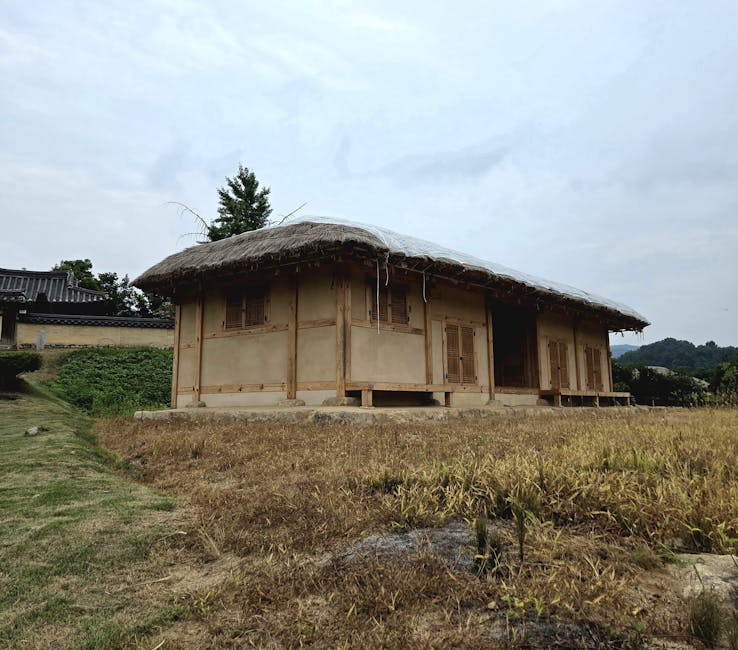
What Exactly Is an 오지 마을?
The term 오지 (oh-ji) literally translates to “a remote, hard-to-reach place.” In the context of Korean domestic travel, 오지 마을 refers to villages that are deliberately or geographically off the beaten path — often tucked into deep mountain valleys, coastal cliffs, or highland plateaus with limited road access, sparse population, and minimal commercial infrastructure.
As of 2026, the Korean government’s Ministry of the Interior and Safety categorizes roughly 340+ designated remote settlements across provinces like Gangwon-do, North Gyeongsang, and South Chungcheong. Many have populations under 50 — and those numbers are shrinking. This isn’t just a travel curiosity; it’s a living demographic story.
The Real Data Behind Remote Village Travel
Here’s what the numbers say about this niche travel trend in 2026:
- Population decline: According to Statistics Korea’s 2026 Q1 report, over 60% of designated remote villages have seen a population drop of more than 30% over the past two decades. Traveling there is, in a quiet way, bearing witness to a vanishing way of life.
- Tourism interest rising: Search trends on Naver and KakaoMap show a 47% increase in queries related to “오지 여행” and “비포장 여행지” (unpaved destinations) since early 2025, suggesting a growing appetite for raw, unfiltered experiences — especially among travelers experiencing burnout from hyper-curated destinations.
- Infrastructure gaps: Roughly 40% of these villages are accessible only via single-lane mountain roads, and fewer than 15% have any form of formal accommodation listing on major booking platforms like Yanolja or Airbnb.
- Cell coverage: In our 2026 reality of near-universal 5G, these villages often sit in dead zones — sometimes beautifully, sometimes frustratingly so.
Three Villages Worth Knowing (And What Makes Each Unique)
1. Yongneup Plateau, Gangwon-do: Sitting at 1,280 meters above sea level, this highland bog area near Taebaeksan is not a village in the traditional sense — but the handful of farming households nearby offer a glimpse of hwajeon (wildflower farming) culture that’s genuinely rare. The road ices over from November through March, which narrows your window significantly.
2. Gijibae Village, North Gyeongsang: One of Korea’s most-discussed 오지 마을 among domestic bloggers, Gijibae sits along a narrow river valley where cell signal drops within minutes of entry. The village headman (이장님) has been known to personally guide curious visitors — but only if you arrive respectfully, ideally with some rice wine as a social gesture. This is a place where jeong (the Korean concept of emotional connection) still governs social interaction.
3. Outer Heuksan Island cluster, South Jeolla: For those drawn to maritime remoteness rather than mountains, the outer islands of the Heuksan archipelago offer seasonal fishing village life that feels utterly apart from mainland Korea. Ferry schedules are infrequent and weather-dependent — missing a return ferry isn’t a metaphor here, it literally happens.
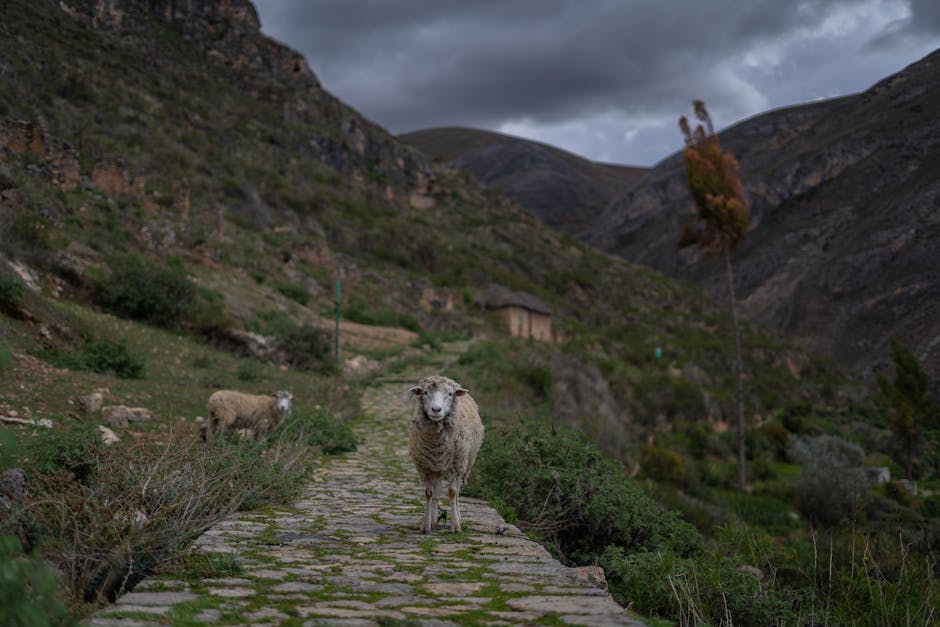
International Parallels — You’re Not Alone in This Craving
This hunger for remote, “authentic” village experiences isn’t uniquely Korean. Globally in 2026, we’re seeing parallel movements:
- Japan’s Satoyama villages (里山) have become pilgrimage sites for travelers exhausted by Kyoto’s crowds — with similar demographic challenges and similar emotional rewards for visitors willing to slow down.
- Italy’s Borghi program actively incentivizes visits to dying villages (some selling homes for €1), creating a tourism-meets-preservation hybrid that Korea is loosely beginning to explore.
- Norway’s Arctic farming communities in Finnmark have built entire slow-travel circuits around the very inaccessibility that once seemed like a liability.
The throughline? Travelers in 2026 are increasingly choosing friction deliberately. Difficulty of access has become a feature, not a bug — because it filters out the casual visitor and preserves the integrity of the experience.
Honest Challenges You Should Prepare For
- Navigation: Offline maps (MAPS.ME or Kakao’s offline mode) are non-negotiable. Don’t rely on real-time data.
- Accommodation: Most stays are arranged through minbak (homestay) or informal guesthouses. Call ahead — in Korean if possible, or with a translated voice note.
- Physical readiness: Some access paths involve unpaved trails with significant elevation change. This isn’t casual sightseeing terrain.
- Cultural sensitivity: These communities are not tourist attractions. Photographing residents or their homes without permission is not just rude — it’s a reason villagers have begun closing off to visitors entirely in some areas.
- Emergency planning: Know the nearest hospital, carry a basic first-aid kit, and share your itinerary with someone at home.
Realistic Alternatives If a Full 오지 Trip Feels Like Too Much
Not everyone can take a week off-grid, and that’s completely valid. Here are some layered alternatives that capture a similar spirit with less logistical intensity:
- Slow village day trips from mid-size cities: Jecheon in North Chungcheong or Yeongwol in Gangwon-do offer semi-rural village experiences within 30-60 minutes of city infrastructure. You get the mood without the full commitment.
- Agricultural stay programs (농촌체험): The Rural Development Administration runs certified farm-stay experiences that place you in working villages — with support structures in place. Less raw, but genuinely immersive.
- Village documentary tourism: If physical travel is limited, EBS and KBS both maintain updated 2026 documentary archives on Korea’s remote communities. Strange as it sounds, watching with intention can be its own form of respectful engagement.
The 오지 마을 experience ultimately asks one thing of you: patience. Patience with the road, with the silence, with your own discomfort, and with the incredibly slow pace at which trust is built in communities that have every reason to be wary of outsiders. But when it happens — when an elderly farmer hands you a bowl of doenjang jjigae at her wooden table and you realize you haven’t checked your phone in six hours — the return on that patience is extraordinary.
Editor’s Comment : I genuinely believe that 오지 마을 travel in 2026 is one of the most meaningful forms of domestic exploration available to us right now — not because it’s scenic (though it is), but because it forces a recalibration of what we expect from a journey. That said, please travel thoughtfully. These aren’t theme parks preserving a lifestyle for your viewing pleasure — they’re real communities navigating real challenges. The best thing a visitor can do is arrive curious, spend local, and leave quietly grateful.
태그: [‘remote village travel Korea’, ‘오지 마을 후기’, ‘Korea slow travel 2026’, ‘Korean countryside experience’, ‘off the beaten path Korea’, ‘rural Korea travel tips’, ‘authentic Korean village tourism’]
Leave a Reply