Last summer, a close friend of mine spent three weeks agonizing over what kind of family trip to plan. Her kids were 7 and 12 — old enough to remember the experience, young enough to melt down if there wasn’t something “cool” to do every two hours. She asked me: “Should we do history stuff, or just go somewhere with waterfalls and hike?” I laughed, because I’d wrestled with that same question so many times myself. And honestly? There’s no single right answer — but there IS a smarter way to think about it.
That conversation became the seed for this deep-dive comparison review. If you’re a family trying to figure out whether to book a history-focused trip, a cultural immersion tour, or a nature-heavy adventure in 2026, this guide is going to walk you through the real trade-offs, the emotional payoffs, and the logistical realities — from someone who’s done all three and lived (sometimes barely) to tell the tale.
Why Theme-Based Family Travel Matters More Than Ever in 2026
The family travel market has exploded. According to the 2026 Global Family Travel Report by the Family Travel Association (FTA), 68% of families now explicitly plan trips around a central theme rather than just a destination. That’s up from 47% in just four years. Why? Because parents are increasingly aware of something researchers call “experiential retention” — the idea that themed experiences create significantly stronger long-term memories than generic sightseeing.
A 2025 study published in the Journal of Tourism Research found that children who participated in at least one themed travel experience — whether historical, cultural, or nature-based — scored 34% higher on standardized “cultural literacy” assessments two years later. That’s not a small number. The question isn’t whether to do themed travel — it’s which theme fits your family right now.
History-Themed Family Trips: The Intellectual Playground
Let me be honest: history trips can bomb spectacularly with kids under 10 if you’re not strategic about it. I once watched a 6-year-old at Rome’s Colosseum stare at the ancient stones for exactly four minutes before asking if there was a gift shop with toys. But done right? History trips become the ones kids talk about for years.
Best destinations for 2026 history-themed family travel:
- Gyeongju, South Korea — UNESCO-listed tumuli parks and the Bulguksa Temple complex, with hands-on pottery workshops now available daily through Gyeongju Cultural Foundation programs
- Athens, Greece — The Acropolis Museum’s newly launched (2025) “Little Historians” interactive app makes excavation stories digestible for ages 6+
- Chichen Itza, Mexico — Night sound-and-light shows reinvented for 2026 with augmented reality overlays accessible via smartphone
- Nara, Japan — Todai-ji Temple combined with samurai role-play workshops available at Nara Park’s new heritage center
- Williamsburg, Virginia, USA — Colonial Williamsburg remains the gold standard for immersive historical role-play family experiences
Cost reality check: History destinations tend to cluster in the mid-to-high range. A 5-day Athens family trip (2 adults, 2 kids) averages around $3,200–$4,800 USD including flights from the US East Coast, depending on the season. The payoff in educational value is hard to quantify — but the dinner-table conversations that follow? Priceless.
Insider tip: Always look for “junior ranger” or “young historian” programs at historic sites. In the US, the National Park Service’s Junior Ranger program is free at nearly all 400+ parks — that’s a budget hack that also keeps kids genuinely engaged. The program was quietly expanded in January 2026 to include digital badge tracking via their updated app.
Culture-Themed Family Trips: The Sensory Deep Dive
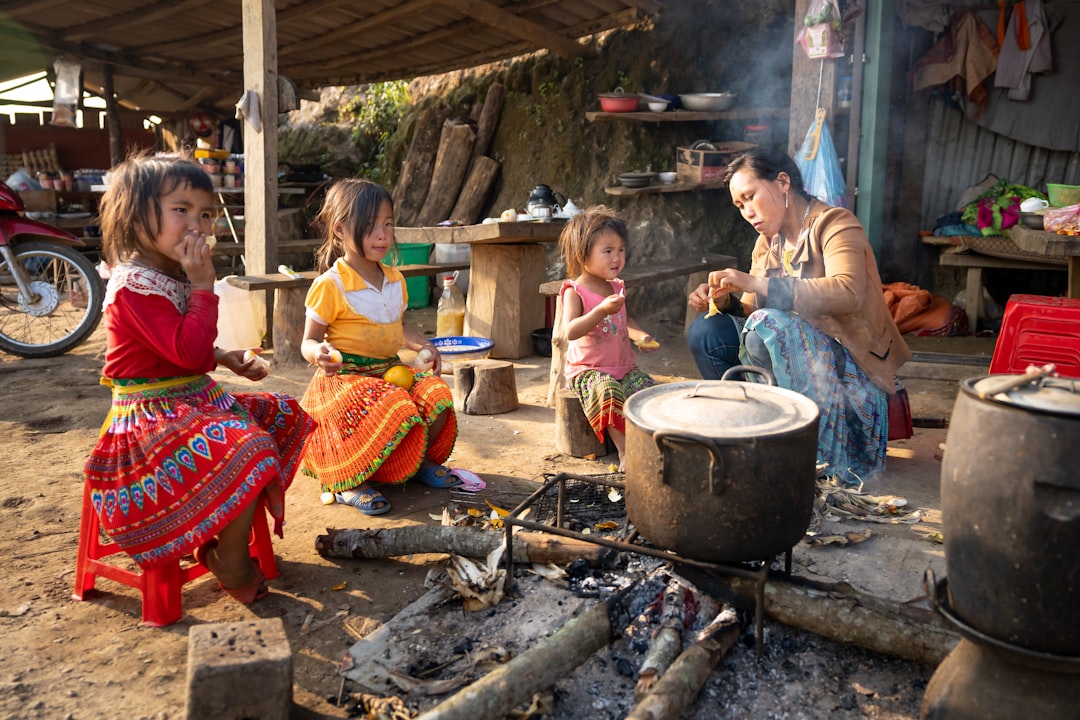
Cultural travel is the hardest category to define — and arguably the most rewarding when it clicks. It’s not just visiting a museum. It’s learning to make kimchi in a Seoul market kitchen. It’s sitting in on a traditional Balinese dance rehearsal. It’s your kid wearing a hanbok and realizing that clothes can tell a whole civilization’s story.
The distinction I always draw between “culture trips” and “history trips” is this: history is about the past, culture is about the living present. Culture trips drop your family into communities and traditions that are still breathing, still evolving.
Top-rated culture-themed family destinations in 2026:
- Oaxaca, Mexico — Mezcal is for the adults, but kids get hands-on Zapotec weaving workshops and chocolate-making tours at Cacao y Cultura
- Chiang Mai, Thailand — Thai cooking classes designed specifically for families (ages 5+) are widely available; Zabb E Lee Cooking School has a dedicated kids’ curriculum
- Marrakech, Morocco — The medina’s souks are sensory overload in the best possible way; guide-led family tours from Marrakech Insiders ($85/person) keep it from becoming overwhelming
- Kyoto, Japan — Machiya townhouse stays give families a genuine sense of domestic Japanese culture, not just temple hopping
- Jeonju, South Korea — The Hanok Village offers traditional paper-making, Korean cuisine classes, and hanji craft workshops that kids absolutely love
A 2026 survey by Booking.com’s Family Travel Index found that cultural travel scored highest for “parent satisfaction” among families with children aged 8–15, while nature trips led among families with younger children (under 8). Keep that data point in your back pocket.
Nature-Themed Family Trips: The Primal Reset
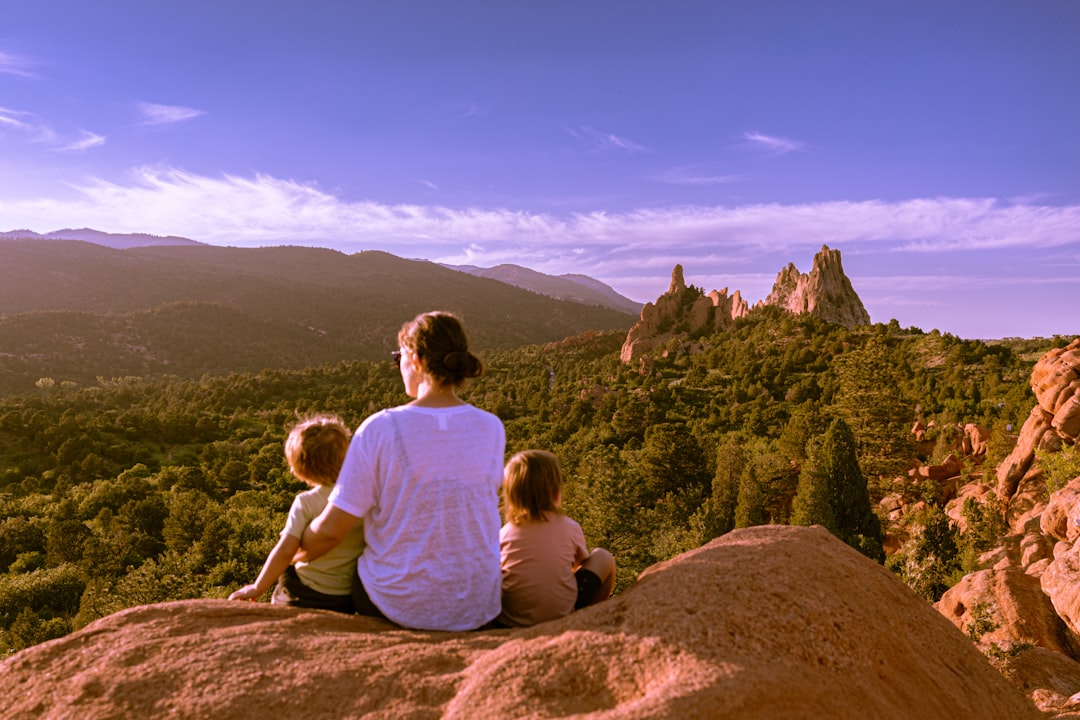
Here’s where I get personally emotional. Some of my best family travel memories involve absolutely nothing man-made. No museum, no tour guide, no monument. Just a trail through a bamboo forest in Arashiyama, the smell of salt air at the Galápagos, or watching bioluminescent waves on a beach in Puerto Rico with kids whose faces looked genuinely otherworldly in the blue glow.
Nature trips are the most physically demanding but often the most universally loved — even kids who groan at “another temple” will sprint toward a waterfall.
Nature-themed family travel highlights for 2026:
- Costa Rica — Ranked #1 in the 2026 National Geographic Traveler Family Eco-Destination list; cloud forest canopy tours and sloth sanctuary visits are must-dos
- New Zealand’s South Island — Fiordland National Park guided family treks offer kid-appropriate trails; Milford Sound kayaking now has junior life-vest sizing down to age 4
- Iceland — Midnight sun in summer means more hiking hours; the new 2026 “Family Aurora Forecast” app from Veðurstofa (Icelandic Met Office) makes northern lights hunting a game for kids
- Jeju Island, South Korea — Hallasan volcanic crater hikes, lava tube caves (Manjanggul), and black sand beaches pack a ton of natural diversity into a compact island
- Banff, Canada — Parks Canada’s “Kids in Nature” initiative offers free junior naturalist programming throughout summer 2026
Budget note: Nature destinations have the widest price range of any category. Costa Rica eco-lodges can run $400+/night, but camping in a Canadian national park can cost under $40/night. The democratizing factor of nature travel is a huge plus for budget-conscious families.
Head-to-Head Comparison: Which Theme Wins for Your Family?
Let me break it down honestly, because the “best” theme is entirely context-dependent:
- Best for toddlers and young kids (under 7): Nature — sensory-rich, physically engaging, no attention span required for lectures
- Best for middle schoolers (8–13): Culture — old enough to genuinely interact, make things, ask questions, form opinions
- Best for teens (14+): History — the “why” of civilizations becomes genuinely compelling at this age, especially when paired with good storytelling
- Best for multi-generational trips (grandparents included): Culture — shared meals, craft experiences, and performances cross age gaps beautifully
- Best for budget travelers: Nature — national parks, hiking, and camping consistently offer high experience per dollar
- Best for limited vacation time (5 days or less): History — densely packed urban destinations where you can hit multiple sites efficiently
The Hybrid Approach: Why Most Expert Travelers Blend All Three
Here’s what I’ve landed on after years of doing this: the false dichotomy is the real enemy. The best family trips I’ve ever taken — and recommended — thread all three themes together. A week in Kyoto, for example, gives you history (Fushimi Inari, Nijo Castle), culture (tea ceremony, tofu-making workshops), and nature (Arashiyama Bamboo Grove, Philosopher’s Path in cherry blossom season). That’s not a compromise — that’s a masterclass in destination richness.
Travel platforms like Airbnb Experiences, GetYourGuide, and Viator have all significantly expanded their family-specific programming in 2026. GetYourGuide’s new “Family Mood” filter (launched February 2026) lets you sort experiences by energy level, age appropriateness, and theme type — genuinely useful when you’re planning on behalf of a group with wildly different interests.
For families planning Korean destinations specifically, the Korea Tourism Organization (KTO)‘s 2026 “Family Korea Pass” bundles nature, culture, and historical site admissions with a single digital pass — excellent value at approximately ₩89,000 per adult and ₩45,000 per child for a 7-day window.
Practical Planning Tips Before You Book
- Survey your kids first, but weight the answers by age. A 5-year-old saying they want to see dinosaurs means nature/museums; a 14-year-old saying they want to “learn stuff” is a green light for history immersion.
- Check weather windows seriously. Costa Rica’s rainy season and Iceland’s shoulder months hit differently with kids than solo — factor this in.
- Build in “nothing days.” Every seasoned family traveler will tell you: the day you book nothing is often the day the best memory happens.
- Use physical activity as your gut-check metric. Kids who burn energy sleep better, which makes the whole family happier. Pick a theme that naturally incorporates movement.
- Front-load the “educational” stops. Kids are fresher on days 1–3. Save the beach or the amusement park for the end of the trip as a reward.
The 2026 family travel landscape is richer, more accessible, and more thoughtfully designed for mixed-age groups than ever before. Whether you lean toward ancient ruins, living traditions, or wild landscapes, the key is intentionality — knowing why you chose this theme and letting that story unfold for your kids, one experience at a time.
Editor’s Comment : There’s genuinely no “wrong” theme for a family trip — only poorly matched ones. If you’re still torn between history, culture, and nature, start by asking a simple question: “What do I want my kids to feel at the end of this trip?” Awe at human ingenuity? That’s history. Connection to living people? That’s culture. Humility in front of something bigger than all of us? That’s nature. Pick your feeling, then build the itinerary around it. And if budget allows, find a destination that does all three — those are the trips that turn into family mythology.
📚 관련된 다른 글도 읽어 보세요
- Family Vacation Abroad Without Breaking the Bank: Insider Secrets to Slashing Package Tour Costs in 2026
- 지도앱이 절대 안 알려주는 소도시 숨은 골목 명소 7곳 – 2026 직접 발로 뛴 리뷰
- 아이들도 어른도 다 만족한 2026 가족 여름휴가 국내 여행지 베스트 10 — 직접 다녀온 집 기준
태그: family travel themes 2026, history culture nature travel comparison, best family travel destinations 2026, themed family vacation ideas, educational travel for kids, family travel tips, family eco travel
Leave a Reply