A friend of mine — a seasoned solo traveler who’s clocked more kilometers on Korean rural roads than most GPS systems — called me last autumn with a kind of excitement I hadn’t heard from her in years. “I found a village in South Jeolla,” she said, almost whispering, “where the tide literally parts the sea path twice a day, and there were maybe six other tourists there. Six. On a Saturday.” That phone call sent me down a rabbit hole that took months to climb out of, and honestly? I don’t regret a single hour of it.
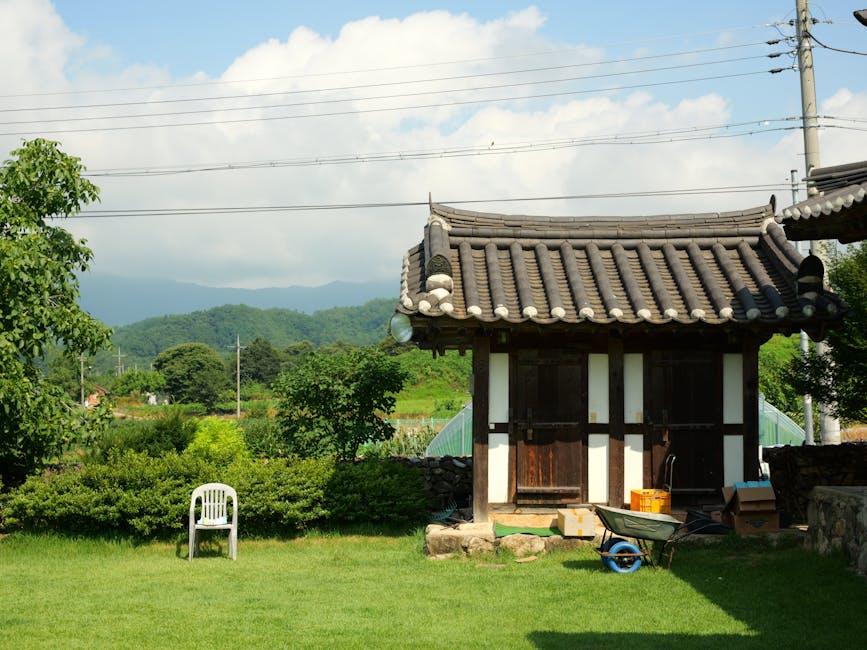
South Korea’s three great provinces — Gangwon (강원도), Gyeongsang (경상도), and Jeolla (전라도) — are home to thousands of destinations that never make it onto the standard itinerary apps. While Seoraksan, Gyeongju, and Yeosu continue to draw millions of visitors annually, there’s a parallel Korea hiding just off the highway exits, down single-lane roads, and past hand-painted wooden signs. This is the Korea that seasoned travelers whisper about.
In 2026, with domestic tourism rebounding strongly after a few uncertain years, these hidden corners are more accessible than ever — yet still blissfully uncrowded if you know where to look. Let’s go exploring together.
Why Hidden Spots? The Data Behind Korea’s Over-Tourism Problem
According to the Korea Tourism Organization’s 2026 domestic travel index, the top 20 tourist destinations in Korea absorb approximately 68% of all domestic overnight stays, leaving the remaining 80% of the country’s attraction landscape dramatically undervisited. In Gangwon Province alone, Sokcho and Gangneung together pull in over 14 million annual visitors, while lesser-known counties like Yanggu (양구) and Inje (인제) receive fewer than 400,000 combined — despite hosting some of the peninsula’s most dramatic inland scenery.
The Gyeongsang region tells a similar story. Gyeongju and Busan dominate the tourism map with a combined 22 million+ visitors per year, but places like Uiryeong (의령), Hamyang (함양), and Cheongdo (청도) — rich with history, hot springs, and bullfighting traditions — remain largely off the mainstream radar.
Jeolla Province’s hidden spots may be the most surprising of all. While Jeonju Hanok Village sees 10–12 million visitors annually (its numbers have surged again in 2026 post-renovation), the coastal islands of Sinan (신안) County — all 1,025 of them — see a fraction of equivalent Pacific island-level tourism despite being geographically extraordinary.
Gangwon Province: Mountains, DMZ Borderlands & Secret Lakes
Yanggu Punch Bowl (펀치볼, Haean Basin) — This is the one that stops people mid-sentence when you describe it. Located near the DMZ in inland Gangwon, the Haean Basin is a massive circular depression formed by meteor impact millions of years ago, now a quiet agricultural valley ringed by dramatic ridgelines. The surrounding trails are part of the Baekdu-daegan ridge system, and on a clear morning the mist fills the bowl in a way that feels almost cinematic. There are no major chain hotels here — just simple guesthouses run by farming families who will, if you ask nicely, share buckwheat pancakes (메밀전) fresh off a cast iron pan.
Inje Bangtaesan Natural Recreation Forest (방태산자연휴양림) — Less than 30km from the busy Soyang Lake tourist zone, this recreation forest hosts some of Gangwon’s most pristine old-growth forest. The forest service runs cabin rentals that book out fast in peak summer but are readily available in spring and autumn. The Gabangi Valley trail within is a hidden masterpiece — 12km of trail hugging a clear mountain stream with zero commercial development.
Samcheok Hwanseon Cave (환선굴) — Yes, it’s technically known, but it’s shocking how few foreign visitors make the effort. Asia’s largest limestone cave system, with chambers tall enough to fit a 10-story building, opens at 8am and by 9:30am on weekdays you can still have sections almost to yourself. The surrounding Daegeumgul area has zero English signage, which paradoxically keeps it blissfully quiet.
Gyeongsang Province: Forgotten Kingdoms & Hidden Hot Springs
Uiryeong (의령군), South Gyeongsang — This small county was the birthplace of Korea’s righteous army (의병) during the Imjin War, and its riverside landscapes along the Nam River feel timeless. The Uiryeong Traditional Market (의령전통시장) on market days (2nd, 7th of each month) is the real deal — raw sesame oil pressed on-site, hand-made ropes, and haemul pajeon (seafood pancakes) that rival anything in Jeonju.
Hamyang Sangnim (함양 상림) — A thousand-year-old artificial forest planted by the Silla-era governor Choi Chi-won to protect the village from floods. Walking through its 21-hectare canopy of ancient hardwoods feels like entering a different dimension. Combined with nearby Hamyang’s clean mountain streams, this area deserves a full two-day visit. Average accommodation prices here run 30–40% below comparable areas in more touristed regions.
Cheongdo Bullfighting Arena (청도 소싸움) — Bull-versus-bull combat (no humans harmed, no blood sport) has been part of Korean agricultural tradition for centuries. Cheongdo’s stadium runs events year-round and in 2026 expanded its cultural program to include traditional farming tool demonstrations and persimmon wine tastings from the region’s world-class dried persimmon (곶감) orchards.
Jeolla Province: Island Labyrinths & Slow Food Pilgrimages
Sinan Purple Island (신안 보라빛 섬, Banwol & Bakji Islands) — By 2026 this has grown from a quirky 2019 Instagram story into a genuine cultural destination, but it’s still dramatically less visited than its fame suggests. The entire island is painted purple — rooftops, walls, fences, flower beds — as part of a community revitalization project linked to the native purple lavender and bellflower crops. The inter-island walking bridges are car-free and the pace of life is genuinely restorative. Ferry from Amtae Island, approximately 10-minute ride.
Gurye Piagol Valley (구례 피아골계곡) — Every autumn, the entire Korean internet explodes with photos of Naejangsan’s maple trees. Meanwhile, Gurye’s Piagol Valley produces arguably superior autumn color — deeper reds, more layered gradients — with roughly one-tenth the foot traffic. The valley trail follows the Piagol stream for 7km, ending at the Piagol Shelter of Jirisan National Park. Camp there mid-October and the sunrise through maple leaves is worth every kilometer.
Wando Cheonghaejin (완도 청해진) — The legendary island fortress of Jang Bogo, the 9th-century maritime merchant king who controlled trade across Northeast Asia. Most visitors to Wando go straight to the seaweed (다시마) markets and miss this UNESCO-nominated site entirely. The reconstructed wooden fortress on a tiny tidal islet, connected by a causeway that floods at high tide, rewards anyone who actually reads Korean history before arriving.
Key Insider Tips — What You Only Learn By Going
- Avoid the golden week trap: Korean national holidays (Chuseok, Seollal) flood even the hidden spots. The sweet windows are mid-April to late May, and October 10–25.
- Rural bus schedules are real: Many of these villages have 2–3 buses per day. Download Kakao Maps offline and check schedules the night before — not the morning of.
- Local market days follow a lunar calendar cycle: The 5-day traditional market rotation (2nd/7th, 3rd/8th, etc.) is still active across Gyeongsang and Jeolla. These days are the best time to arrive in any rural town.
- Pension vs. Minbak: Family-run minbak (민박) guesthouses in these areas often include a home-cooked breakfast for free if you ask in advance and speak even basic Korean. Booking apps rarely list this.
- Spring mountain vegetables (나물) season (March–May): In Gangwon and Jirisan areas, local restaurants serve wild-gathered mountain greens that are genuinely impossible to replicate anywhere else.
- DMZ-adjacent Gangwon areas require ID: Some hiking trails near the military boundary zones require registration at local army checkpoints. Plan an extra 30 minutes and bring your passport or ARC card.
- Cell service gaps are features, not bugs: Several of the best valleys in Inje and Gurye have intermittent LTE coverage. Embrace the disconnect — this is why you came.
Practical Resources for Planning in 2026
The Korea Tourism Organization’s official portal (visitkorea.or.kr) has significantly improved its English rural tourism content in 2026, including new “slow travel” itineraries for all three provinces. For hyper-local guesthouse bookings, Naver Smartplace (in Korean) remains more comprehensive than any international platform for rural accommodations. The Korea National Park Service (knps.or.kr) handles cabin reservations for Jirisan, Seoraksan, and adjacent recreation forests — reservations open 30 days in advance and go fast.
Photography communities on Korean platforms like DCinside’s travel boards (dctrip.com) consistently surface new hidden spots months before they reach mainstream media — worth monitoring even with machine translation.
A Word on Responsible Hidden Travel
There’s a genuine tension in sharing “hidden” spots: the moment enough people know about them, they’re no longer hidden. The communities in Uiryeong, Yanggu, and Sinan’s outer islands have survived economically challenging decades partly because they haven’t been overwhelmed by tourism infrastructure demands. Traveling slowly, staying locally, eating at family restaurants rather than franchise chains, and carrying your trash out of mountain trails isn’t just ethical — it’s what keeps these places worth visiting.
The 2026 Korean Ministry of Culture’s “Slow Travel Certification” program, launched this March, now offers discounts on local transportation and accommodations for travelers who commit to minimum 2-night stays in designated rural villages. Worth checking before you book.
Editor’s Comment : If you’ve been to Sokcho, Gyeongju, and Yeosu — and you absolutely should go to all three — then the next chapter of your Korean travel story is waiting in a crumbling mountain shelter in Yanggu, a tide-parted sea path in Sinan, and a thousand-year-old forest in Hamyang. These aren’t consolation prizes for missing the famous spots. They’re the real reason seasoned Korean travelers keep returning to the countryside year after year, a little quieter each time, and a little less willing to share exactly where they’ve been.
📚 관련된 다른 글도 읽어 보세요
- Best Family Camping Destinations in South Korea 2026: Insider Picks You’ll Actually Love
- Best Korean Local Travel Blogs to Follow in 2026: Hidden Gems, Insider Routes & Real Traveler Wisdom
- 지도앱이 절대 안 알려주는 소도시 숨은 골목 명소 7곳 – 2026 직접 발로 뛴 리뷰
태그: []
Leave a Reply