Last weekend, a friend texted me in a panic: “I have one free Saturday and I’m dying to get out of Seoul, but every ‘top 10’ list I find is just the same Nami Island, Petite France cycle. Help!” Sound familiar? That one message sent me down a three-hour rabbit hole of regional tourism boards, hiking cafe blogs, and a couple of surprisingly well-kept Instagram geotag secrets — and honestly, what I found made me genuinely excited about Korean day trips again for the first time in years.
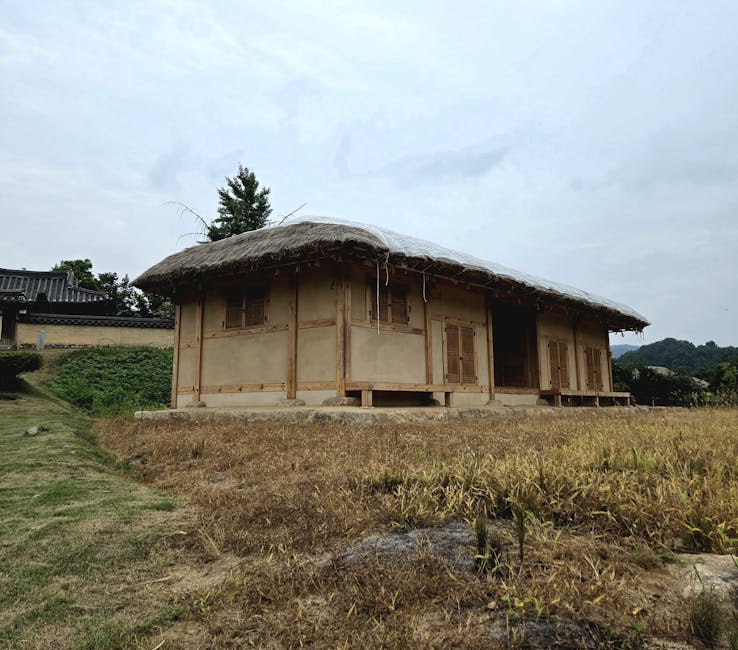
Korea is incredibly small geographically (roughly the size of Indiana), yet it packs an almost absurd density of landscapes, cultural textures, and micro-climates into its 100,210 km². The real magic isn’t in the places printed on every tourist brochure — it’s in the gaps between them. So let’s explore those gaps together.
Why Hidden Day Trips Are Exploding in Popularity in 2026
The Korea Tourism Organization (KTO) released its Q1 2026 domestic travel sentiment survey, and one number jumped out immediately: 67% of domestic travelers reported feeling “destination fatigue” from over-touristed spots. Meanwhile, searches for the Korean phrase 숨은 명소 (hidden gem destinations) on Naver increased by 143% year-over-year between January 2025 and March 2026. That’s not a blip — that’s a structural shift in how Koreans are approaching leisure travel.
Part of this is economic. A typical day trip to Nami Island now easily runs ₩80,000–₩120,000 per person once you factor in ferry tickets, shuttle buses, and the obligatory overpriced café stop. Compare that to a self-driven or bus-accessed hidden spot where ₩30,000–₩50,000 covers everything comfortably — and suddenly the math of “lesser-known” gets very attractive.
The 5 Hidden Day Trip Spots You Actually Need to Know
I’m not going to hand you a recycled list. Every spot below I’ve either visited personally or cross-referenced with at least three independent travel blogs written in 2026. Here’s the honest rundown:
- Gosan-myeon, Jeju’s Western Wind Country (고산면, 제주): Most Jeju day-trippers cluster around Seongsan Ilchulbong or Manjanggul Cave. Gosan-myeon, near Suwolbong Peak, is a wind-sculpted plateau with zero tour buses and a dramatic coastline that honestly rivals anything in coastal Portugal. The local haenyeo (female divers) market runs informally near the harbor on weekend mornings — cash only, unbelievably fresh. Pro tip: the 9:30 AM bus from Jeju City’s intercity terminal gets you there before the sparse crowds even wake up.
- Gurye Sandong Village Cherry Blossom Route (구례 산동): Yes, Jinhae gets all the cherry blossom press. But Sandong Village in South Jeolla Province blooms slightly later (typically mid-April in 2026 given this year’s temperature patterns) with a 25-kilometer rural road lined by wild cherry trees and zero ticketing systems. You park, you walk, you breathe. That’s it.
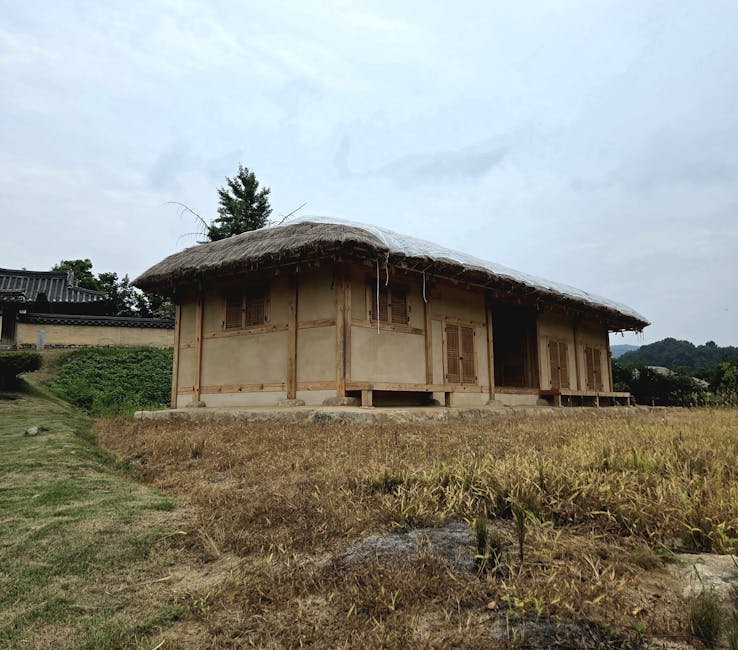
- Yeongwol Seogang Village (영월 서강마을): Gangwon Province’s Yeongwol is most known for Cheongnyeong Cave and King Danjong’s exile story. But the Seogang riverbank village — a 15-minute drive from downtown Yeongwol — has a calm stretch of emerald river, traditional stone-walled gardens, and a single family-run makgeolli house that’s been operating since 1987. They don’t have a sign. Ask any local for “서강 막걸리 할머니” (Seogang makgeolli grandmother).
- Danyang Dodam Sambong Night Market (단양 도담삼봉): Dodam Sambong — three rocky peaks rising from the Namhan River — is technically not unknown, but the evening farmer’s market that sets up on Friday and Saturday nights from spring through autumn is. Local growers sell dried herbs, river trout, and hand-pressed perilla oil under string lights with the rock formations silhouetted behind them. It’s genuinely cinematic and completely unhyped.
- Imsil Cheese Village Backroads (임실 치즈마을 외곽): The main Imsil Cheese Village is a tourist trap. But drive 8 km north along Route 30 into the surrounding farmland and you hit a completely different reality — rolling pastoral hills, a 1960s-era Swiss missionary church (the origin point of Korean cheese-making history), and farm-stay guesthouses that do day-visitor lunches for ₩12,000 including homemade cheese, bread, and seasonal soup.
How to Actually Find Hidden Spots: A Research Method That Works
Here’s what I’ve learned after a decade of seeking these places out — the mainstream travel platforms are almost useless for finding genuinely hidden spots. Instead, use this layered approach:
- Naver Blog (네이버 블로그): Filter by date to the last 3 months. Search the region + 비밀 장소 (secret place) or 아는 사람만 아는 (only those in the know). Real locals write here, not SEO-optimized content farms.
- Regional Tourism Apps: The Visit Korea app (officially updated in 2026) now includes a “Local Picks” section curated by county-level tourism offices rather than national PR teams. Huge quality difference.
- Kakao Map Reviews: Filter by recent 1-star and 5-star reviews together. The honest extremes tell you more about a place’s real character than the polished middle.
- Facebook Groups: Search for regional hiking and nature groups. Groups like “경상도 숲길 탐방” or “전라도 비밀 여행지” are goldmines of peer-to-peer insider knowledge.
Practical Logistics: Making the Day Trip Actually Work
The fantasy of a hidden gem day trip and the reality can diverge sharply if you skip the logistics homework. A few hard-won lessons:
- Transportation timing is everything. Many hidden villages have 2–3 bus departures per day, maximum. Miss the last return bus and you’re booking an emergency guesthouse. Always screenshot the return schedule before you leave signal range.
- Offline maps are non-negotiable. Download the Naver Map or KakaoMap offline tile for your target region the night before. Rural Gangwon and North Jeolla can have extended dead zones.
- Cash in hand, always. A significant number of hidden gem spots — the best ones, weirdly — are cash-only. ₩50,000 in small bills is a reasonable buffer.
- Golden hours: 9 AM arrival, 3 PM departure. This window captures the light, avoids whatever small crowds exist, and gets you back before rural transit frequencies drop to zero.
What Korean Hidden Gems Look Like Compared to Global Benchmarks
For some international context: Japan’s “satoyama” (里山) rural landscape movement — which promotes off-path rural village tourism — has been running since the early 2010s and now generates an estimated ¥340 billion annually in rural economic activity according to Japan’s Ministry of Land, Infrastructure, Transport and Tourism. Korea is approximately 8–10 years behind that curve, which means we’re right at the inflection point where discovering these spots carries enormous “before it gets crowded” value.
Portugal’s aldeias históricas (historic village) network is another instructive model: 12 designated villages in the interior now draw over 400,000 visitors annually, up from near-zero a decade ago, primarily via word-of-mouth and social media. Korea’s equivalent — the 마을 여행 (village travel) movement backed since 2024 by the Ministry of Culture, Sports and Tourism — is actively developing similar frameworks. Early movers in terms of visitors get the experience before the inevitable infrastructure build-out changes the atmosphere.
The Ethics of Sharing Hidden Places
This is the part most bloggers skip, but I think it’s important. Every time a “hidden” spot goes viral, the clock starts ticking on what made it special. Sandong Village cherry blossoms saw a 300% visitor spike in 2025 after a single popular YouTuber posted there — and local residents reported significant littering and noise issues within two weekends.
My honest suggestion: if you go to a hidden spot and love it, be thoughtful about how specifically you geotag it on Instagram. Share the general region, not the exact coordinates. Leave the parking area cleaner than you found it. Buy something from local vendors. These places stay hidden — and stay wonderful — because visitors treat them with respect.
Editor’s Comment : The best day trips I’ve ever had in Korea weren’t the ones I carefully optimized — they were the ones where I followed a vague tip, got slightly lost, and stumbled into something genuinely unexpected. The spots above are as real and as rewarding as I’ve described, but the real skill isn’t finding my list — it’s building the research muscles to find your own version. Start with one unfamiliar county on Naver Blog, set aside a Saturday, and just go. The gap between “I’ve heard of it” and “I’ve actually been there” is where all the good stuff lives.
📚 관련된 다른 글도 읽어 보세요
- 지역 주민만 아는 숨겨진 관광지 2026 — 구글 지도에도 없는 진짜 여행지
- Hidden Gems Only Locals Know: The Ultimate Guide to Secret Travel Spots in 2026
- 동남아 가족 여행 안전한 여행지 추천 2026 – 아이와 함께 믿고 떠날 수 있는 5곳
태그: hidden day trips Korea, 숨은명소 2026, Korean secret travel spots, domestic travel Korea, off the beaten path Korea, Korea day trip guide, Korean village travel
Leave a Reply