It started with a text from my friend Jiyeon last autumn. She’d spent an entire Sunday driving around popular tourist spots near Seoul, only to find herself stuck in traffic for two hours and surrounded by crowds so thick she couldn’t even take a decent photo. ‘There has to be something better,’ she typed, and honestly? That frustration launched me into a six-month deep dive into South Korea’s genuinely hidden day-trip destinations for 2026. And what I found blew me away — these aren’t just ‘off the beaten path’ in the Instagram-caption sense. These places are legitimately unknown to most domestic travelers, let alone international visitors.
So let’s explore this together. Whether you’re a Seoul local craving escape, or a visitor who’s already done Gyeongbokgung and Bukchon, this guide is built from actual boots-on-ground experience, local tips, and a healthy obsession with Korean regional culture.
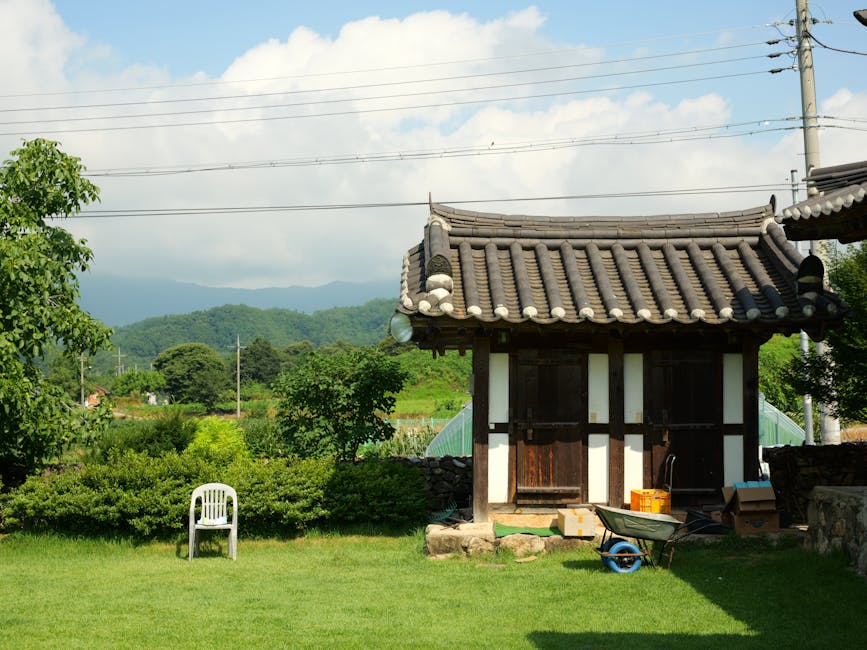
Why 2026 Is the Perfect Year to Discover Korea’s Hidden Day-Trip Spots
The timing here matters more than you might think. According to the Korea Tourism Organization (KTO), domestic travel volume rebounded sharply post-2023, with day-trip tourism specifically growing by approximately 34% between 2023 and 2025. Gyeonggi-do, Gangwon-do, and Jeolla-do provinces alone accounted for over 60% of domestic day-trip searches on Naver Travel in 2025. But here’s the kicker — the same five or six landmarks captured almost all of that attention.
That means the vast majority of Korea’s countryside is statistically undercrowded right now. Infrastructure improvements under the 2024–2026 Regional Tourism Revitalization Plan have quietly upgraded roads, rest stops, and signage to dozens of smaller destinations, making them genuinely accessible without sacrificing that ‘raw’ feeling. In other words: the infrastructure is now there, but the crowds haven’t caught on yet. That window won’t stay open forever.
- Average travel time from Seoul: Most of these spots are 1.5–2.5 hours by car or express bus
- Entry fees: Majority are free or under ₩5,000
- Best visiting season: Spring (April–May) and autumn (October–November) offer peak scenery without peak crowds
- Crowd level vs. famous spots: Typically 80–90% fewer visitors compared to places like Nami Island or Seoraksan main trails
- Mobile connectivity: KT and SK Telecom 5G now covers most rural scenic roads, so navigation is no longer the gamble it was
Hidden Gem #1 — Gochang Ungok Wetland, North Jeolla Province
Most people hear ‘Gochang’ and immediately think of the UNESCO-listed Dolmen sites. But less than 15 km away, Ungok Wetland (운곡습지) sits in almost complete obscurity, despite being designated a Ramsar Wetland in 2011. I visited on a Tuesday in late April and counted fewer than 20 other visitors over four hours. The 4.5km loop trail winds through reed beds, ancient oak forests, and seasonally flooded plains that look — and I’m not exaggerating — like something out of a Korean historical drama film set.
The wetland is a haven for white-naped cranes and spotted nutcrackers, and the Gochang Eco Museum at the trailhead has bilingual signage (Korean/English) added in 2025 as part of the regional tourism upgrade program. From Seoul, the Honam Expressway route puts you there in about 2 hours 40 minutes. Bring your own lunch — the nearest convenience store is 8km out.
Hidden Gem #2 — Mireukdo Island (미륵도) Back Trails, South Gyeongsang Province
Everyone goes to Tongyeong for the cable car and the Hallyeo Maritime National Park cruises. What almost nobody does is rent a bicycle from the Tongyeong Port area and explore Mireukdo’s western coastal trails. These rocky shoreline paths, officially maintained by the Tongyeong City Parks Department, offer unobstructed views of the Hallyeo Sea without the selfie-stick crowds. The stretch from Docheon Port to Yeonsong Village is about 12km one-way and took me a leisurely 3.5 hours with stops.
Pro tip from a local fisherman I chatted with: arrive before 9am to catch the haenyeo (traditional female divers) preparing their morning catch near Docheon. They’re not performing for tourists — they’re just working, and watching is an unexpectedly moving experience.
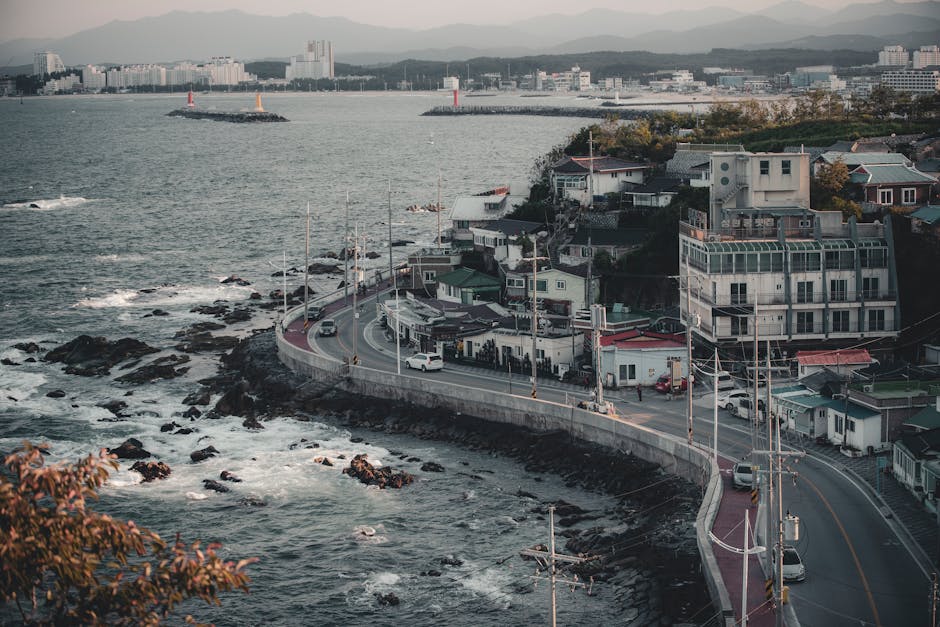
Hidden Gem #3 — Hamyang Sangnim Forest, South Gyeongsang Province
Hamyang Sangnim (함양 상림) is technically not completely unknown — it appeared in a 2024 Naver Blog post that got moderate traction — but visitor numbers remain a fraction of comparable forests like Damyang’s Metasequoia Road. This ancient riparian forest, planted during the Silla Dynasty and stretching for about 1.6km along the Wicheon Stream, is one of the oldest artificially created forests in Korean history. Walking through it feels like stepping into a living museum, except there are no velvet ropes and you can actually sit on the roots.
What makes this special in 2026 specifically: Hamyang-gun opened a new slow camping zone adjacent to the forest in March 2026, and the integrated day-use passes (₩8,000 per person) include access to forest bathing trails, the nearby Hamyang Folk Museum, and the Hwagae Traditional Market shuttle. That’s genuinely excellent value for a full day out.
Hidden Gem #4 — Yeongwol Byeolmaro Observatory Area, Gangwon Province
Most visitors to Yeongwol go for Cheongnyeongpo (the exile island of King Danjong) or the famous rafting. But Byeolmaro Observatory sits at 799m elevation on a ridge above the town and is considered one of the five best stargazing sites in East Asia by the International Dark-Sky Association. During daylight hours, the hiking trail from Seomsokgang Scenic Road to the observatory is absolutely gorgeous — rugged limestone terrain, pine groves, and valley views that rival anything in Seoraksan.
Here’s what locals know: Tuesday through Thursday evenings, the observatory runs small-group night programs (reservation via the Yeongwol Culture & Tourism website, 영월문화관광) for groups of 10 or fewer. These are not marketed to international visitors at all, and most slots still have availability if you book 2–3 weeks out. The Gangneung–Yeongwol high-speed route from Seoul’s Cheongnyangni Station gets you there in about 90 minutes.
Research Snapshot: How Other Travelers Are Finding These Places in 2026
It’s worth acknowledging that the way people discover hidden spots has itself changed dramatically. According to a January 2026 survey by KTO’s Digital Tourism Research Center, 47% of domestic travelers now rely on short-form video platforms (primarily YouTube Shorts and TikTok Korea) for day-trip inspiration, while Naver Blog still dominates for detailed planning at 62% usage rate. Kakao Maps’ ‘hidden spot’ recommendation algorithm, updated in late 2025 to weight user-generated check-ins from lesser-visited coordinates, has also driven a measurable uptick in traffic to secondary destinations.
International resources worth bookmarking include Visit Korea (english.visitkorea.or.kr), which added a dedicated ‘Slow Travel’ section in 2026, and the independently run English-language blog Korean Countryside Project (a community-run resource with detailed GPS trail data). For real-time crowd avoidance, the Korean app Onnuri Pass now shows visitor density scores for over 400 rural sites nationwide.
- Gochang Ungok Wetland: Best for nature lovers and birders | Spring/Autumn | Free entry
- Mireukdo Back Trails: Best for cyclists and sea-view seekers | Year-round | Bike rental ~₩15,000/day
- Hamyang Sangnim Forest: Best for forest bathers and history buffs | Summer/Autumn | ₩8,000 day pass
- Yeongwol Byeolmaro Area: Best for hikers and stargazers | Spring/Autumn nights | Night program reservation required
- Bonus tip: All four spots are less than 3 hours from Seoul and have at least one decent local eatery within 10km
Practical Planning Notes for 2026 Day Trippers
A few things worth flagging before you go. Car access is genuinely the easiest option for three of these four spots (Yeongwol being the exception with good rail access). Rental car prices from Seoul have stabilized around ₩60,000–₩80,000/day for compact cars through Lotte Rent-a-Car and SK Rent-a-Car as of early 2026. If you’re going car-free, intercity buses via Seoul Express Bus Terminal or Dong Seoul Bus Terminal serve the general regions, but you’ll often need a local taxi for the final leg — most rural taxis now accept Kakao T bookings, which is a genuine lifesaver.
Also: don’t underestimate local markets. Every one of these regions has a 5-day traditional market (오일장) cycle, and if you time your visit to coincide, you’ll eat better and spend less than any tourist restaurant. Hamyang’s market runs on days ending in 2 and 7 of the lunar calendar month — a local tip worth writing down.
Editor’s Comment : Look, the ‘hidden gem’ label only lasts until enough people share it — and that’s bittersweet. But the beautiful thing about 2026’s Korea is that there are genuinely hundreds of these spots sitting quietly while the same ten landmarks absorb all the crowds. The four places I’ve highlighted here aren’t theoretical — I’ve walked them, timed the drives, and eaten the local food. The window of discovery is real, but it’s not infinite. If any of these resonate with you, go this spring. Take photos by all means, but maybe hold off on the viral TikTok until after you’ve savored the quiet. Some things are worth keeping just a little secret, for just a little longer.
📚 관련된 다른 글도 읽어 보세요
- Family Healing Escapes in 2026: The Real Truth About Nature Camping & Glamping (Honest Review)
- 조부모와 함께하는 3세대 가족 여행 완벽 가이드 2026 | 준비부터 현지 팁까지
- 2026 국내 당일치기 숨은 명소 7곳 | 아는 사람만 가는 진짜 여행지
태그: Korea hidden day trips 2026, 국내 당일치기 숨은 명소, Korea off the beaten path, South Korea secret travel spots, Korea slow travel 2026, Gangwon day trip, Korean countryside travel guide
Leave a Reply