Last summer, my sister packed up her three kids, a cooler full of snacks, and approximately 47 items she definitely didn’t need — and headed to a glamping site about two hours outside the city. She came back glowing. Not just the kids, but her. Bags under her eyes? Gone. That tight, stressed jaw she’d been carrying for months? Relaxed. It made me think seriously: is there something genuinely restorative about swapping concrete for canvas and stars?
If you’ve been searching for the right family healing travel destination — especially one that blends nature immersion with just enough comfort — let’s think through this together. Because “camping” and “glamping” are not one-size-fits-all solutions, and the difference between a magical family memory and a miserable soggy weekend often comes down to a few key decisions.
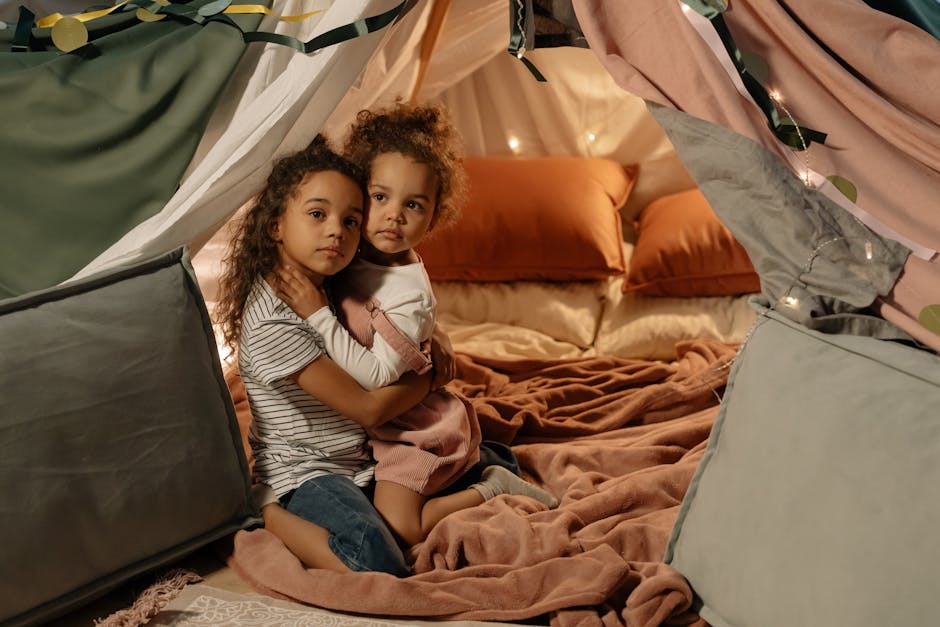
Why Nature-Based Travel Actually Works for Family Healing
This isn’t just vibes — there’s real data behind the appeal. A 2026 study from the Global Wellness Institute noted that nature-based tourism bookings have surged by over 38% compared to pre-pandemic baselines, with family group bookings leading the charge. The reason? Researchers point to what’s called “attention restoration theory” — the idea that natural environments give our prefrontal cortex (the part of the brain managing stress, decision-making, and focus) a genuine break. For kids especially, unstructured outdoor time has been linked to improved mood regulation and reduced anxiety markers.
But here’s the realistic part: healing doesn’t happen automatically just because you’re near trees. It depends heavily on how you structure the experience — and that’s where the camping vs. glamping debate becomes really interesting.
Camping vs. Glamping: A Practical Family Breakdown
Let’s be honest about what each option actually delivers:
- Traditional Camping (tent-based): Lower cost, higher immersion, but significantly higher preparation burden. With young kids, the logistics of sleeping pads, bug spray, and middle-of-the-night bathroom runs can actually create stress rather than dissolve it.
- Glamping (glamorous camping): Pre-set tents or cabins with real beds, often electricity and heating, sometimes a private deck. The healing benefits of nature WITHOUT sacrificing sleep quality. Average cost in 2026 ranges from $150–$400/night depending on location and amenities.
- Hybrid Camp Resorts: Sites that offer both options — letting families try a cabin night and a tent night. Great for first-timers testing their comfort threshold.
- Car Camping: A brilliant middle ground. You sleep in or beside your vehicle, have access to all your gear, and can retreat to comfort quickly. Underrated for families with toddlers.
Real Destinations Worth Considering in 2026
Let’s look at specific examples that have earned genuine family praise this year:
🇺🇸 Domestic (USA) — Under Canvas, Grand Teton: Located near Jackson Hole, Wyoming, this glamping operator offers safari-style tents with wood-burning stoves and genuine stargazing. Families consistently report the “digital detox” effect kicks in by day two. Kids engage more with each other when screens disappear and elk wander nearby.
🇰🇷 Korea — Gapyeong & Yangpyeong Glamping Valleys: These are the origins of the Korean glamping boom and still deliver beautifully. Sites along the Bukhan River combine mountain views with surprisingly luxurious setups — think fairy lights, private BBQ grills, and outdoor bathtubs. Perfect for families wanting a short escape from Seoul without a long travel day.
🇯🇵 Japan — FUJI Glamping by Yuga (Yamanashi Prefecture): With Mt. Fuji as your backdrop, this site offers dome-style glamping tents with heated flooring — a game-changer for spring and autumn family visits. The Japanese approach to nature (“shinrin-yoku” or forest bathing) is deeply embedded in the programming here, making it genuinely therapeutic rather than just scenic.
🇬🇧 UK — Feather Down Farms, Multiple Locations: For European families, these farm-based canvas tent experiences blend animal interaction (kids feeding chickens!) with countryside calm. Research shows that animal-assisted nature experiences further reduce cortisol levels in children — and parents.
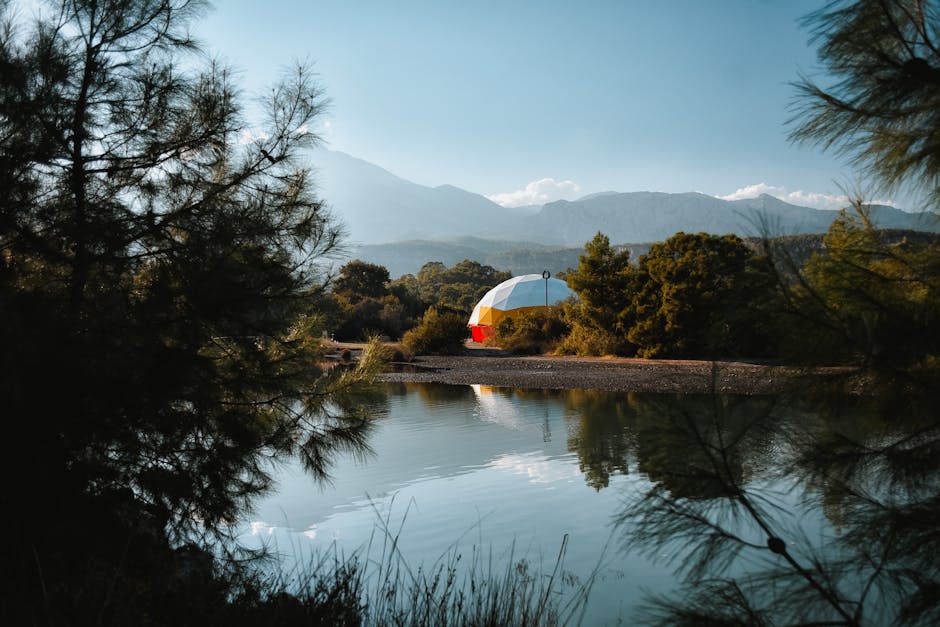
What Actually Makes or Breaks the Experience
After reviewing dozens of family glamping reviews from 2026, the patterns are clear. Here’s what genuinely matters:
- Proximity to water: Streams, lakes, or rivers dramatically increase children’s engagement and reduce parental supervision stress. Kids will self-occupy for hours near water.
- Quality of sleeping setup: If parents sleep badly, no amount of nature heals anything. Prioritize sites with real mattresses, not just foam pads.
- Structured-but-optional activities: The best sites offer archery, nature walks, or fire-building classes — but don’t mandate them. Freedom is the point.
- Cell signal situation: Counterintuitively, partial signal (enough for emergencies but not enough for endless scrolling) produces better outcomes than both full connectivity and total blackout.
- Arrival time: Book sites that allow arrival before 3 PM. Arriving after dark with children is a reliable way to start the trip on a frazzled note.
Realistic Alternatives If Full Camping Isn’t Right for Your Family
Not every family is ready for nature immersion — and that’s completely valid. Here are tiered alternatives that still deliver healing benefits:
Option A — Nature-Adjacent Hotels: Mountain resort hotels or lakeside lodges give you proximity to nature without any of the camping logistics. Many in 2026 offer “forest programming” — guided hikes, outdoor yoga, foraging workshops — as part of their package.
Option B — Day Trip Immersion: If overnight travel is too complicated (infants, elderly family members, budget constraints), structured day trips to national parks or botanical gardens, combined with a picnic and phone-free time, can deliver meaningful restoration. Studies show even 20 minutes in green space measurably lowers stress hormones.
Option C — Backyard Camping: Genuinely underrated. A tent in your own garden, a campfire (or fire pit), some hot chocolate, and a sky full of stars. No gear logistics, no driving, no booking fees. Especially effective for first-time campers who want to test whether their family actually enjoys it before committing to a full trip.
The honest takeaway? The “healing” part of a family nature escape comes from disconnection, presence, and shared novelty — not from any specific price point or destination prestige. A $40 campsite where your kids catch fireflies can outperform a $500 glamping dome if the conditions are right and the phones stay in the bag.
Think about what your family actually needs right now. Is it luxury and rest? Go glamping. Is it adventure and challenge? Traditional camping. Is it affordable quality time? Car camping or backyard nights might surprise you.
Editor’s Comment : I genuinely believe that the best family travel decision in 2026 isn’t about finding the most Instagrammable destination — it’s about finding the environment where your specific family can finally exhale together. Start smaller than you think you need to, stay longer than feels comfortable with screens, and watch what happens on day two. That’s usually when the magic shows up.
📚 관련된 다른 글도 읽어 보세요
- Traveling Abroad with Toddlers in 2026: The Ultimate Packing List & Stress-Free Tips Every Parent Needs
- 지역 주민만 아는 숨겨진 관광지 2026 — 구글 지도에도 없는 진짜 여행지
- 유아 동반 해외여행 준비물 완벽 체크리스트 + 2026년 최신 꿀팁 총정리
태그: [‘family glamping 2026’, ‘nature camping with kids’, ‘family healing travel’, ‘glamping review’, ‘outdoor family vacation’, ‘stress relief travel’, ‘camping vs glamping’]
Leave a Reply