A few months ago, a friend of mine told me about a trip she took with her 72-year-old mother and her two kids — ages 8 and 11 — to Jeju Island. She was fully prepared for chaos. Instead, she got something she hadn’t expected: her mom teaching her daughter how to make haenyeo-style seaweed wraps on the beach while her son peppered his grandmother with questions about what Jeju looked like “in the old days.” She said it was the most connected she’d ever felt across three generations in a single afternoon.
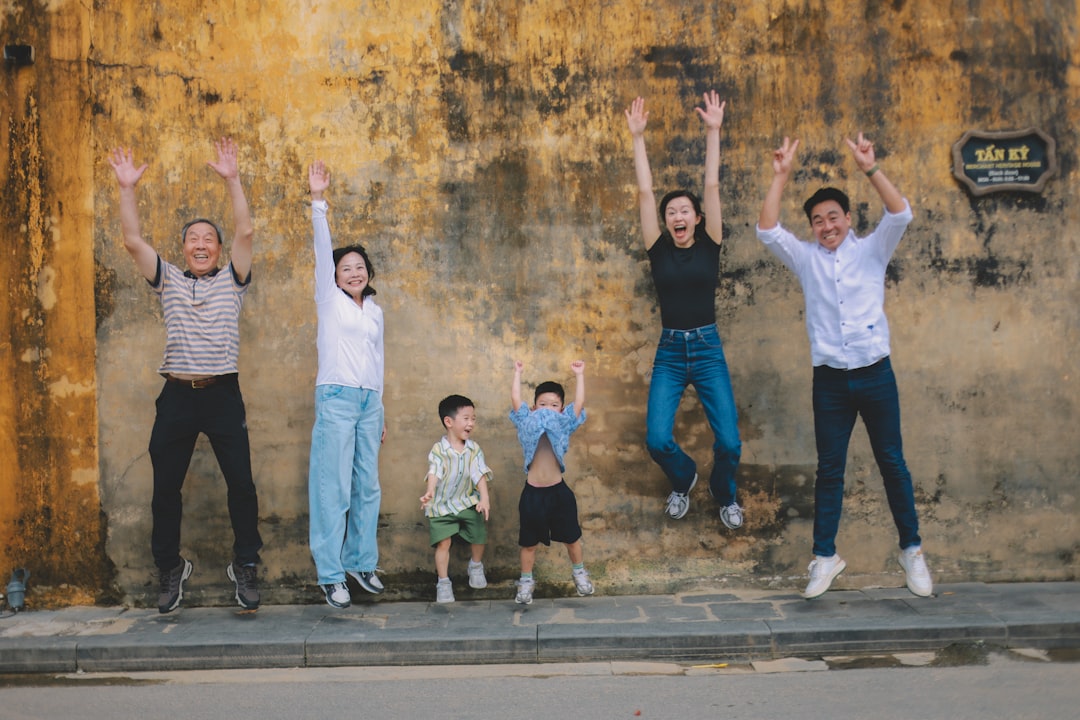
That’s the magic of multigenerational travel — and in 2026, it’s officially having a major moment. Travel planners, hospitality brands, and family therapists alike are waking up to the fact that grandparent-grandchild trips aren’t just sentimental detours. They’re powerful experiences that reshape family bonds in ways that Sunday dinners rarely can.
So let’s think through this together — what makes these trips work, what can go wrong, and how do you actually plan one that everyone genuinely enjoys?
Why Multigenerational Travel Is Surging in 2026
Let’s start with the numbers, because they’re surprisingly compelling. According to the 2026 Global Family Travel Report by MMGY Travel Intelligence, multigenerational trips now account for approximately 38% of all leisure travel bookings in North America and East Asia — up from around 27% in 2021. In South Korea specifically, the Ministry of Culture, Sports and Tourism reported a 44% increase in “family package” bookings that include participants aged 60+ and under 12 within the same group.
Why the spike? A few converging factors:
- Post-pandemic relationship repair: Families that spent years in reduced contact are actively investing in shared experiences to rebuild closeness.
- Grandparent financial contribution: Many grandparents in 2026 are healthier and wealthier longer — and many genuinely want to fund meaningful memories rather than leave purely financial inheritances.
- Screen fatigue across all ages: Kids are increasingly craving real-world adventure, and grandparents offer a living bridge to slower, more sensory ways of experiencing places.
- Therapeutic recognition: Family therapists now regularly recommend structured travel as a bonding tool, particularly for intergenerational emotional repair.
The Generational Gap Challenge: Let’s Be Honest About It
Here’s where I want to be real with you, because sugarcoating this doesn’t help anyone plan a successful trip. Grandparents and grandchildren often have very different physical needs, attention spans, sleep schedules, dietary preferences, and definitions of “fun.”
A 70-year-old with mild arthritis is not going to enthusiastically hike 14 kilometers through a jungle trail, no matter how much they love their grandkids. And a 9-year-old is unlikely to sit contentedly through a three-hour museum tour focused on textile history, no matter how culturally enriching it might be.
The key insight — and this is what good multigenerational travel planning is actually about — is designing parallel-but-overlapping itineraries. You’re not trying to find one activity that thrills everyone equally. You’re building a schedule with natural overlap points (meals, sunsets, low-intensity attractions) while allowing each generation some age-appropriate breathing room.
Real-World Examples That Nail the Formula
Japan’s “Slow Travel” Packages for Mixed-Age Groups: Japan has emerged as a world leader in multigenerational tourism infrastructure in 2026. JR East’s “Family Discovery Pass” now includes accessibility-coded route maps that flag which stations and temples have ramp access, elevator availability, and rest zones — crucial for grandparents. Meanwhile, cultural workshops like wagashi (traditional sweet-making) and origami sessions in Kyoto are structured in tiers, so a grandparent can do the simpler fold while a grandchild attempts the complex crane — both succeeding, both sharing a finished product.
Korea’s “Hanbang Healing + Play” Resorts: Several resorts in the Jirisan region have launched dual-zone retreats in 2026 where grandparents access herbal spa treatments and meditation walks while grandchildren participate in supervised nature craft programs. They reconvene for communal meals featuring both traditional medicinal dishes and child-friendly adaptations. It’s thoughtfully designed rather than accidentally inclusive.
Portugal’s Alentejo Region: Internationally, Portugal has positioned the Alentejo wine region as a multigenerational destination — flat terrain (easier for elderly visitors), working farms with hands-on harvest activities for children, and wine tastings paired with grape juice alternatives. Intergenerational cooking classes where grandparents and grandkids make migas together have become particularly popular among European and American traveling families.
Practical Planning: What Actually Makes These Trips Work
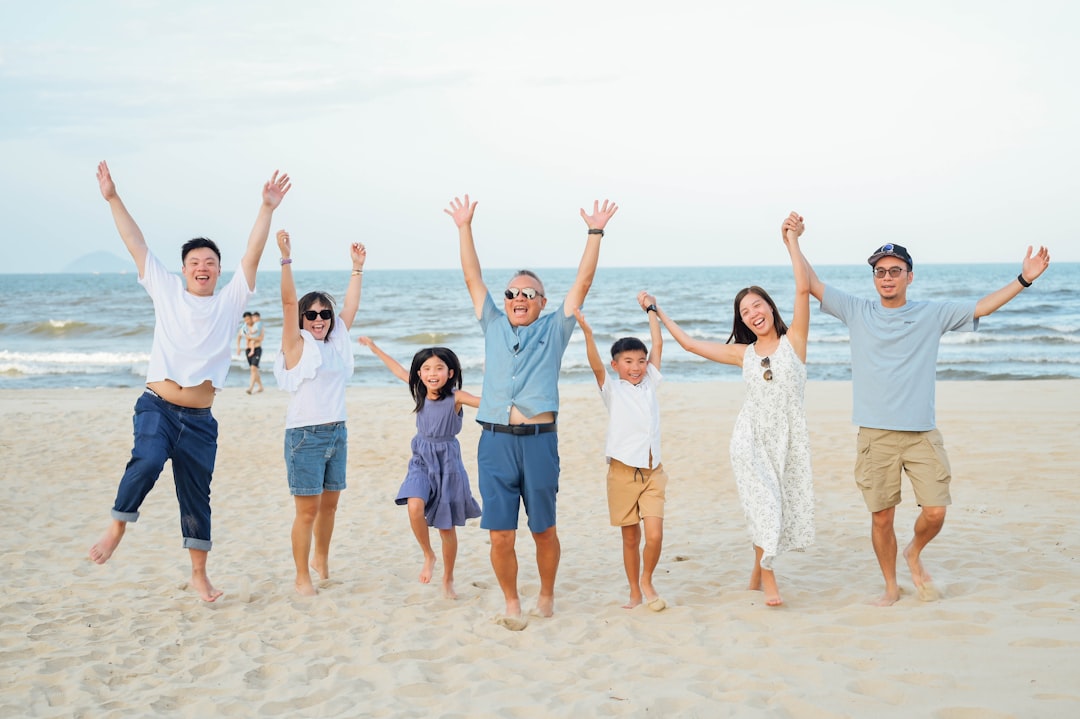
- Pace over packing: Resist the urge to fill every hour. Two meaningful experiences per day is almost always better than five rushed ones. Grandparents need rest time; grandchildren actually absorb experiences more deeply when they’re not overstimulated.
- Pre-trip health check-in: Before booking anything, have an honest conversation with grandparents about mobility limits, dietary restrictions, and medication needs. This isn’t pessimistic — it’s respectful and prevents mid-trip crises.
- Choose accommodation wisely: Multi-room suites or adjacent rooms in family-friendly hotels allow everyone to have privacy while staying connected. Look for properties that explicitly advertise multigenerational amenities in 2026 — more hotels now do.
- Give grandchildren a “job”: Kids feel pride and connection when they’re responsible for something — carrying the day pack, choosing the afternoon snack spot, documenting the trip in a travel journal. It also reduces the energy drain on grandparents who might otherwise feel pressure to constantly entertain.
- Build in a shared ritual: One consistent daily ritual — morning tea together, a bedtime story, a walk after dinner — becomes the emotional anchor of the entire trip. These are often what everyone remembers most vividly.
- Travel insurance is non-negotiable: Cover both the elderly traveler (medical coverage is critical) and trip cancellation for the whole group. This isn’t optional in 2026 given how unpredictable health situations can be.
- Consider a professional multigenerational travel consultant: Yes, this is now a real specialty. Agencies like Grandtravel (US-based) and similar boutique operators in Korea and Japan curate trips specifically around mixed-age group dynamics — often worth every penny.
Realistic Alternatives for Different Situations
Not every family can do a two-week international trip, and that’s completely fine. Here’s how to think about alternatives that still deliver the core benefit — which is genuine shared experience and memory-making:
If budget is limited: A domestic road trip to a region neither generation knows well levels the playing field beautifully. No one is the expert, so everyone explores together. Korea’s coastal towns along the South Sea, or for international readers, a slow drive through lesser-known national parks, work wonderfully.
If grandparent health is uncertain: Consider a “stay-cation travel experience” — hire a local cultural guide to lead the family on a day-long neighborhood history walk or food tour in your own city. The structure and novelty matter more than the distance.
If generations live far apart: Plan a “meet-in-the-middle” trip to a neutral destination that neither generation has a home advantage in. This naturally equalizes the dynamic and creates genuinely fresh experiences for everyone.
The point is — the physical destination is almost secondary to the intentionality of the experience. A three-day trip planned thoughtfully will outperform a two-week trip thrown together.
Editor’s Comment : What strikes me most about multigenerational travel in 2026 is how it quietly does something that modern family life often struggles to do — it removes everyone from their default roles. Grandma isn’t just “grandma at the holiday table.” She’s a fellow traveler, a storyteller, a person with a past that suddenly becomes vivid and interesting when geography gives it context. And grandchildren stop being “the kids to be managed” — they become curious little companions navigating the unfamiliar alongside someone who has navigated a great deal of life. If you’re on the fence about planning one of these trips, my honest advice is: start smaller than you think you need to, and just start. The trip doesn’t have to be perfect. It just has to happen.
📚 관련된 다른 글도 읽어 보세요
- 2026 소도시 여행 트렌드: 붐비는 관광지 대신 ‘나만의 로컬’을 찾는 사람들
- Hidden Gems of Korea: The Ultimate Local Small-Town Travel Guide for 2026
- 2026년 가족 여행 예산 절약 비법: 항공권·숙소·패키지 완전 정복 가이드
태그: [‘multigenerational travel 2026’, ‘grandparents and grandchildren travel’, ‘family travel planning’, ‘intergenerational bonding trip’, ‘grandparent grandchild vacation ideas’, ‘family travel tips’, ‘slow travel family’]
Leave a Reply