Picture this: You’re standing at the airport check-in counter in 2026, sweating through your shirt, while your five-year-old is asking for the snacks that are buried somewhere in a suitcase that now weighs 32 kilograms. Your partner is frantically searching for the kid’s passport — which, spoiler alert, is in the very first zipper pocket you both checked three times. Sound familiar? Yeah. We’ve all been there.
Family travel is one of the most rewarding experiences you can give your kids, but the packing process? That part can quietly unravel your sanity before the trip even begins. So let’s think through this together — not just a generic list, but a smart, logically organized checklist built around how families actually travel in 2026.
Why Most Packing Lists Fail Families
Here’s the thing most travel blogs won’t tell you: the average family of four brings roughly 40% more items than they actually use on a typical 7-day trip, according to travel behavior studies from major airlines like Emirates and Delta reviewed in early 2026. That’s nearly half your luggage sitting untouched in a hotel room. The problem isn’t a lack of preparation — it’s over-preparation without prioritization.
Families tend to pack out of anxiety rather than logic. “What if we need it?” becomes the silent motto that results in three extra pairs of shoes per child and an entire pharmacy worth of medication for a beach trip to Bali. Let’s fix that.
The Tiered Packing System: A Smarter Framework
Instead of one overwhelming list, think in three tiers:
- Tier 1 — Non-Negotiables: Documents, medication, phone chargers, one change of clothes per person in your carry-on. These never get cut.
- Tier 2 — High-Value Adds: Items that dramatically improve comfort or safety but have some alternatives. Think: travel stroller, portable white noise machine for babies, a small first aid kit.
- Tier 3 — Nice-to-Haves: These get packed last and are the first to be removed if you’re over the weight limit. Beach toys, extra books, that travel board game you’ve owned for four years and never used on a trip.
Documents & Digital Essentials
In 2026, most countries now support digital passport verification at border control, but printed backups are still strongly recommended for families with children under 12, especially in Southeast Asia and parts of Eastern Europe where systems vary. Here’s your document checklist:
- Passports (valid for at least 6 months beyond your return date)
- Visas or e-visa confirmation printouts
- Travel insurance cards and policy number
- Hotel and flight booking confirmations (both digital and printed)
- Emergency contact card for each child (laminated if possible)
- Healthcare cards or travel medical documentation
Health, Safety & Kid-Specific Gear
Pediatric travel medicine experts at the American Academy of Pediatrics updated their family travel guidelines in early 2026 to emphasize that destination-specific preparation matters far more than volume of supplies. A mountain trip to the Swiss Alps demands entirely different preparation than a resort stay in Thailand.
- Child-safe sunscreen (SPF 50+ recommended for kids under 10)
- Motion sickness remedies (consult your pediatrician for age-appropriate options)
- Any prescription medications with a doctor’s note — especially important post-2025 as customs screening has tightened in many countries
- Portable thermometer
- Electrolyte sachets for hydration
- Small wound care kit: bandages, antiseptic wipes, tweezers
- Insect repellent appropriate for children’s skin
Clothing: The Rule of 3+1
Families in countries like Japan and South Korea — who are statistically among the most frequent family travelers in Asia — follow what travel stylists call the Rule of 3+1: pack three full outfits per person, plus one extra “just in case” outfit, and plan to do laundry every 4–5 days. Nearly every hotel, Airbnb, and ryokan in 2026 offers coin laundry or laundry service, and most have quick-dry options.
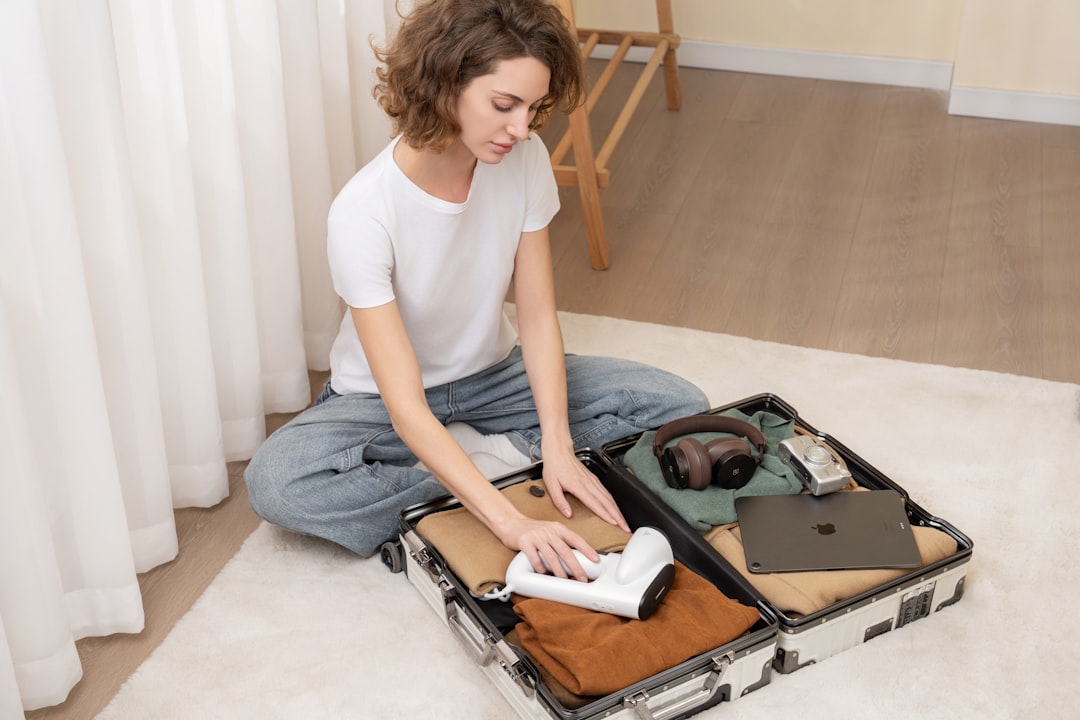
This approach cuts clothing weight by nearly 30–35% compared to packing a fresh outfit for every single day. For kids specifically, rolling clothes (rather than folding) and using packing cubes — color-coded per child — is a game-changer for staying organized mid-trip.
Entertainment & Comfort for Long Hauls
Australian family travel consultancy Little Wanderers Co. published a 2026 survey showing that screen time tools remain the #1 most valued in-flight item for families with children aged 3–10, followed closely by noise-canceling headphones sized for kids. Here’s a practical entertainment kit:
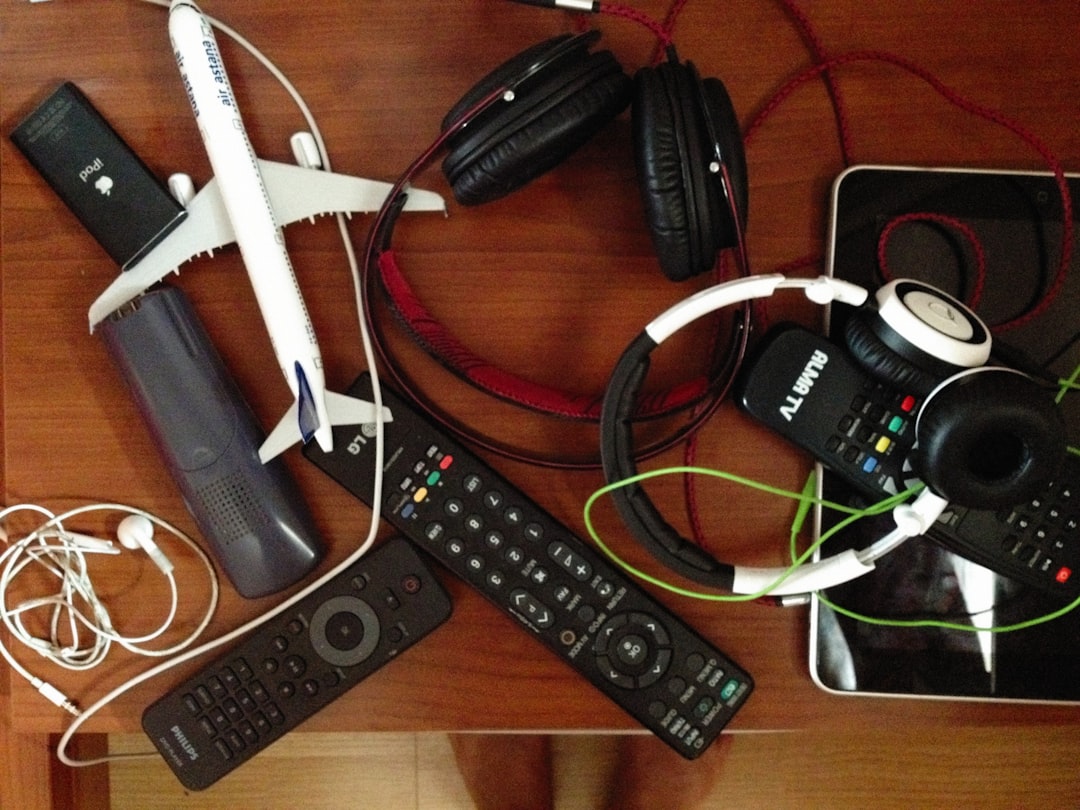
- Tablet pre-loaded with offline content (Netflix downloads, educational apps)
- Kids’ headphones (volume-limited models are worth the investment)
- A small sensory or fidget toy for toddlers
- Compact coloring book or activity pad
- Healthy, non-messy snacks: granola bars, dried fruit, crackers
- Reusable water bottles — most major airports in 2026 have hydration stations post-security
Realistic Alternatives When You’re Traveling Light or On a Budget
Not every family is flying business class with generous baggage allowances. If you’re budget-traveling or taking low-cost carriers — which, let’s be honest, have become even stricter with carry-on policies in 2026 — here’s how to adapt:
- Instead of a travel stroller: Rent one at your destination. Services like BabyQuip (now operating in over 60 countries) and local rental options in tourist-heavy cities make this increasingly accessible.
- Instead of packing a full pharmacy: Research the nearest pharmacy or clinic at your destination ahead of time. Most common medications are globally available, and over-packing medicine often causes customs delays.
- Instead of printed entertainment: Download everything digitally before departure. Books, movies, educational games — a single tablet can replace a bag of physical items.
- Instead of packing “just in case” outfits: Know the nearest laundromat or use hotel laundry. It’s cheaper than checked bag fees on most budget routes.
The truth is, the families who have the most enjoyable trips are rarely the ones who packed the most. They’re the ones who packed the most thoughtfully.
Editor’s Comment : Family travel in 2026 is genuinely more accessible and better-supported than ever before — but the packing anxiety hasn’t gone anywhere. The best shift you can make isn’t buying better gear; it’s changing how you think about what you actually need. Start with your Tier 1 non-negotiables, build outward, and leave room in that suitcase for the things you’ll inevitably pick up along the way — a souvenir, a local snack, a memory in physical form. That empty space? That’s not wasted room. That’s intentional joy.
📚 관련된 다른 글도 읽어 보세요
- 2026 여름 방학 가족 여행 패키지 가성비 추천 – 예산별 최고의 선택지 총정리
- 지역 주민만 아는 숨겨진 카페 맛집 찾는 법 2026 | 진짜 로컬 카페 발굴 가이드
- 초등학생 자녀와 함께하는 역사 문화 체험 여행지 추천 2026 — 아이가 먼저 가자고 하는 곳만 골랐어요
태그: [‘family travel packing list 2026’, ‘family vacation checklist’, ‘travel with kids essentials’, ‘packing tips for families’, ‘what to pack for family trips’, ‘travel organization for families’, ‘kids travel gear’]
Leave a Reply