Picture this: It’s a lazy Tuesday morning in 2026, and instead of elbowing your way through another overcrowded tourist hotspot, you’re sipping locally brewed tea in a centuries-old teahouse that barely appears on Google Maps. The owner — a third-generation artisan — is showing you how to hand-press traditional paper. There are maybe four other visitors in the entire town. This is the magic of small-town travel, and honestly? It’s become one of the most talked-about travel philosophies of our time.
With overtourism squeezing the life out of major destinations worldwide, savvy travelers in 2026 are actively seeking out the overlooked, the underrated, and the wonderfully weird corners of their own countries and beyond. Let’s think through this together — because finding these hidden gems isn’t just about luck. There’s actually a smart framework behind it.
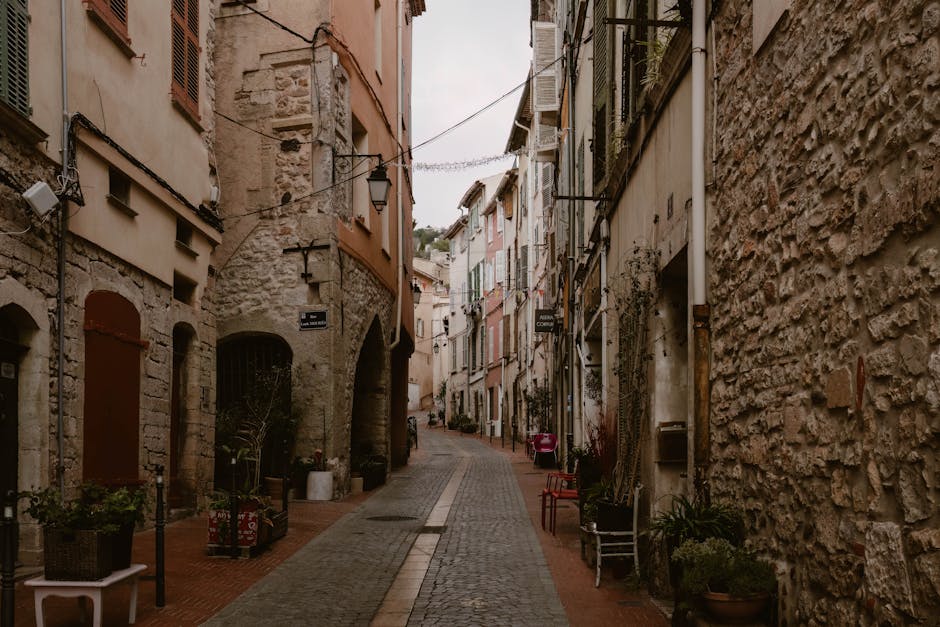
Why Small-Town Travel Is Exploding in 2026
The numbers tell a compelling story. According to travel trend reports from early 2026, searches for “off-the-beaten-path” destinations have surged by roughly 63% compared to three years ago. Meanwhile, visitor satisfaction scores — measured across multiple global travel platforms — consistently rate small-town experiences 18–22% higher than big-city tourism in categories like “authenticity,” “value for money,” and “local connection.”
Here’s the logical reason behind that: small towns haven’t had to commodify their culture yet. The food is still cooked the way grandma intended. The festivals haven’t been repackaged for Instagram. And crucially, your tourism dollars go directly into local economies rather than disappearing into international hotel chains.
The Hidden Gem Framework: How to Actually Find Them
Let’s be practical. “Hidden gem” doesn’t mean impossible to find — it means under-visited relative to its worth. Here’s how I think through it:
- The 2-Hour Rule: Look at towns within a 1.5–2 hour radius of a major city. They’re accessible but rarely on mainstream itineraries. Think of them as the “supporting cast” cities that never got their spotlight moment.
- Check UNESCO Tentative Lists: Sites under consideration for UNESCO status are often extraordinary but not yet overrun. In 2026, there are hundreds of these globally — all worth your attention before the crowds arrive.
- Follow Local Food Trails: Regional food specialties are almost always anchored in specific small towns. If a dish is famous, trace it back to its origin. That town is usually worth the detour.
- Look at Historical Railway Maps: Towns that were once major rail stops but lost their rail connection often have preserved architecture and culture, yet significantly fewer tourists.
- Talk to Locals in Big Cities: Ask hotel staff, taxi drivers, or market vendors where they go on weekends. This insider intelligence is worth more than any travel blog (present company included).
Real-World Examples: Small Towns That Deliver Big Experiences
Let’s ground this in reality with some specific examples from around the world that are generating quiet buzz in 2026’s travel community:
Gyeongju, South Korea (but the surrounding villages, not the city center): While Gyeongju itself has grown more popular, the smaller villages within Gyeongju county — particularly around the Namsan Mountain foothills — remain almost entirely tourist-free. You’ll find Buddhist temple ruins, stone-carved Buddhas half-reclaimed by moss, and family-run hanok guesthouses where breakfast is a masterpiece of banchan side dishes. The contrast between the silence of these villages and the historical weight they carry is genuinely staggering.
Civita di Bagnoregio, Italy: Often called “the dying city” because it sits atop crumbling volcanic tufa cliffs, this Italian hill town in Lazio is accessible only by a single footbridge. As of 2026, it maintains a population of fewer than 15 permanent residents, yet its medieval architecture is immaculate. Come on a weekday in spring and you might have entire cobblestone streets entirely to yourself.
Karakol, Kyrgyzstan: Central Asia’s small towns are criminally underrated in Western travel culture. Karakol, near the eastern tip of Lake Issyk-Kul, combines Russian Orthodox architecture with Dungan (Chinese Muslim) mosques and serves as a base for some of the most dramatic mountain hiking in the world. In 2026, it’s still wonderfully low-key.
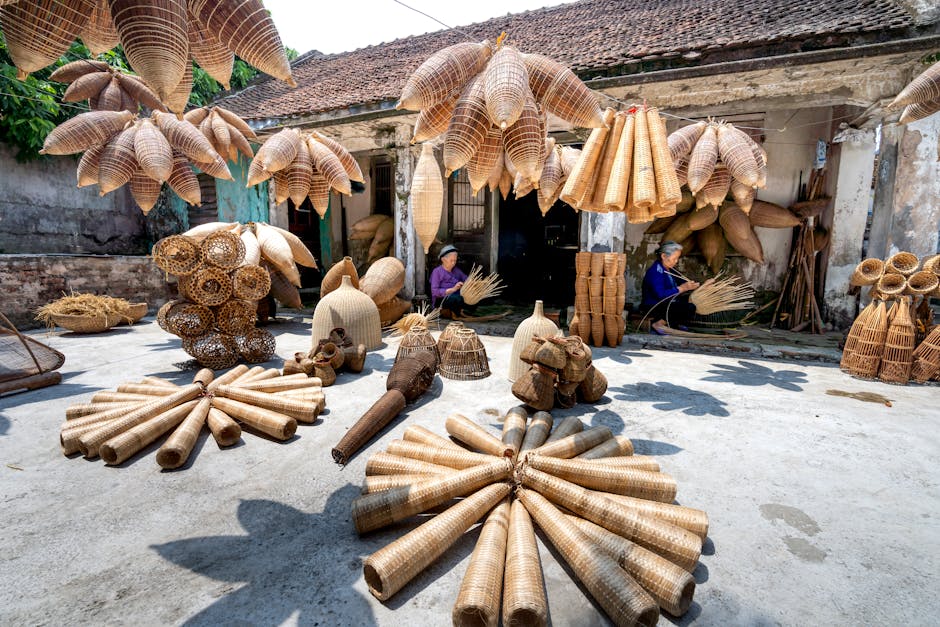
Hội An’s Outer Villages, Vietnam: Everyone knows Hội An’s ancient town by now — and it shows. But cycle just 8–12km out into the surrounding countryside and you’ll hit weaving villages, boat-building communities, and rice paper factories that haven’t changed their methods in generations. These villages are close enough to be convenient, yet invisible to 95% of tourists.
The Economics of Choosing Small: Why It Makes Financial Sense Too
Let’s talk money, because this is a factor worth reasoning through carefully. On average, a day of travel in a well-known tourist city in 2026 — including accommodation, meals, and attractions — can easily run $150–$300 in developed countries. In comparable small towns within the same region? That figure typically drops to $60–$120, often with higher quality experiences.
The reason is straightforward: small-town businesses haven’t had to inflate prices to account for tourist demand. A family-run restaurant doesn’t charge premium prices because it hasn’t realized yet that it could. A guesthouse in a historic building costs less than a chain hotel because the owner just genuinely wants company and a bit of income. This pricing gap won’t last forever — which is actually another argument for going now.
Realistic Alternatives for Every Type of Traveler
Not everyone can spend two weeks wandering rural Kyrgyzstan, and that’s completely fine. Here’s how to adapt the small-town travel philosophy to your actual situation:
- Weekend Warriors: Pick one small town within driving distance and commit to it fully — no rushing to “cover” multiple spots. One town, two nights, deep exploration beats three towns in a weekend every time.
- Family Travelers: Look for small towns with a clear activity anchor — a nature park, a hands-on craft workshop, or an interactive farm. Kids engage better with tangible experiences than abstract “culture.”
- Solo Travelers: Small towns with active volunteer tourism programs or language exchange cafes are goldmines for meaningful connection. You’re not just observing — you’re participating.
- Budget-Conscious Travelers: Prioritize towns accessible by public transport from a major city. This cuts accommodation costs significantly since you can do a day trip without overnight stays.
- Luxury Seekers: Yes, even this works. Look for “agritourism” estates or restored heritage properties in small towns — these often offer five-star experiences at four-star prices because the operating costs are lower.
A Few Honest Caveats
I want to be real with you here, because no good travel guide glosses over the challenges. Small towns can mean limited English-speaking locals, unpredictable business hours (yes, that amazing café might just be closed on Tuesday for no stated reason), and infrastructure that requires some patience. Public transport connections can be infrequent. Accommodation options might be limited.
But here’s how I think about this: those “inconveniences” are often the very things that make the experience memorable. Getting slightly lost, relying on a phrasebook, or having an impromptu conversation through a translation app with a local shopkeeper — these are the stories you’ll actually tell at dinner parties. The perfectly smooth, pre-packaged tour? Less so.
The sweet spot is preparation without over-planning. Research enough to know the basics — how to get there, where you’ll sleep, one or two key spots to anchor your visit. Then leave the rest open. Small towns reward spontaneity in ways that big cities rarely can.
In 2026, when so much of travel has become performative and algorithm-driven, choosing the quiet road isn’t just a travel preference — it’s almost a philosophical statement. It says: I’m here for the real thing, not the highlight reel version.
So where’s your next small town going to be?
Editor’s Comment : The best travel memories I’ve encountered in 2026 aren’t from people who ticked off the Eiffel Tower or Times Square — they’re from the person who stumbled into a village festival in rural Portugal because their train was delayed, or the couple who spent three days in a South Korean mountain village learning to make traditional pottery. The hidden gems aren’t hiding from you — they’re just waiting for someone curious enough to look slightly left of the obvious path. Start small, go deep, and watch how profoundly your perspective on travel shifts.
태그: [‘hidden gem travel 2026’, ‘small town tourism’, ‘off the beaten path destinations’, ‘authentic travel experiences’, ‘budget travel tips’, ‘local culture travel’, ‘slow travel lifestyle’]
Leave a Reply