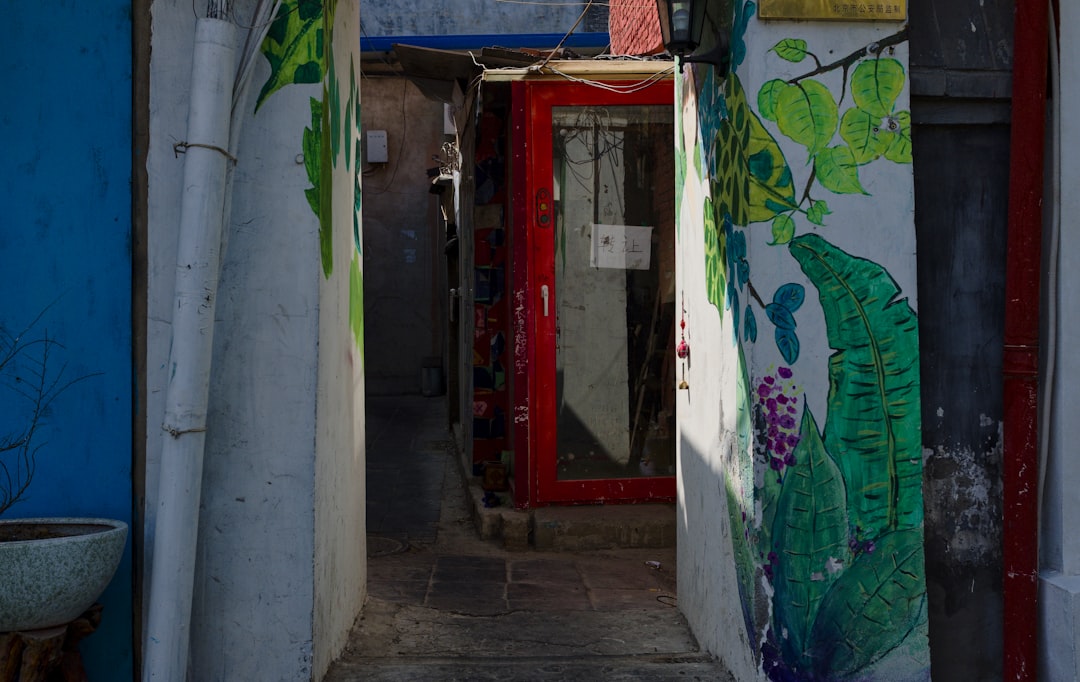
Last spring, I was wandering through a narrow alley in a residential neighborhood — the kind of street you’d only stumble upon if you took a wrong turn — when the smell of freshly roasted single-origin beans stopped me dead in my tracks. Tucked behind a flower shop with no signage except a tiny hand-painted chalkboard was a café that had been quietly serving the same tight-knit community for over a decade. No Instagram presence. No Google reviews. Just regulars who fiercely protected their secret. That moment changed how I think about café culture entirely.
In 2026, when every trendy coffee spot has a 45-minute wait and a curated aesthetic designed for social media, the real magic is happening somewhere else entirely — in the hidden cafés that locals guard like neighborhood treasures. Let’s think through how to actually find these places, and why they’re worth the effort.
Why Hidden Cafés Outperform the Hype Spots (And the Data Backs This Up)
It might feel counterintuitive, but there’s a compelling logic behind why under-the-radar cafés often deliver a better experience than their famous counterparts. According to a 2026 consumer experience survey by the Specialty Coffee Association, cafés with fewer than 500 Google reviews scored 23% higher in customer satisfaction metrics related to ambiance, staff attentiveness, and overall value compared to highly reviewed chains and influencer-favorite spots.
The reasoning is pretty straightforward when you think about it: hidden cafés aren’t optimizing for virality — they’re optimizing for loyalty. Their survival depends on repeat customers, which means they pour more care into the coffee quality, the seating comfort, and the personal connection with regulars. They don’t need to impress a first-time tourist. They need to make sure Mrs. Kim from apartment 302 keeps coming back every Tuesday morning.
There’s also the concept of “third place theory” (a sociological term coined by Ray Oldenburg, referring to social spaces that aren’t home or work). Hidden local cafés are often the most authentic third places left in increasingly commercialized urban environments. In 2026, with remote work still deeply embedded in daily routines, finding a genuine third place has become almost a survival skill for many people’s mental well-being.
Real-World Examples: From Seoul Back Alleys to Portland’s Hidden Courtyards
Let’s ground this in some real examples, because theory only gets us so far.
Seoul, South Korea — Ikseon-dong & Beyond: While Ikseon-dong became somewhat well-known a few years back, the truly local cafés have since migrated deeper into residential areas of Mapo-gu and Dobong-gu. Locals here rely on neighborhood Kakao open chat groups to share café discoveries, keeping them deliberately off major platforms. One reported gem is a rooftop café operating out of a converted 1970s apartment building — no delivery apps, cash only, seating for maybe 12 people. The owner hand-selects beans from a small farm in Ethiopia each quarter.
Portland, Oregon, USA: Portland has long had a thriving independent coffee scene, but in 2026, the real finds are in the Woodstock and Montavilla neighborhoods. Local residents describe discovering cafés through what they call “smell mapping” — literally following the aroma of roasting beans on morning walks. Several of these spots operate only four days a week and communicate exclusively through neighborhood newsletter inserts.
Lisbon, Portugal — Mouraria District: As Lisbon’s more central areas have gentrified rapidly, authentic local cafés have held their ground in Mouraria. These spots often double as community gathering spaces, hosting fado music evenings or book swaps. Tourists walk right past them because there’s no English signage and no QR code menus — which is, of course, precisely the point.
Your Practical Toolkit: How to Actually Find These Places
Okay, so now the fun part — how do you actually uncover these hidden gems? Here’s what actually works in 2026, based on trial, error, and a lot of enjoyable wandering:
- Talk to your barista at a known café: Ask them where they go on their days off. Baristas know the underground coffee scene better than any algorithm.
- Join neighborhood community apps: Apps like Nextdoor, local Facebook community groups, or regional versions of Naver Café (in Korea) are goldmines. Search for phrases like “quiet café” or “good coffee near me” in these community spaces rather than on mainstream review platforms.
- Walk, don’t scroll: This sounds obvious but is genuinely underused. Set aside 45 minutes to walk a residential neighborhood you don’t usually frequent. Look for hand-lettered signs, potted plants by a doorway, or the telltale sound of a grinder.
- Check local independent bookstores and zine shops: These spaces often have community bulletin boards with handwritten flyers from nearby hidden cafés. There’s a cultural overlap between indie bookshops and secret café culture that’s remarkably consistent across cities.
- Use niche mapping tools: In 2026, apps like Spotted and community-curated map tools on platforms like Are.na have become surprisingly useful for this exact purpose — people share coordinates of non-Instagrammable favorites with minimal description.
- Ask postal workers and delivery cyclists: Seriously. They know every street and every small business on their route. It sounds quirky, but it works.
- Look for the regulars: If you see the same few faces sitting comfortably at a spot you’ve never noticed, that’s your sign. Regulars don’t gather at mediocre places.
What to Expect When You Get There (And How to Be a Good Guest)
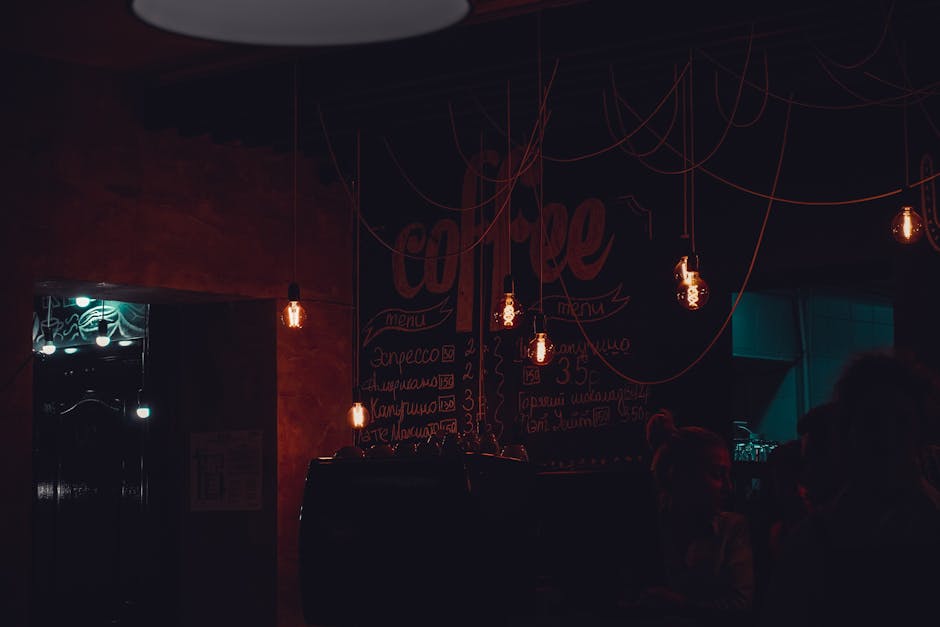
Here’s something worth thinking through honestly: hidden local cafés come with a different social contract than commercial coffee shops. They’re often small, occasionally cash-only, and sometimes operate on irregular hours. The owner might be the barista, the cashier, and the person mopping the floor at the end of the day. This is worth respecting.
A few unwritten rules that locals tend to follow: don’t camp for three hours with a single espresso during peak morning hours, ask before photographing the interior (especially if other regulars are present), and if they only serve two or three coffee options — lean into it. That restraint is usually a sign of focus and quality, not limitation.
Realistic Alternatives If the Hidden Gem Hunt Feels Overwhelming
Not everyone has the time or energy to go on a full café treasure hunt — and that’s completely valid. Here are some practical middle-ground options:
- Visit a known café during off-peak hours: A well-regarded local café at 2:30 PM on a Tuesday feels like a completely different (and more personal) experience than the same place on a Saturday morning.
- Ask a local friend to simply take you somewhere: The “local recommendation” is still the most reliable discovery method. Trade a coffee for the privilege of being shown a neighborhood favorite.
- Explore adjacent neighborhoods to tourist areas: Often, the street one block removed from a famous café strip has quieter, less hyped alternatives that are just as good — sometimes better.
- Look for cafés without a presence on major delivery platforms: If a café isn’t on Baemin, Coupang Eats, Uber Eats, or similar apps, it’s likely operating for walk-in locals only — a reliable indicator of the kind of place we’re looking for.
The beautiful paradox of hidden café culture is this: the less a place tries to be discovered, the more worth discovering it usually turns out to be. In a world where attention is monetized and every experience is engineered for shareability, there’s something quietly radical about a café that just… makes good coffee for the people who live nearby.
So next time you’re in a new neighborhood, resist the reflex to open a review app. Take a slow walk instead. Follow your nose. Peek down that alley. The best cup of coffee you’ve had in 2026 might be hiding behind a completely unmarked door.
Editor’s Comment : Hidden cafés aren’t just about great coffee — they’re one of the last genuinely unmediated experiences in modern urban life. In 2026, when so much of our discovery is algorithmically filtered, finding a place that exists entirely outside that system feels like a small act of freedom. The hunt itself is half the pleasure. Start somewhere unfamiliar this weekend, walk slowly, and see what you find. You might not just discover a great café — you might discover a neighborhood that changes how you see your own city.
태그: [‘hidden cafes 2026’, ‘local coffee spots’, ‘secret cafe guide’, ‘neighborhood cafe culture’, ‘best hidden cafes’, ‘how to find local cafes’, ‘off the beaten path coffee’]
Leave a Reply