Last spring, I almost missed my exit on the expressway because I was too busy staring at a sunlit reed field stretching across the horizon — somewhere between Yangpyeong and Gapyeong, where most GPS apps simply say “nothing here.” That moment stuck with me, and it got me thinking: how many travelers are zooming past Gyeonggi-do’s best-kept secrets every single weekend?
In 2026, as Seoul’s popular day-trip spots like Nami Island and Suwon Hwaseong Fortress continue to draw massive crowds (and equally massive queues), a quiet revolution is happening just off the main roads. Let’s think through this together — because finding the right hidden gem isn’t just about luck. It’s about knowing where to look and what to realistically expect.
📍 Why Gyeonggi-do Is Overflowing With Overlooked Treasures
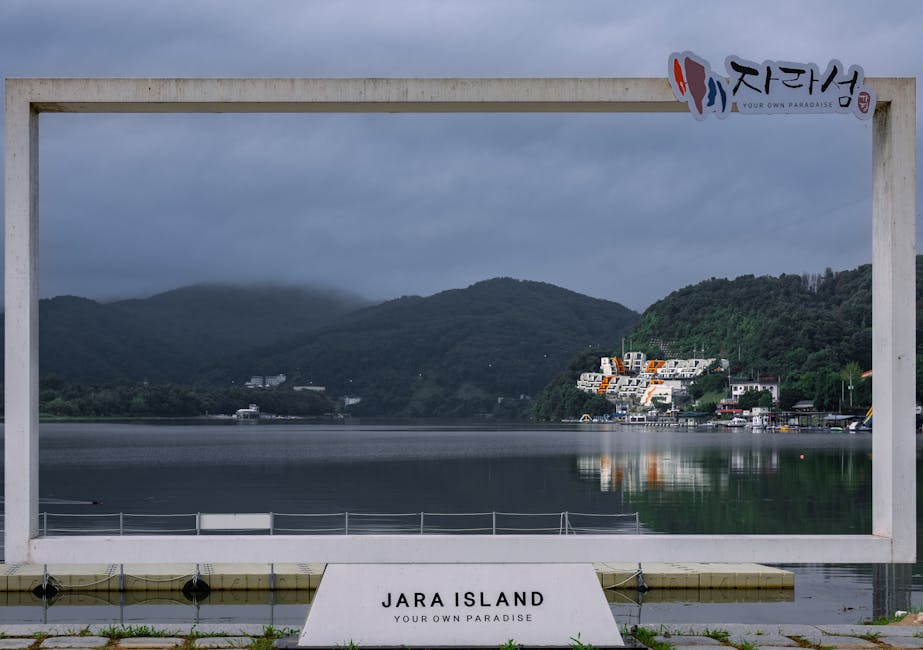
Gyeonggi-do wraps around Seoul like a sprawling green ring, covering over 10,000 km² with 28 cities and counties. Yet most travel content focuses on maybe five or six spots. According to the Korea Tourism Organization’s 2026 regional visitation data, over 73% of Gyeonggi-do tourists cluster in just four destinations: Suwon, Gapyeong, Paju (DMZ), and Yongin. That leaves an enormous geographic territory — and a genuinely curious traveler — with room to explore.
The logic here is simple: less footfall means better preservation, more authentic local interaction, and often, significantly lower costs. A meal that costs 18,000 won near Petite France in Gapyeong might run you 9,000 won for the same quality in a village 20 minutes south. The math of off-the-beaten-path travel is almost always in your favor.
🌿 Hidden Spot #1 — Yangpyeong’s Dumulmeori Riverside (양평 두물머리 외곽)
Everyone knows the famous Dumulmeori sunrise photo spot. But walk 15 minutes further east along the Han River fork, and you’ll hit a stretch of unpaved path locals call “the other bank” — no official name, no souvenir shop, just herons, lotus fields (in bloom May through August), and the occasional fisherman. In early 2026, the Yangpyeong County office quietly installed basic wooden benches and eco-restrooms here, making it genuinely accessible without commercializing it. Bring your own coffee. You won’t regret it.
🏞️ Hidden Spot #2 — Anseong Farmland’s Western Edge (안성팜랜드 서쪽 들판)
Anseong Farmland gets moderate attention, but its western perimeter trail — a 4.2 km loop that skirts working farms and a small seasonal wildflower corridor — remains almost entirely tourist-free. I walked it on a Tuesday morning in October 2025 and passed exactly three people. In 2026, local social media accounts have started tagging it as “안성 숨은 코스,” so catch it before the algorithm does its work. The trail connects to a small traditional tofu restaurant (dubu-jip, 두부집) run by a family that’s been there since the 1980s — cash only, closes at 2 PM.
🏯 Hidden Spot #3 — Icheon’s Seolbong Park Backside Trail (이천 설봉공원)
Icheon is famous for its ceramics festival and rice, but Seolbong Park’s rear mountain trail offers something completely different: a 2-hour loop through pine forest with a small Buddhist hermitage (암자) at the top that welcomes quiet visitors. The view from the ridge overlooks rice paddies in a way that feels genuinely cinematic. No entry fee. No crowds on weekdays. The hermitage monk reportedly serves barley tea to visitors — though this is courtesy, not a guarantee, so don’t show up expecting a café experience.
🌐 How This Compares Internationally — The “Slow Travel” Framework
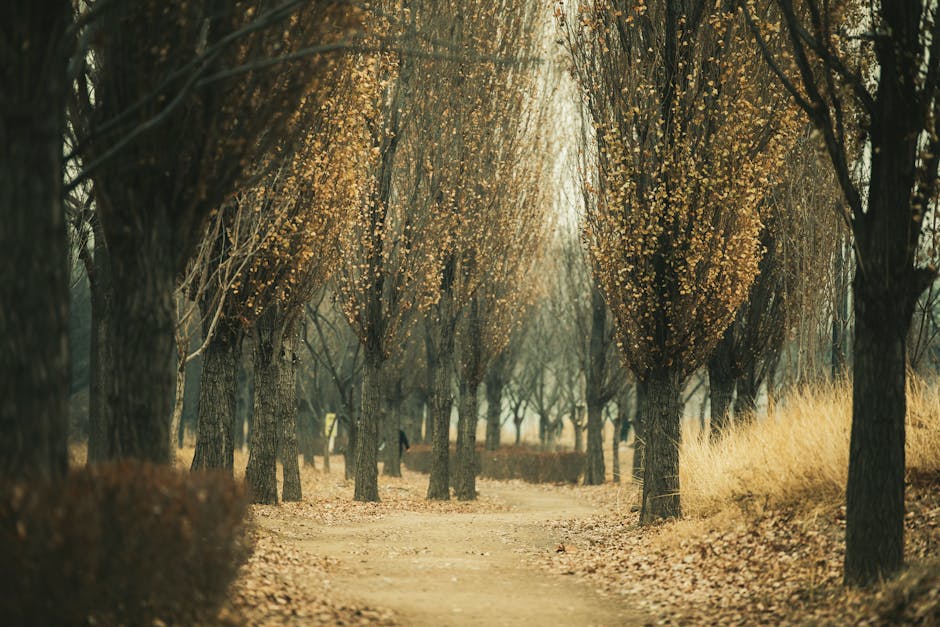
This kind of travel has a name in international tourism circles: slow travel or secondary destination tourism. Japan has been masterfully practicing this for years — the “Hidden Japan” campaign promoted towns like Tottori and Yamaguchi with measurable success, increasing rural tourism revenue by 31% between 2022 and 2025 (Japan Tourism Agency data). Portugal did something similar with its Interior regions program, routing travelers away from Lisbon and Porto toward Alentejo and Trás-os-Montes.
Gyeonggi-do is at exactly that inflection point in 2026. The infrastructure is there (good roads, decent mobile coverage, accessible transit), but the tourism narrative hasn’t caught up yet. That gap? That’s your opportunity as a traveler.
✅ What to Realistically Expect — Honest Assessment
- Limited English signage: Most hidden spots in Gyeonggi-do are navigated in Korean. Download Naver Maps (not Google Maps — it’s far more accurate for rural Korea) and save offline directions before you go.
- Irregular operating hours: Small local restaurants and cultural sites often close without notice. Call ahead when possible, or build buffer time into your itinerary.
- Seasonal dependency: Several spots are spectacular in specific seasons (spring cherry blossoms, summer lotus, autumn foliage, winter frost landscapes) and genuinely underwhelming at other times. Research the optimal month for your chosen spot.
- Limited public transit to trailheads: Many locations require a car or taxi from the nearest bus stop. Budget 10,000–20,000 KRW for local taxi hops.
- No tourist amenities: This is the point — but it means you should carry water, snacks, and a portable charger.
🔄 Realistic Alternatives Based on Your Travel Style
Not everyone is ready to go fully off-grid, and that’s completely valid. Here’s how I’d think through it:
- If you want hidden gems but with some comfort: Try Hanam’s Misari Café Street (미사리 카페촌) — it’s semi-known but quieter than it used to be, and the Han River views are underrated.
- If you’re traveling with elderly family or young children: Gwacheon National Science Museum’s outdoor trail area is rarely crowded on weekday afternoons and has excellent facilities.
- If you have only 4–5 hours from Seoul: Namyangju’s Buldam Valley (불담계곡) offers a quick nature fix without deep planning. A 40-minute drive from Gangnam, and far less visited than Bukhansan.
- If you’re a photographer specifically: Paju’s Odusan Unification Observatory at dawn (arrive before 7 AM) delivers mist-over-river shots that are genuinely world-class — and most visitors don’t arrive until 10 AM.
💡 Practical Planning Tips for 2026
Given how quickly social media can transform a quiet spot into a weekend crowd magnet, here’s the honest reality: go on weekdays, go in shoulder seasons (March–April, October–November), and resist the urge to tag exact GPS coordinates when you post. The “hidden gem” ecosystem is fragile, and a single viral post can change the character of a place permanently. Share the experience, protect the location.
Also worth noting: Gyeonggi Tourism Organization launched a new “Rural Trail Passport” program in early 2026, where you can collect stamps at participating lesser-known sites for small local discounts (tofu, ceramics, local makgeolli). It’s a genuinely clever incentive to explore beyond the usual circuit.
Editor’s Comment : The best travel experiences in 2026 aren’t hiding because they’re hard to find — they’re hiding because most people simply don’t look sideways. Gyeonggi-do is one of those rare places where a 20-minute detour from the obvious route can completely reframe your entire day. The spots I’ve described are real, accessible, and genuinely worth the minor inconvenience of figuring them out. Go with a curious mindset, low expectations about comfort, and high expectations about atmosphere. That combination almost never disappoints.
태그: [‘Gyeonggi-do hidden travel spots 2026’, ‘Korea off the beaten path’, ‘2026 경기도 여행’, ‘slow travel Korea’, ‘Gyeonggi day trips from Seoul’, ‘hidden gems South Korea’, ‘Yangpyeong Icheon Anseong travel guide’]
Leave a Reply