Last spring, I almost made the rookie mistake that nearly every festival traveler makes — booking accommodation right next to the main festival grounds, spending two days in a crowd-packed plaza, and heading home thinking, “Well, that was… fine.” A local vendor selling makgeolli near the Jinhae Cherry Blossom Festival actually pulled me aside and said, “The real Jinhae is ten minutes that way.” That single redirect changed everything. I found a quiet harbor, a century-old stone alley, and a grandmother’s hand-pulled noodle shop that doesn’t even have a sign. That moment is exactly what this guide is about.
In 2026, domestic travel in Korea has reached a fascinating inflection point. With over 1,200 registered regional festivals annually (according to the Korea Tourism Organization’s 2026 Regional Culture Tourism Report), the challenge is no longer finding a festival — it’s knowing how to layer it with the hidden geography around it. Let’s think through this together.
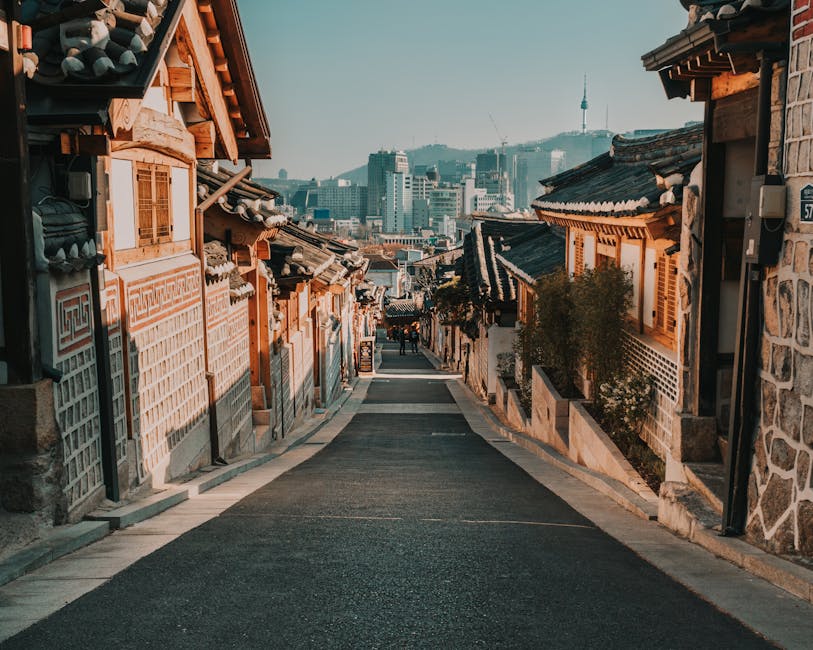
📊 Why Festival-Only Travel Leaves Value on the Table
Here’s a data point worth sitting with: the Korea Culture & Tourism Institute reported in early 2026 that the average domestic festival visitor spends only 1.4 days at or near a festival site, with over 60% of that time spent within a 500-meter radius of the main stage or event venue. Meanwhile, regional tourism boards consistently report that satellite attractions within 20–30km of major festival sites see less than 15% of the foot traffic the festival itself generates.
That gap is your opportunity. Think of it this way: the festival is your anchor event — it gives you a reason to be in that region at a specific time. But the surrounding area is the canvas. Let’s look at how to paint on it intelligently.
🗺️ The “Festival + Radius” Planning Framework
Before diving into specific routes, here’s the planning logic I use personally and recommend to readers:
- Step 1 — Pick your anchor festival based on season and personal interest (food, culture, nature, arts).
- Step 2 — Draw a 30km radius around the festival location on a map (Naver Map or Kakao Map work beautifully for this).
- Step 3 — Identify “B-tier” attractions — places listed in regional tourism guides but rarely featured in national travel media. Look for municipal heritage sites, traditional markets, small-batch craft workshops, and coastal or mountain trailheads.
- Step 4 — Time-block strategically. Most festivals are liveliest from 10am–4pm. Plan hidden-spot visits for early morning (before 9am) or late afternoon/evening when crowds have thinned.
- Step 5 — Build in a “slow meal” stop. Regional hidden gems almost always involve a local eatery that requires no reservation and no Instagram fame — just patience and curiosity.
🌸 Route Example 1: Jinhae Cherry Blossom Festival + Goseong Dinosaur Coast
The Jinhae Gunhangje Festival (typically held in late March to early April) draws upward of 3 million visitors over ten days — making it one of Korea’s most attended spring events. Most visitors arrive, walk Yeojwacheon Stream, take photos, and leave. But here’s what they miss:
Drive approximately 80km southwest to Goseong County, and you’ll find the Goseong Dinosaur Coast — a UNESCO-recognized site with actual dinosaur footprints embedded in coastal rock formations. In 2026, the Goseong County office has added a new guided tidal-flat walk program that operates with groups of just 8–10 people. The contrast of cherry blossom crowds versus this near-empty prehistoric coastline is genuinely surreal.
Bonus hidden stop: On your way, pass through Goseong Dang항 (Danghang) fishing village — a small harbor community where local fishermen sell same-morning catches directly from dockside coolers. No menu. You point, they cook.
🎆 Route Example 2: Boryeong Mud Festival + Chungcheong Inland Heritage Trail
The Boryeong Mud Festival is a summer institution — internationally recognized, heavily marketed, and honestly a lot of chaotic fun. But Boryeong itself sits in South Chungcheong Province, which is arguably Korea’s most underrated travel region for cultural depth.
After your mud-soaked afternoon, consider this 2-day inland extension:
- Magoksa Temple (마곡사) — A UNESCO World Heritage Buddhist temple nestled in a valley forest, roughly 60km inland. Early morning visits in summer are ethereal — mist, silence, the smell of pine and incense.
- Gongju Hanok Village Area — Gongju was once the capital of the Baekje Kingdom. The reconstructed Gongsanseong Fortress offers free sunset access and panoramic views that most domestic travelers don’t bother with.
- Buyeo Jeongnimsaji (정림사지) — A flat, open archaeological site with a five-story stone pagoda that dates to the 7th century. Almost always uncrowded. The adjacent museum is small but surprisingly thoughtful.
🍂 Route Example 3: Andong Mask Dance Festival + Hahoe Village’s Forgotten Paths
Andong’s UNESCO-recognized Hahoe Village is well-known — but most visitors follow a predictable loop: entrance gate → thatched-roof houses → river view → exit. The village itself, though, has unmarked foot trails along the Nakdong River bend that wind through reed fields and pine groves. Local guesthouses (especially the older minbak-style ones) can point you toward these paths, which aren’t on any app.
Pair this with a visit to Bongjeongsa Temple — about 20km north of Andong — which houses Korea’s oldest surviving wooden structure. The forest approach trail alone is worth the detour.
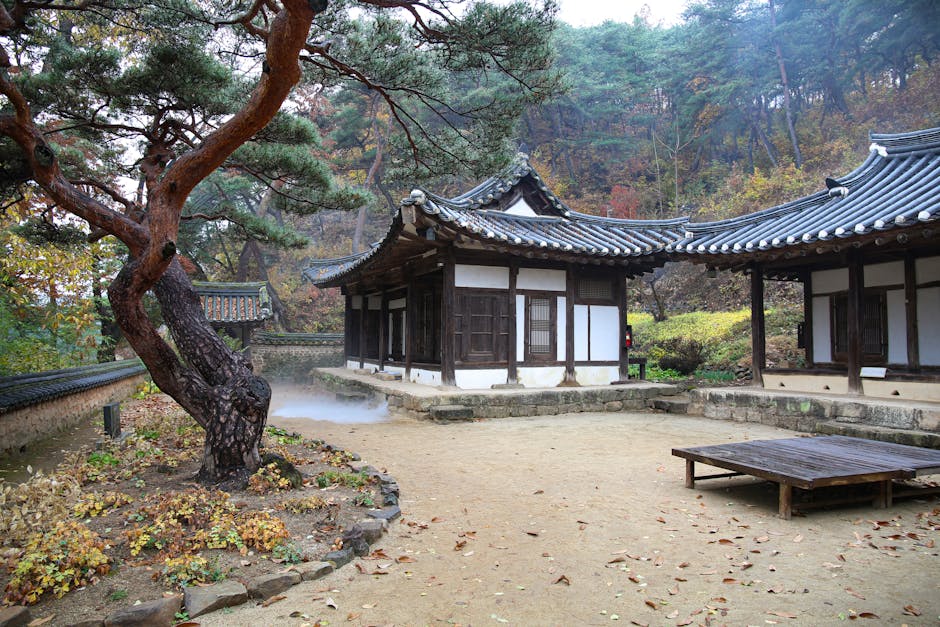
🛠️ Practical Considerations for 2026 Festival Travel
A few logistical realities to keep in mind as you plan:
- Transportation: For satellite-spot exploration, renting a car remains the most flexible option. In 2026, platforms like Kakao Mobility and Lotte Rent-a-Car offer one-way regional rentals with no return fee surcharge on select routes — useful if you’re creating a linear itinerary rather than a loop.
- Accommodation: Consider staying outside the festival town at a nearby village guesthouse. Prices are 30–50% lower, crowds are absent, and you’ll often have a host who is an invaluable local guide.
- Timing: Many regional festivals in 2026 have adopted staggered programming — opening ceremonies, peak days, and closing events spread across 1–2 weeks. Arriving on Day 3 or 4 (not opening weekend) often means thinner crowds while the full program is still running.
- Language navigation: For signage in smaller villages, the Naver Papago camera translation function handles Korean-to-English in real time and has improved significantly in accuracy for regional dialect signage.
🔄 Realistic Alternatives for Different Travel Styles
Not everyone has the flexibility for a multi-day road trip. Here’s how to adapt this framework:
For weekend travelers (2 days): Pick one festival + one hidden spot within 40km. Prioritize the hidden spot on Day 1 morning (before festival crowds build) and spend Day 1 afternoon/evening at the festival. Use Day 2 for the festival’s secondary programming, which is usually less attended.
For solo travelers: Festival environments are actually fantastic for meeting people, but the hidden spots are where genuine local connection happens. Solo travelers often find that showing up at a small rural craft workshop or a fishing village dock sparks organic conversations that a crowded festival plaza simply doesn’t allow.
For families with children: Pair high-energy festivals (mud, fire, water-themed events) with calmer natural sites the following morning — tidal flats, easy forest trails, or traditional craft demonstration centers where kids can participate hands-on.
The underlying logic here is always the same: let the festival earn your trip’s momentum, and let the hidden places earn your trip’s meaning. Korea’s regional depth is genuinely remarkable — it just requires you to look slightly sideways from where everyone else is pointing their camera.
Editor’s Comment : The best travel memories almost never come from the main stage. They come from the ten-minute detour a stranger recommended, the unmarked trail behind the temple, the soup that had no English sign and needed no translation. In 2026, with Korean regional tourism more developed than ever yet still vastly underexplored outside major nodes, the festival-plus-hidden-gem approach isn’t just a travel hack — it’s genuinely the most rewarding way to experience the country’s living culture. Plan the festival. Then plan what’s around it.
태그: [‘Korean regional festivals 2026’, ‘hidden gem travel Korea’, ‘festival travel itinerary’, ‘off the beaten path Korea’, ‘domestic travel Korea 2026’, ‘cultural tourism routes’, ‘local festival hidden spots’]
Leave a Reply