Last spring, my cousin dragged her three kids — ages 7, 11, and 14 — on what she nervously called a “history trip” through the Korean countryside. She braced for complaints. Instead, her 11-year-old became obsessed with Joseon-era pottery, her teenager started asking questions about Japanese colonial resistance, and the 7-year-old refused to leave a folk village because she’d made a straw-weaving friend. That trip changed how the whole family talks about Korea. That’s the magic of family history and culture theme travel — and in 2026, Korea’s domestic travel scene has never been better equipped to deliver it.
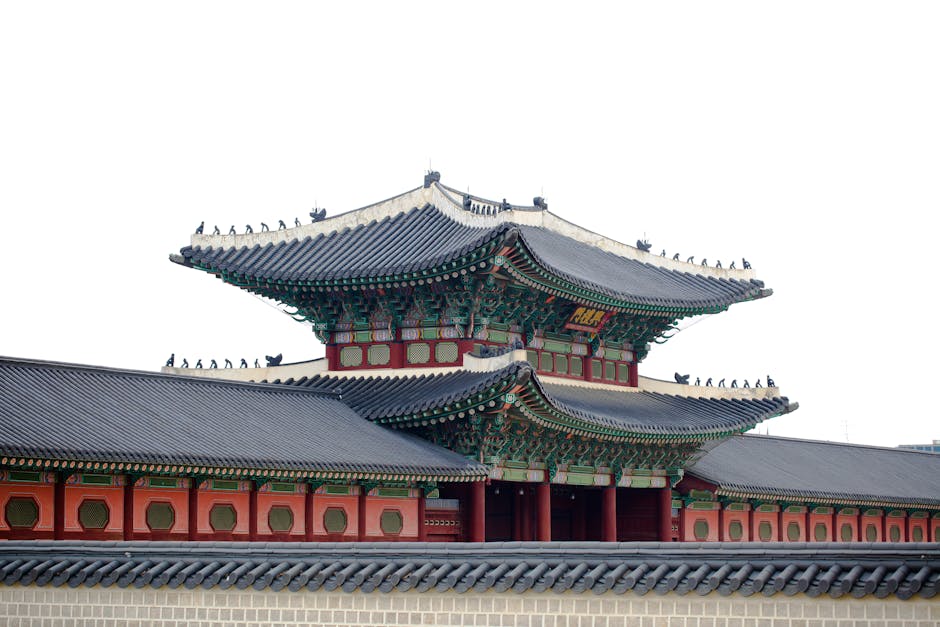
Why Family History Travel in Korea Is Having a Moment in 2026
Let’s be honest: history travel has historically (pun intended) had a PR problem with kids. But data from Korea Tourism Organization’s 2026 Family Travel Trends Report shows a striking shift — family cultural itinerary bookings rose by 34% year-over-year, with “heritage-focused” domestic packages now ranking as the second most popular family trip category after beach/resort travel. Why the surge? A few forces are converging:
- Post-pandemic identity interest: Families are craving meaning-making experiences, not just Instagram backdrops.
- KTX expansion: The 2025–2026 rail upgrades mean that cities like Gyeongju, Jeonju, and Andong are now reachable in under 2 hours from Seoul — no more “it’s too far” excuses.
- Gamified heritage sites: Many museums and folk villages have introduced AR (augmented reality) guides and interactive storytelling stations specifically designed for children aged 6–13.
- Curriculum alignment: With Korea’s revised 2025 national history curriculum, kids are arriving at these sites with more context — and more curiosity.
The Classic 5-Day Domestic Route: Seoul → Gyeongju → Andong → Jeonju
If you’re planning your first family history trip and want a route that covers multiple eras without exhausting anyone, this is the blueprint I’d recommend. Think of it as a “greatest hits” tour of Korean civilization, from ancient kingdoms to the Joseon dynasty to modern independence movements.
Day 1–2: Seoul — The Living Archive
Start in Jongno-gu, the historical heart of the capital. Gyeongbokgung Palace is the obvious anchor, but the real hidden gem for families is the National Folk Museum of Korea inside the palace grounds. It’s free with palace admission and has a dedicated children’s museum wing. In 2026, they’ve added a new “Time Capsule” interactive zone where kids can “send a message” to their ancestors through historical letter-writing workshops. Pair this with an evening walk through Bukchon Hanok Village — don’t try to rush it, just let the kids absorb the rooftops.
Day 2–3: Gyeongju — Korea’s Open-Air Museum
Often called the “museum without walls,” Gyeongju is where the Silla Kingdom (57 BCE – 935 CE) left its fingerprints everywhere — burial mounds, pagodas, and the stunning Bulguksa Temple. For families, the Gyeongju National Museum is non-negotiable; their 2026 revamped “Silla Gold Room” uses holographic storytelling to bring royal jewelry to life. Pro tip: rent bikes near Tumuli Park. Cycling between the royal burial mounds with kids is genuinely thrilling, and it burns off energy before dinner.
Day 3–4: Andong — Where Confucian Korea Breathes
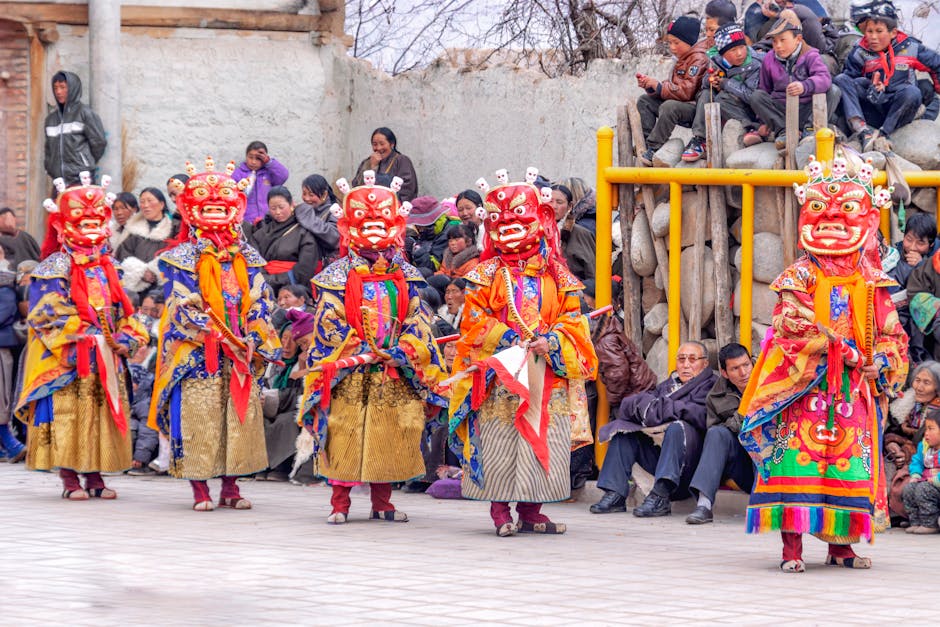
Andong is for the families who want to go deeper. This is Neo-Confucian Korea — the philosophy that shaped everything from family structure to government for 500 years. Hahoe Folk Village (a UNESCO World Heritage Site) is still lived-in, which makes it feel completely different from a preserved museum. You can watch traditional hahoe tal (mask dance) performances that kids genuinely love. The nearby Andong Soju Museum is adult-friendly, while kids can explore the Andong Folklore Museum with hands-on exhibits about traditional rural life.
Day 4–5: Jeonju — Culture, Craft, and Cuisine
End in Jeonju, where history literally tastes good. The Jeonju Hanok Village is Korea’s most visited non-Seoul attraction for a reason — it’s beautifully preserved and stuffed with artisan workshops. In 2026, the Jeonju Traditional Culture Center has introduced a new “Family Craft Day” program where parents and children make hanji (traditional paper) together. And yes, you must eat bibimbap here. The regional version is the original, and even picky eaters tend to love assembling their own bowl.
Realistic Alternatives Based on Your Family’s Situation
Not every family can do 5 days. Here’s how to adapt:
- Weekend warriors (2 days from Seoul): Gyeongju alone is deeply satisfying as a weekend trip. Take the KTX Friday evening, spend Saturday and Sunday at the key sites, and return Sunday night. It’s doable and memorable.
- Families with very young children (under 6): Stick to Jeonju. The Hanok Village is walkable, visually engaging, and has excellent street food to keep energy levels up. Skip the longer Gyeongju bike routes for now.
- Teen-focused trips: Add Gwangju to the itinerary. The May 18th Democratic Uprising Memorial sites offer powerful, age-appropriate lessons in civic courage that resonate deeply with teenagers studying modern Korean history.
- Budget-conscious families: National museums across all these cities are either free or under ₩5,000 per adult. The biggest cost is accommodation — consider booking a hanok guesthouse in Jeonju or Andong, which are competitively priced and deliver an immersive experience that a standard hotel simply can’t match.
- History-skeptic kids: Frame the trip around food and craft making, not “museums.” Let the history seep in naturally through context. Bulguksa becomes cooler when you say, “This was built over 1,300 years ago — it’s older than most countries in Europe.”
What International Families Say About Korean Cultural Routes
Korean domestic heritage travel isn’t just resonating with Korean families. Expat communities and international tourists have been vocal on travel forums throughout 2025–2026 about how the country’s investment in multilingual guides, English AR apps, and family-friendly pacing at historical sites has made these routes genuinely accessible. One American expat family based in Seoul documented their Andong trip on a popular parenting blog, noting that their half-Korean children came away with a new emotional connection to a heritage they’d previously known only through grandparents’ stories. That’s the kind of outcome no theme park can replicate.
Quick Planning Checklist Before You Go
- Download the Korea Tourism Organization app (updated for 2026 with family route filters)
- Check for school holiday blackout dates — Golden Week and Chuseok periods mean significantly higher accommodation prices
- Book hanok guesthouses 3–4 weeks in advance during spring and fall peak seasons
- Pack comfortable walking shoes — cobblestone and uneven traditional architecture paths are everywhere
- Bring a small notebook for kids to sketch or journal — it dramatically increases engagement at sites
- Check each museum’s website for special 2026 programming — many have seasonal family workshops not listed on third-party booking sites
The beauty of this kind of travel is that it compounds. The conversations that start at a Gyeongju tomb mound or a Jeonju paper workshop don’t end when you get back on the KTX. They follow your family home, into dinner table conversations, into school projects, into a quietly deepened sense of who you all are and where you come from. And that, honestly, is worth every kilometer.
Editor’s Comment : Family history travel works best when you stop trying to teach and start trying to experience together. The sites are doing the heavy lifting in 2026 — your job is just to show up, stay curious, and let your kids lead the way every once in a while. You might be surprised which 7-year-old becomes the family’s unofficial historian.
태그: [‘family history travel Korea’, ‘Korean cultural heritage tourism 2026’, ‘domestic travel Korea family’, ‘Gyeongju Andong Jeonju itinerary’, ‘Korean folk village family trip’, ‘history theme travel kids’, ‘Korea family travel guide 2026’]
Leave a Reply