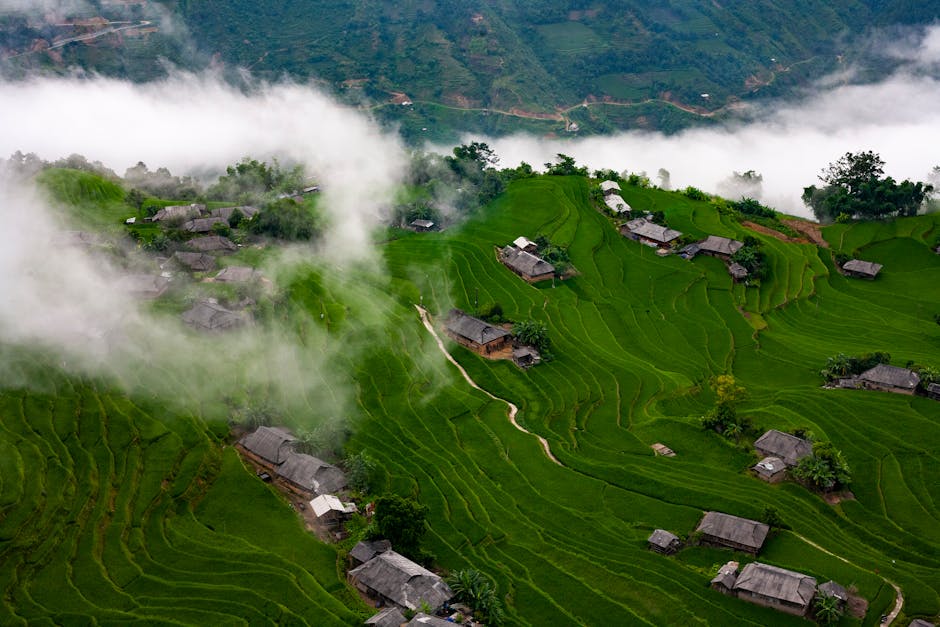
Picture this: It’s a crisp Tuesday morning in 2026, and instead of shuffling through the crowds at Gyeongbokgung Palace or waiting 45 minutes for a table at a trendy Seoul café, you’re sitting on the wooden daecheong (대청, the open-air wooden floor) of a 300-year-old hanok, watching an elderly farmer guide an ox through terraced rice paddies. Nobody is filming it for content. Nobody is hashtagging it. It’s just… real. That moment — quiet, unscripted, and deeply Korean — is exactly what’s waiting for travelers who dare to venture beyond the tourist trail into Korea’s hidden rural villages.
Korea’s rural landscape has been quietly undergoing a fascinating transformation. While Seoul and Busan continue to dominate travel itineraries, a growing community of adventure travelers, slow-travel enthusiasts, and cultural seekers are discovering that the soul of Korea lives not in its skylines, but in its hillside villages, forgotten fishing ports, and mist-draped mountain hamlets. Let’s think through this together — where exactly are these places, why do they matter, and how do you actually get there?
Why Korean Rural Villages Are Having a Major Moment in 2026
The numbers tell a compelling story. According to Korea Tourism Organization data from early 2026, rural and agritourism visits in Korea increased by approximately 34% compared to pre-pandemic baselines, with international visitors specifically seeking “authentic cultural immersion” over conventional sightseeing. This isn’t just a trend — it’s a recalibration of what meaningful travel looks like.
Several forces are converging to make rural Korea more accessible than ever:
- Expanded KTX and ITX rail routes now connect smaller provincial towns like Gurye, Hadong, and Yeongyang to major hubs in under 2-3 hours.
- The “Slow City” (슬로시티) movement has officially designated 17 Korean municipalities as Cittaslow members, committing them to preserving traditional food, crafts, and pace of life.
- Government-backed rural revival programs have funded restoration of traditional village structures and created bilingual signage and visitor infrastructure.
- Short-term rental platforms now list hanok homestays in remote villages that were previously inaccessible to solo or international travelers.
- Social media micro-communities dedicated to “진짜 한국” (real Korea) are actively mapping and sharing undiscovered spots in real time.
Five Hidden Villages Worth Building Your Trip Around
Let’s get specific. Here are five rural villages that rarely appear in mainstream travel guides but are increasingly buzzing among in-the-know travelers in 2026:
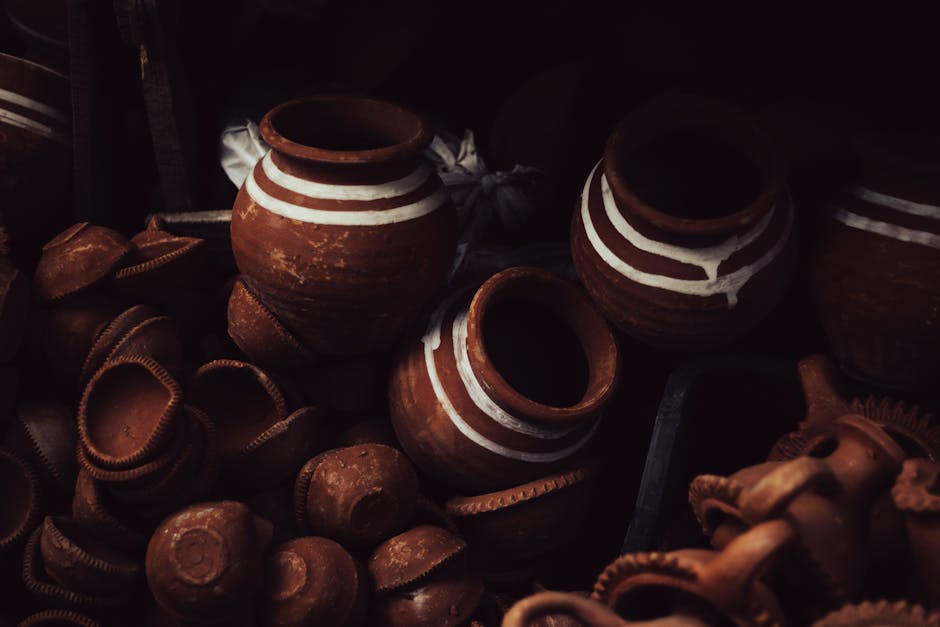
1. Oeam Folk Village (외암 민속마을), Chungcheongnam-do — Unlike the often-crowded Hahoe Village, Oeam is a living village where actual families still reside in centuries-old stone-walled homes. The Eunjin Song clan has maintained this settlement for over 500 years. You can walk lanes lined with jangdokdae (earthenware jar stands), taste locally fermented doenjang, and have genuine conversations with residents — not performers.
2. Gurye’s Sandong Village (산동면), Jeollanam-do — Every spring, Korea’s largest wild sanmaeul (mountain village) corridor blooms with yellow sansuyu (cornelian cherry) flowers, but the village itself offers a year-round appeal: traditional tea cultivation, hanji (Korean paper) workshops, and hiking paths threading through granite formations that feel plucked from a Song Dynasty painting.
3. Yeongyang (영양군), Gyeongsangbuk-do — This county holds the remarkable distinction of being South Korea’s only UNESCO-designated Dark Sky area. Rural stargazing tourism here has exploded, and the surrounding villages — Ipam-myeon in particular — offer traditional chili pepper farming experiences. Yes, Korea’s famous gochugaru largely comes from here.
4. Gochang’s Upcountry Villages, Jeollabuk-do — Gochang is already known for its dolmen UNESCO site, but venture 15-20 minutes inland from the town center and you’ll find villages where women still practice mosi (ramie cloth weaving), a craft so intricate that UNESCO inscribed it on its Intangible Cultural Heritage list. Watching master weavers work is genuinely humbling.
5. Hamyang (함양군), Gyeongsangnam-do — Often called Korea’s “secret Jinan,” Hamyang sits in a valley surrounded by three major mountain ranges. Its 1,000-year-old village forest (sangsarim) — where scholars and local Confucian academies once deliberated — creates a microclimate so cool that even August feels manageable.
Real-World Traveler Profiles: Who Thrives in Rural Korea?
Let’s be honest with ourselves — rural village travel isn’t for everyone, and that’s perfectly fine. Here’s a realistic breakdown to help you figure out if this style of travel matches your situation:
- Solo cultural travelers (28-45 age range): This is the sweet spot demographic. You’re comfortable with minimal English signage, willing to use Naver Maps and Papago translation apps, and genuinely curious about daily life rhythms. Rural Korea will feel like a revelation.
- Families with children under 10: It can work wonderfully IF you book a dedicated agritourism farm that offers hands-on activities (rice planting, kimchi making, pottery). Pure wandering without a program can wear little ones out fast.
- Older travelers or those with mobility considerations: Be realistic about terrain. Many traditional villages involve uneven stone pathways and inclines. Research accessibility in advance, and consider villages with designated visitor centers and flat walking circuits.
- Group travelers on tight schedules: Rural village visits reward slow, open-ended time. If your itinerary allows only 2 hours before the next destination, you’ll barely scratch the surface. Consider dedicating a full day or overnight stay.
Practical Navigation: Getting There Without a Tour Bus
This is where many travelers stumble, so let’s think through the logistics carefully. Korea’s intercity bus system (시외버스) is genuinely excellent and covers routes that KTX doesn’t reach. Apps like Naver Maps now include rural bus schedules with surprising accuracy. For the absolute last mile — reaching a specific village from the nearest town — options include:
- Rural minibuses (마을버스): Run 2-4 times daily in most counties. Timing is everything, so check schedules the day before.
- Bicycle rentals: Many county tourism offices now offer e-bike rentals specifically for village circuit routes. Hamyang and Gochang both have excellent programs.
- Car rental from regional cities: Renting from Gwangju, Daegu, or Jinju gives you the most flexibility. Korean roads to rural areas are exceptionally well-maintained.
- Organized micro-tours: Several Seoul-based boutique travel companies now run 1-2 day rural village experiences with bilingual guides — a great bridge option if you’re nervous about navigating independently.
What to Eat, What to Buy, What to Leave Behind
Rural Korean food is its own universe. Expect hanjeongsik (Korean table d’hôte) at family-run restaurants where the banchan (side dishes) rotate with the seasons. In autumn, that means chestnuts, persimmons, and mountain herbs you won’t find anywhere else. In Hadong and Gurye, green tea culture means you’ll encounter hand-roasted ujeon (first-flush tea) — some of the finest in Asia.
For responsible souvenir shopping, look for items directly sold by craftspeople at village markets rather than mass-produced replicas at tourist shops. Hanji notebooks, natural-dyed pojagi (wrapping cloth), and local sauces (ganjang, doenjang, gochujang aged in village onggi pots) are genuinely meaningful gifts that directly support rural artisans.
And what to leave behind? Please leave the fast expectations. Rural Korea operates on a different clock — meals take time, conversations meander, and that’s not inefficiency. That’s the entire point.
Realistic Alternatives If Full Rural Immersion Feels Like a Stretch
Not ready to dive straight into a remote hillside village with minimal English infrastructure? That’s a completely valid position, and there are thoughtful middle-ground options:
- Day trips from secondary cities: Base yourself in Jeonju, Gyeongju, or Chuncheon, and take organized rural day trips that return you to comfortable city accommodations each night.
- Designated folk village complexes: Places like Suwon Hwaseong area or Namsangol Hanok Village in Seoul offer curated traditional experiences with full visitor infrastructure — a great first step before deeper rural exploration.
- Agritourism programs through Korea Rural Community Corporation (한국농어촌공사): Their official rural experience program connects visitors with vetted farm families offering structured 1-3 day immersion packages with English language support.
- Off-season urban neighborhoods: Districts like Ikseon-dong in Seoul or Namchon in Gwangju preserve old-town village atmospheres within urban settings — genuinely charming and logistically easy.
The beauty of rural Korea is that it meets you wherever you are on the travel confidence spectrum. Start small, build familiarity, and before you know it, you’ll be the one confidently boarding the 7:20am village minibus to Hamyang with nothing but a daypack and an appetite for the extraordinary ordinary.
Editor’s Comment : What strikes me most about Korean rural village travel in 2026 is how profoundly counter-cultural it feels — not in a performative way, but in the way that genuinely slowing down always feels a little radical. These villages aren’t theme parks. They’re living archives of everything Korea was before the economic miracle reshuffled priorities. Whether you’re a seasoned traveler or planning your very first Korean adventure, I’d encourage you to book at least one night in a rural hanok homestay. Not for the Instagram shot (though the shots will be incredible), but for the moment just before sunrise when the rooster does its job, the fog clings to the valley, and you realize that the best experiences rarely come with a reservation system.
태그: [‘Korean rural travel’, ‘hidden villages Korea’, ‘off-the-beaten-path Korea’, ‘Korean countryside tourism’, ‘authentic Korea travel 2026’, ‘hanok village experience’, ‘Korean agritourism’]
Leave a Reply