Last summer, a friend of mine packed up her two kids — ages 7 and 10 — and headed to a historic coastal village with nothing but a hand-drawn map, a bag of snacks, and zero itinerary. She came back not just with photos, but with a 7-year-old who could explain the difference between a fortress wall and a city gate. That moment stuck with me. There’s something almost magical about the way a living, breathing historical site can teach children what no textbook ever could. So let’s think through this together — how do you actually plan a history and culture trip with elementary-age kids without it turning into a cranky, overstimulated disaster?
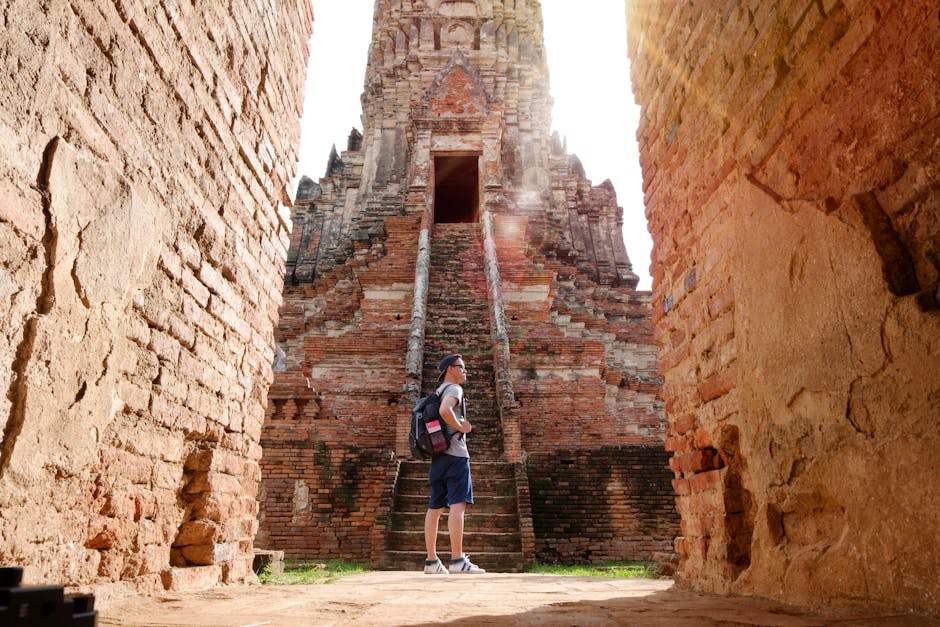
Why History Travel Works So Well for Elementary-Age Kids (The Science Behind It)
Children between ages 6 and 12 are in what developmental psychologists call the concrete operational stage — a time when they learn best through tangible, hands-on experiences rather than abstract concepts. A 2024 longitudinal study published in the Journal of Environmental Education found that children who participated in at least two culturally immersive travel experiences before age 12 demonstrated 34% higher retention of historical knowledge compared to peers who only received classroom instruction. That’s not a small gap.
In 2026, with AI-powered learning apps everywhere, it might feel like a museum visit is “old school.” But here’s the counterintuitive truth: physical, multisensory environments activate the hippocampus — the brain’s memory center — far more effectively than screen-based learning. When your child touches a centuries-old stone wall, smells the incense at a traditional temple, or watches a blacksmith demonstration, their brain is essentially recording that experience in high definition.
The sweet spot for elementary schoolers? Sites that combine visual storytelling + interactive elements + short walking distances. Anything that demands more than 45 minutes of standing still is a recipe for meltdown, no matter how fascinating the curator finds it.
Choosing the Right Destination: What Actually Works vs. What Looks Good on Paper
Not all historical sites are created equal for young travelers. A stunning but entirely roped-off palace with no interactive component can feel like a prison to a 9-year-old. Here’s the framework I recommend when evaluating destinations:
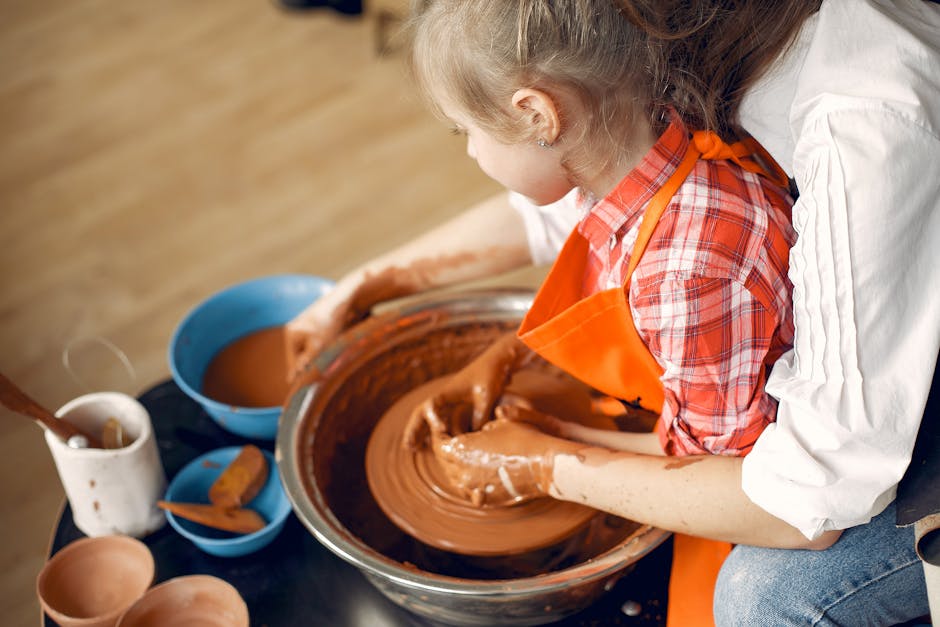
- Touchable history: Does the site allow kids to participate — try on armor, grind grain, fire pottery? Hands-on workshops are worth three audio guides.
- Story-driven narrative: Are there clear characters and stories tied to the place? Kids connect to people, not to dates. “This is where a 12-year-old soldier once stood” beats “Built in 1392” every time.
- Manageable scale: A focused village or single historic district beats a sprawling national museum complex for kids under 10. Think depth over breadth.
- Kid-friendly infrastructure: Restrooms, shaded rest areas, nearby food options — these aren’t luxuries, they’re logistics that determine whether everyone survives the afternoon.
- Proximity to nature: Combining a historical site with a nearby park, river, or open field gives kids a place to decompress between absorbing new information.
Domestic & International Destinations Worth Considering in 2026
Let’s look at some real-world examples that consistently deliver for families with elementary-age children:
📍 Gyeongju, South Korea — Often called “the museum without walls,” Gyeongju is extraordinary because history literally spills out of the ground. Royal burial mounds sit alongside convenience stores. Kids can ride bikes between ancient tumuli, visit hands-on cultural centers where they make traditional crafts, and eat street food steps away from thousand-year-old pagodas. The Silla History Science Museum now offers (as of 2026) a fully updated AR experience that overlays ancient city reconstructions onto your phone camera — genuinely captivating for digitally fluent kids.
📍 Colonial Williamsburg, Virginia, USA — This is the gold standard for living history museums. Every single interpreter is in character, every building is functional, and kids can participate in blacksmithing, printing, and cooking demonstrations. The format is built for children, with specific “Junior Interpreter” programs running throughout 2026. The genius here is that history feels like play.
📍 Rothenburg ob der Tauber, Germany — A medieval walled town so well-preserved it looks like a film set. The Night Watchman’s tour is specifically designed for families and runs at dusk — it’s theatrical, slightly spooky in the best way, and told entirely as a first-person narrative. For kids who love fantasy novels, this is essentially stepping inside one.
📍 Hoi An, Vietnam — A UNESCO World Heritage town where the history is woven into daily life. Lantern-making workshops, tailor visits, traditional cooking classes — the interactive culture here is embedded at every corner. It’s also one of the most affordable family destinations in Asia, which matters when you’re factoring in activities for multiple children.
Practical Planning: Building a Trip That Actually Runs Smoothly
Here’s where most well-intentioned families stumble — the gap between a beautiful itinerary and a realistic one. A few principles I’ve found genuinely useful:
- The 2-3 rule: Plan no more than 2-3 main activities per day. Elementary kids need downtime to process experiences, not a packed schedule that turns everything into a blur.
- Pre-trip storytelling: Read a picture book or watch a short documentary about the destination before you go. When kids arrive with context, their curiosity activates immediately. They’re looking for what they already know.
- Give them a mission: A small travel journal or scavenger hunt list (“Find three things older than your grandparents’ grandparents”) transforms passive sightseeing into active exploration.
- Budget for workshops: Interactive experiences cost more than passive ones, but the ROI in engagement and memory is enormous. Prioritize one hands-on workshop per destination over three standard museum entries.
- Timing is everything: Visit major sites early morning or late afternoon to avoid crowds. An overwhelmed, overstimulated child can’t absorb anything meaningful.
Realistic Alternatives for Different Budgets and Circumstances
Not every family can hop on a plane to Europe or Southeast Asia, and that’s genuinely okay — great history and culture travel doesn’t require a passport or a large budget. Here are some realistic alternatives worth considering:
If international travel isn’t feasible right now, look at your own region with fresh eyes. Most countries have undervisited historical towns within a 2-3 hour drive that locals take for granted. A 19th-century industrial heritage site, a reconstructed indigenous village, or even a well-curated local history museum with participatory exhibits can deliver the same developmental benefits as a headline destination. The key ingredient isn’t the prestige of the location — it’s the quality of the story and the degree of engagement.
For families with very limited time, consider a day trip framework: pick one focused historical neighborhood in your nearest city, design a walking route around 3-4 specific stories (not monuments — stories), pack lunch, and treat it like a full expedition. Kids respond to intentionality. When you say “today we’re explorers on a mission,” a local cemetery from the 1800s becomes an adventure.
If budget is tight, many national parks, heritage sites, and living history museums offer free family days, educator passes, or reduced admission for residents. In 2026, most major cultural institutions also have solid digital pre-visit resources — virtual tours, illustrated timelines, downloadable activity sheets — that can meaningfully deepen even a single-day visit.
The real takeaway here is this: the goal isn’t to expose your child to the most impressive historical sites. It’s to help them develop a relationship with history — a sense that the past is full of real people, real choices, and real consequences that connect directly to the world they’re growing up in. That’s a gift that compounds over a lifetime.
Editor’s Comment : As someone who thinks a lot about how we learn and grow, I genuinely believe that one well-planned history trip with your elementary schooler will do more for their curiosity and empathy than an entire semester of social studies. The trick is resisting the urge to cram in everything, and instead choosing depth over breadth — one great story told well, in a place where they can actually feel it. Start small, follow their curiosity, and let the trip surprise you both.
태그: [‘history travel with kids’, ‘family cultural travel 2026’, ‘elementary school travel activities’, ‘educational family trips’, ‘living history museums’, ‘hands-on learning travel’, ‘kids heritage travel’]
Leave a Reply