A few months ago, a friend of mine came back from a solo trip to the Korean countryside looking absolutely refreshed — not the kind of refreshed you get from a spa day, but the deep, bone-level kind that only comes from genuine discovery. When I asked where she went, she named a village I’d never heard of, despite having lived in Korea for years. That conversation sent me down a rabbit hole of research, local travel forums, and conversations with regional tourism boards, and what I found genuinely surprised me.
Korea’s most beloved destinations — Jeju Island, Gyeongju, Bukchon Hanok Village — are iconic for good reason. But in 2026, with domestic travel surging by approximately 18% year-over-year according to the Korea Tourism Organization’s latest quarterly report, the crowds at those spots have reached a tipping point. Ticket queues, packed parking lots, and over-commercialized street food stalls can drain the magic fast. So let’s think about this together: what if the best Korean travel experiences aren’t the ones on every itinerary?
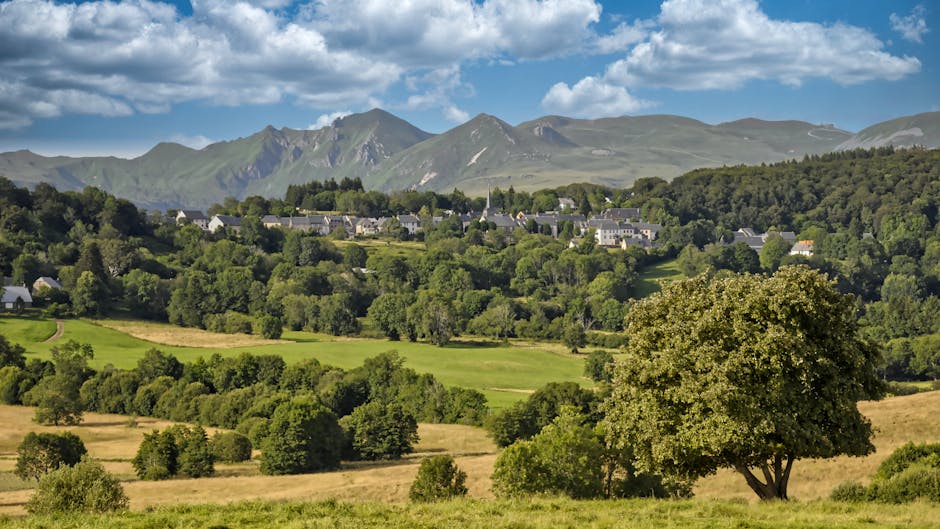
1. Gurye, South Jeolla Province — Korea’s Slow-Living Capital
Nestled at the foot of Jirisan, Korea’s first national park, Gurye (구례) is a masterclass in understated beauty. The town itself has a population of under 27,000, yet it hosts one of the most spectacular cherry blossom corridors in the country along the Seomjingang River — and barely a fraction of the tourists who swarm Jinhae each spring. The 2026 Seomjingang Cherry Blossom Festival (typically early April) is genuinely worth planning around.
- Stay: Small guesthouses along Sansuyu Village offer rooms from ₩60,000/night
- Eat: Wild mountain herb bibimbap is hyper-local and deeply satisfying
- Do: The Jirisan둘레길 (Dulle-gil) trail system has 22 sections — pick just one for a half-day hike
- Best for: Solo travelers, couples seeking quiet, nature photographers
2. Uljin, North Gyeongsang Province — The Underdog Coastal Town
While Gangneung and Sokcho dominate East Coast travel content, Uljin quietly offers cleaner water, less congested beaches, and the extraordinary Sungnyu Cave — one of Korea’s largest limestone caves, yet strangely absent from most travel blogs. The drive along Route 7 through Uljin is legitimately one of the most scenic coastal roads in Northeast Asia, according to several international travel journalists who covered it in early 2026.
3. Boeun, North Chungcheong Province — Pine Forest Therapy
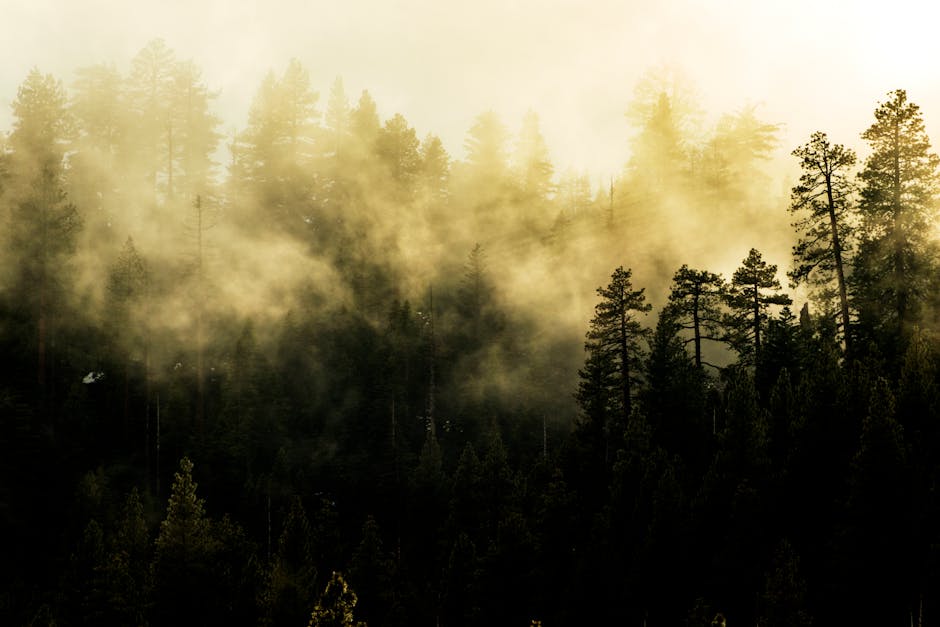
Boeun’s Songnisan National Park is reasonably well-known, but the town itself — and especially the Beopjusa Temple complex — is almost always experienced as a day trip from Daejeon, meaning most visitors miss the forest bathing trails that open at dawn. Staying overnight in the temple stay program (약 ₩80,000 for a two-day program including meals) completely transforms the experience. Forest therapy, or shinrin-yoku as the Japanese popularized the concept, has measurable effects on cortisol reduction — and Boeun’s dense pine canopy is among the best environments for it in Korea.
4. Yeongyang, North Gyeongsang Province — Korea’s Stargazing Mecca
Here’s a data point that still surprises people: Yeongyang County has the lowest light pollution levels of any inhabited area in South Korea, officially recognized as an International Dark Sky Reserve. In 2026, with urban light pollution worsening in Seoul and other major cities, this matters more than ever. The Yeongyang Firefly Ecology Park and the nearby stargazing observatory draw a small but passionate community of astronomers and romantics. On a clear night, the Milky Way is visible with the naked eye — something most Koreans under 40 have genuinely never experienced.
5. Hampyeong, South Jeolla Province — The Butterfly Festival Town
Hampyeong is perhaps most famous for its annual Butterfly Festival, but what locals know and visitors overlook is that the surrounding wetlands and eco-forest are extraordinary year-round. The Hampyeong Eco Park has invested heavily in sustainable tourism infrastructure since 2023, with accessible walking paths, insect biodiversity tours, and a surprisingly excellent regional food market every weekend.
6. Jeongseon, Gangwon Province — Rail Bike Capital of Korea
If you’ve only heard of Jeongseon in the context of the 2018 Winter Olympics, you’re missing the real story. The town’s 레일바이크 (rail bike) experience along a decommissioned mountain railway is genuinely unique — you pedal a four-wheeled cart through tunnels and over river bridges with mountain scenery on all sides. For families or groups, it’s one of the most memorable few hours you can spend in Korea. Jeongseon also has a traditional five-day market (장날) that rotates dates — check ahead, because the local gondre namul rice and corn makgeolli sold there is as authentic as Korean food gets.
7. Taean, South Chungcheong Province — The Coastal Park That Gets Overlooked
Taean National Marine Park stretches over 377 square kilometers of coastline, islands, and tidal flats — and yet most Koreans will point you toward Jeju or Busan for a beach trip. Taean’s beaches like Mallipo and Mongsanpo are wide, white-sand, and significantly less crowded than their southern counterparts. The clam digging experience (조개잡이) on the tidal flats is a hands-on, deeply Korean activity that families with children especially love.
Realistic Alternatives: Matching Your Personality to the Right Destination
Not everyone is ready to go fully off-grid, and that’s completely valid. Here’s a practical framework for thinking about which of these spots fits your travel style:
- You want beauty without effort: Gurye or Taean — both are accessible by public transport and have decent hospitality infrastructure
- You want a genuine challenge or adventure: Jirisan in Gurye or the Jeongseon rail bike plus hiking combo
- You want cultural depth: Boeun’s temple stay or Jeongseon’s traditional market
- You want to completely unplug: Yeongyang — seriously, the lack of light pollution also coincides with genuinely slow internet, which is either a crisis or a blessing depending on your mindset
- You’re traveling with kids: Hampyeong’s butterfly park or Taean’s tidal flat activities
One practical note: most of these destinations are easiest to reach by car or intercity bus. Korea’s intercity bus network (시외버스) is underrated — it’s affordable, punctual, and reaches towns that KTX and subway maps simply don’t. Apps like Bustago (버스타고) or Kobus are your friends here.
The broader point worth sitting with is this: Korea’s tourism infrastructure has matured to the point where the country’s lesser-known places are no longer rough around the edges. You don’t have to sacrifice comfort for authenticity anymore — you just have to be willing to look slightly further than the first page of search results.
Editor’s Comment : The best trips I’ve taken in Korea have almost never been to the places I initially planned. There’s something genuinely exciting about showing up somewhere small and realizing that the locals are almost surprised — and then quietly delighted — that you made the effort. In 2026, when algorithm-driven travel recommendations are more homogenized than ever, choosing the road slightly less traveled isn’t just romantic advice. It’s practically the only way to have a travel experience that feels truly yours.
태그: [‘hidden gems Korea 2026’, ‘underrated Korean travel destinations’, ‘domestic travel Korea’, ‘off the beaten path Korea’, ‘Korean countryside travel’, ‘Korea travel guide 2026’, ‘slow travel Korea’]
📚 관련된 다른 글도 읽어 보세요
- Local Travel Hot Spots 2026: Why ‘Slow Tourism’ in Hidden Neighborhoods Is Beating the Crowds
- Best Safe & Fun Southeast Asia Family Travel Destinations in 2026: A Practical Guide for Worry-Free Adventures
- Best Domestic Family Travel Destinations in Korea for 2026: Where to Go and Why It Actually Makes Sense
Leave a Reply