Category: Uncategorized

  • Local Travel Hot Spots 2026: Why ‘Slow Tourism’ in Hidden Neighborhoods Is Beating the Crowds

    Last spring, a friend of mine spent three days in a small coastal town in Portugal that barely had 2,000 residents. No Instagram-famous cliffs, no Michelin-starred restaurants — just a fish market that opened at 5 a.m., a bakery run by a 70-year-old grandmother, and a hiking trail that led to a viewpoint only the locals knew about. She came back completely transformed. ‘I actually rested,’ she told me. In 2026, that feeling — the one you can’t get from a packed tourist corridor — is exactly what travelers are chasing. Welcome to the era of 로컬 여행 핫플레이스 (local travel hot spots), reimagined for a world that’s finally learned to slow down.
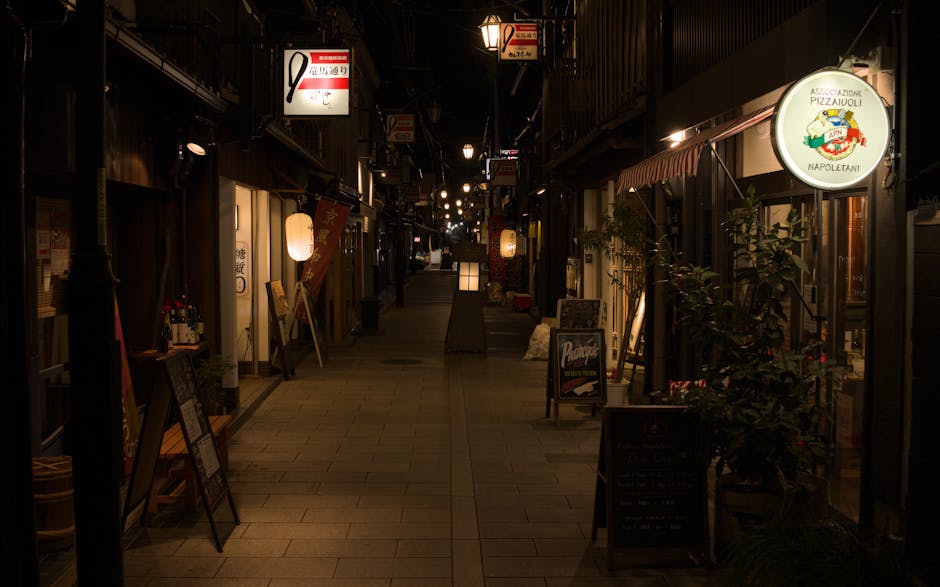
    slow travel local neighborhood hidden gem 2026

    Why Local Travel Is Dominating in 2026

    The numbers are telling a fascinating story. According to the 2026 Global Travel Sentiment Index published by Skift Research, 67% of millennial and Gen Z travelers now actively prioritize ‘off-the-beaten-path’ experiences over traditional landmark tourism — a sharp jump from 48% just four years ago. More strikingly, average trip durations in hyper-local destinations have increased to 4.2 nights compared to the 2.1-night average for major city tourism. People aren’t just passing through anymore; they’re settling in.

    There’s a logistical reason behind this shift too. Overtourism penalties — including entry caps in places like Barcelona’s Gothic Quarter, Kyoto’s Gion district, and Thailand’s Maya Bay — have effectively pushed curious travelers to rethink their itineraries. When your first-choice destination has a 3-month advance booking requirement, the charming town two hours away suddenly looks a lot more appealing. And honestly? Most people are finding it’s the better deal.

    Economists call this ‘tourism displacement’, but travelers are calling it a revelation. Local tourism also tends to be gentler on the wallet — the 2026 Lonely Planet Traveler Survey found that hyper-local trips average 31% lower daily spending while reporting 22% higher satisfaction scores than equivalent urban tourism packages.

    Global and Domestic Examples Worth Watching Right Now

    Let’s ground this in real places, because abstract trends only take us so far.

    Internationally: The Faroe Islands — once considered too remote — have become a masterclass in managed local tourism. Their ‘Closed for Maintenance, Open for Voluntourism’ program, now in its ninth year, caps visitors at 5,000 per season and requires tourists to contribute one day of trail maintenance. The result? A waiting list, a thriving local economy, and trails that are actually in better shape than five years ago. Similarly, Tbilisi’s Fabrika district in Georgia has quietly evolved into one of Europe’s most compelling local-culture destinations, where Soviet-era factory buildings now house micro-breweries, independent designers, and communal gardens — all rooted in neighborhood identity rather than tourist packaging.

    In South Korea, the 로컬 여행 (local travel) movement has found particularly fertile ground. Areas like Euljiro’s print district in Seoul and the Gamcheon Culture Village in Busan have long been cited, but the real 2026 story is happening in smaller cities: Gunsan (군산) with its Japanese colonial-era architecture and indie café culture, and Andong (안동), which is turning its traditional hahoe village heritage into immersive multi-day cultural stays rather than day-trip photo stops. The Korea Tourism Organization’s 2026 Local Discovery Program has funneled ₩48 billion into supporting exactly these kinds of experiences.

    What Makes a Destination a True Local Hot Spot in 2026?

    Not every ‘hidden gem’ label is earned. Here’s what actually separates a genuine local hot spot from a rebranded tourist trap:

    • Community ownership: Local businesses, not hotel chains or outside investors, are the primary economic beneficiaries. Look for family-run guesthouses, neighborhood food markets, and locally guided tours.
    • Cultural texture you can participate in: The best local spots offer something to do alongside locals — a morning market, a craft workshop, a community festival — not just something to photograph.
    • Sustainable visitor capacity: The destination has thought about how many visitors it can absorb without degrading what makes it special. This might be formal (entry quotas) or informal (seasonal timing).
    • Authentic food ecosystems: If the restaurant menus near the main square look suspiciously similar to tourist menus in every other country you’ve visited, that’s a red flag. Genuine local spots have food that would confuse or challenge a newcomer — in the best possible way.
    • Slow infrastructure: Walking paths, bicycle rentals, and public transit connections rather than tour bus drop-off zones. How a destination moves people around reveals its philosophy.
    • A reason to stay more than one night: Real local character takes time to unfold. If everything ‘worth seeing’ can be done in three hours, it might be a scenic stop rather than a local travel destination.
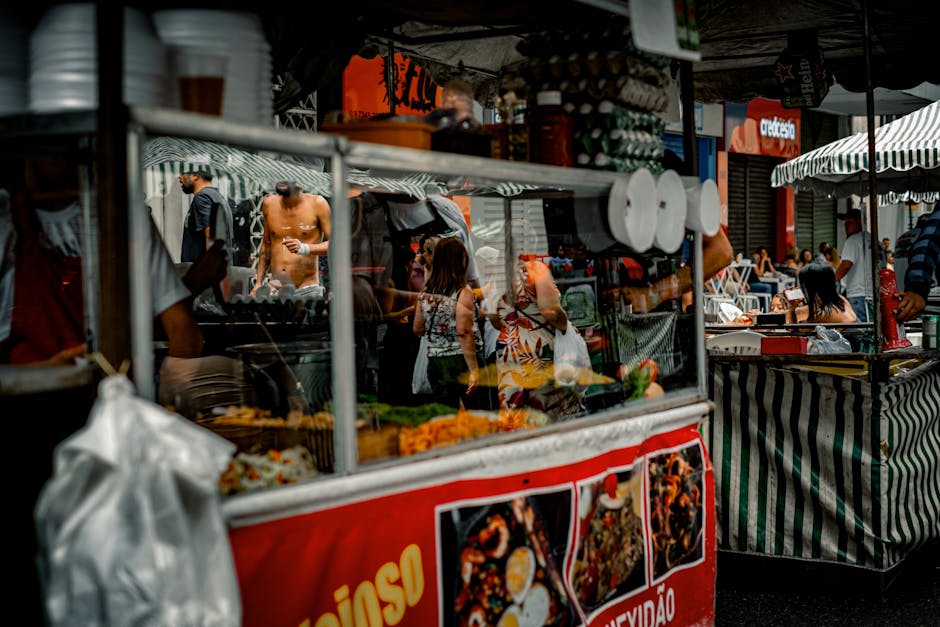
    local market community travel neighborhood authentic food experience

    Practical Alternatives: Making Local Travel Work for Your Situation

    Not everyone can fly to Georgia or spend a week in a Korean countryside village. But the local travel philosophy is remarkably adaptable — and here’s where I’d encourage you to think creatively about your own context.

    If you’re budget-constrained: Local travel is actually your best friend financially. Consider domestic micro-trips — towns within 2–3 hours of your home city that you’ve never properly explored. The infrastructure is familiar, language isn’t a barrier, and accommodations in smaller towns are often 40–60% cheaper than equivalent urban stays. The ‘local hot spot’ might be a town you’ve driven past on the highway for years.

    If you have limited time (long weekends only): Don’t fight it — lean into it. A 2-night stay in a genuine local destination will almost always feel more restorative than a rushed 4-city European sprint. Depth over breadth is the 2026 traveler’s mantra. Pick one place and actually inhabit it.

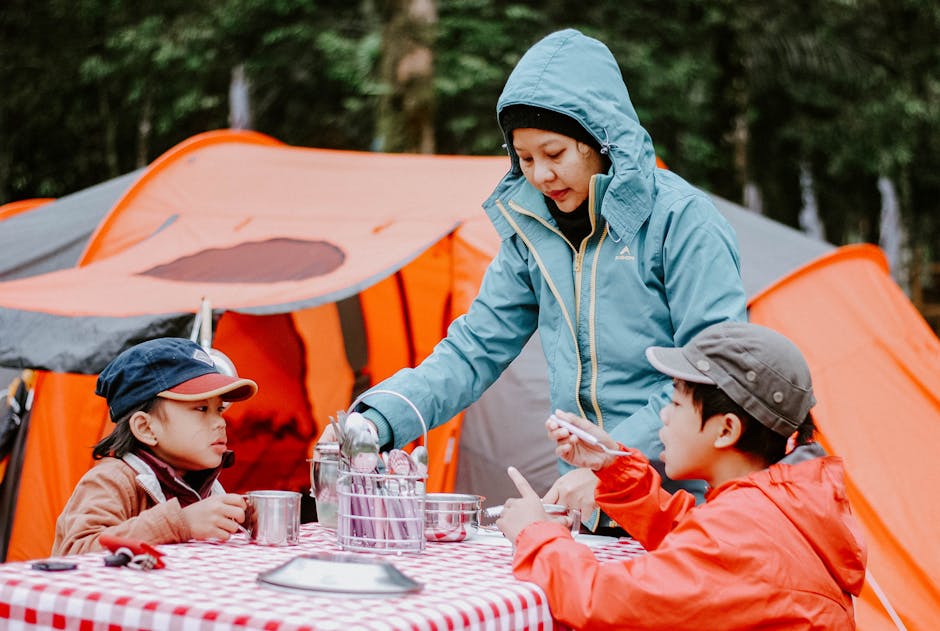
    If you’re traveling with family or groups: Local destinations often offer the best mix for diverse interests. A food market entertains the foodies, a hiking trail satisfies the active travelers, and a well-preserved neighborhood gives cultural depth for the history lovers — all within walking distance of each other, without the coordination nightmare of a major city itinerary.

    If you’re worried about missing out on ‘the big stuff’: Here’s a perspective shift worth trying — the ‘big stuff’ (Eiffel Tower, Colosseum, etc.) will still be there next time. But a specific grandmother’s bakery, a neighborhood jazz festival, or a harbor at sunrise before the fishing boats leave? That exact version of it won’t repeat. Local travel trades the reproducible for the irreplaceable.

    Editor’s Comment : The real magic of local travel in 2026 isn’t that the destinations are secret — it’s that they require you to show up as a participant rather than a spectator. The hot spots worth seeking aren’t marked on the front page of any algorithm; they’re found by slowing down enough to notice them. Start smaller than you think you need to, stay longer than feels efficient, and talk to someone who actually lives there. That’s the whole playbook.

    태그: [‘local travel 2026’, ‘slow tourism’, ‘hidden gem destinations’, ‘off the beaten path’, ‘sustainable travel’, ‘로컬 여행’, ‘travel hot spots 2026’]
  • 로컬 여행 핫플레이스 2026 — 서울 말고, 진짜 한국을 만나는 숨겨진 여행지 7곳

    얼마 전 지인이 이런 말을 했어요. “제주도는 이제 너무 많이 가봐서 설레지 않는다”고. 아마 많은 분들이 공감하실 것 같습니다. 해외여행 수요가 다시 살아난 2026년이지만, 역설적으로 ‘진짜 로컬 경험’을 찾는 여행자들의 움직임도 그 어느 때보다 강해졌어요. 인스타그램에서 수백만 번 공유된 명소가 아닌, 동네 주민들이 일상으로 쓰는 골목, 오래된 시장, 이름 없는 뷰포인트를 찾아다니는 트렌드 — 이른바 ‘하이퍼 로컬 여행(Hyper-Local Travel)’이 2026년 국내 여행 키워드로 단단히 자리 잡고 있다고 봅니다.

    오늘은 대형 여행 플랫폼의 ‘추천 여행지’ 알고리즘에서 벗어나, 실제로 발품 팔아 찾아낸 2026년 로컬 여행 핫플레이스를 함께 살펴볼게요.

    Korea local travel alley neighborhood hidden gem 2026

    📊 숫자로 보는 2026 로컬 여행 트렌드

    한국관광공사가 2026년 1분기에 발표한 국내 여행 소비 패턴 분석에 따르면, 수도권·제주·부산 이외의 지역(이른바 ‘비빅3 지역’)을 목적지로 설정한 여행 검색량이 전년 대비 약 34% 증가했다고 합니다. 특히 20~35세 밀레니얼·Z세대에서 이 수치가 두드러지는데, 이들은 여행지 선택 기준 1위로 ‘덜 알려진 곳'(41.2%)을 꼽았어요. ‘맛집'(28.7%)이나 ‘자연 경관'(18.4%)보다 훨씬 높은 수치라는 점이 흥미롭습니다.

    또한 국내 숙박 예약 플랫폼 데이터 기준으로, 전남·경북·충청 지역 소규모 게스트하우스와 한옥 숙소 예약률이 2025년 대비 평균 27% 상승했어요. 단순히 ‘한 번 가보는’ 여행이 아니라, 며칠씩 머물며 지역 문화에 스며들고 싶다는 수요가 반영된 결과라고 볼 수 있습니다.


    🌍 해외는 어떻게 하고 있을까? — 국내외 로컬 여행 사례

    일본에서는 이미 수년 전부터 ‘지방 창생(地方創生)’ 정책과 맞물려 시마네현, 돗토리현처럼 인구 소멸 위기에 놓인 지방 소도시를 여행 콘텐츠로 재탄생시키는 움직임이 활발했어요. 그 결과 돗토리 사구(砂丘)는 물론, 이름조차 생소했던 아마초(海士町) 섬이 ‘슬로 라이프 여행지’로 전 세계 여행자들에게 주목받게 됐습니다.

    국내에서도 비슷한 흐름이 감지되고 있어요. 경북 의성은 ‘마늘의 고장’이라는 이미지를 넘어, 빈 집을 개조한 복합 문화 공간과 로컬 푸드 투어를 결합한 ‘의성 슬로시티 프로젝트’가 2025년 하반기부터 입소문을 타기 시작했습니다. 전남 고흥 역시 우주발사체 나로호의 발사 기지가 있는 ‘항공우주 체험 관광’ 콘셉트로 가족 여행객을 끌어모으고 있고요.


    🗺️ 2026년 꼭 가봐야 할 로컬 여행 핫플레이스 7곳

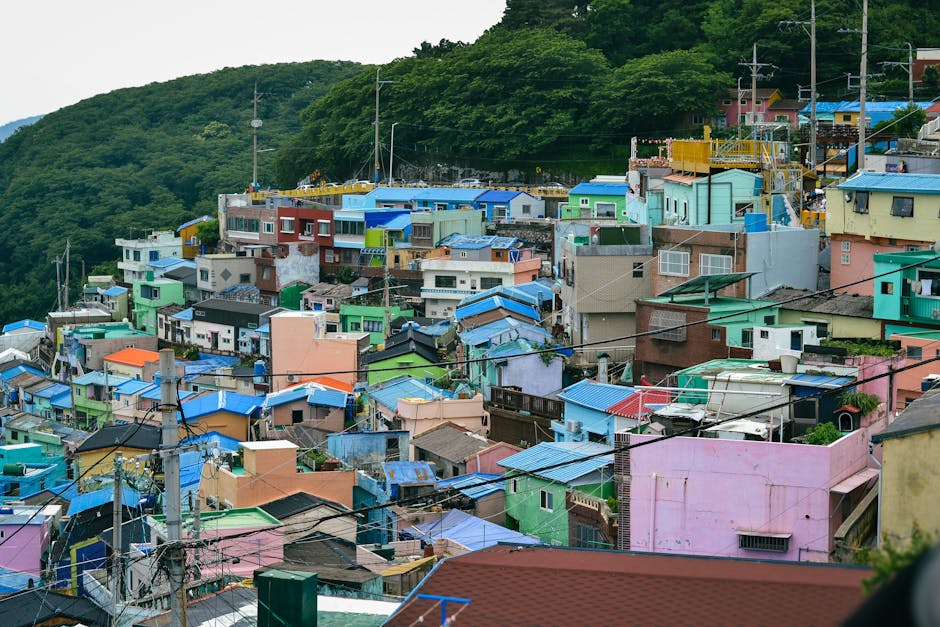
    South Korea hidden travel spots map local village scenic 2026
    • 경북 봉화 — 은둔자의 마을: 국내에서 인구밀도가 가장 낮은 군 중 하나로, 오염되지 않은 밤하늘과 청정 계곡이 압도적입니다. 2026년 들어 ‘디지털 디톡스 캠프’를 운영하는 독립 숙소들이 속속 생겨나고 있어요.
    • 충남 서천 — 국립생태원 주변 습지 마을: 국립생태원만 보고 떠나기엔 너무 아까운 곳이에요. 서천 한산모시마을과 연계한 공예 체험, 그리고 금강 하구에서 즐기는 철새 탐조 투어가 로컬 여행자들 사이에서 조용히 인기를 끌고 있습니다.
    • 전북 진안 — 마이산과 고원 카페 거리: 마이산은 오래전부터 알려진 명소지만, 진안고원 일대에 최근 2~3년 사이 감각적인 독립 카페와 로컬 브루어리가 클러스터를 이루며 새로운 감성 여행지로 탈바꿈했어요.
    • 강원 양양 서핑 너머 — 현북면 로컬 마을: 양양이라고 하면 서핑만 떠올리기 쉽지만, 서핑 스팟에서 차로 15분만 들어가면 두부 공방, 야생초 된장 농가, 전통 가마 도예 공방이 즐비한 조용한 시골 마을이 나옵니다.
    • 경남 합천 — 한국의 티베트: 해인사로 유명하지만, 황매산 철쭉 시즌이 지난 후 방문하면 관광객 없는 고요한 절경을 독차지할 수 있어요. 2026년엔 해인사 템플스테이가 외국인 여행자에게도 주목받으면서 예약이 빨리 차는 편입니다.
    • 인천 강화도 — 교동도 대룡시장: 섬 안의 섬, 교동도에 있는 대룡시장은 실향민들이 고향 황해도 연백을 그리며 만든 1960년대 분위기 그대로의 시장입니다. 시간이 멈춘 듯한 풍경이 무척 이색적이에요.
    • 전남 담양 — 죽녹원 너머 창평 슬로시티: 담양 죽녹원은 익히 알려져 있지만, 조금 더 들어가면 아시아 최초 슬로시티 중 하나인 창평면이 있어요. 한과 체험, 돌담길 산책, 장류 농가 방문이 가능한 진정한 로컬 체험 코스라고 봅니다.

    💡 로컬 여행, 더 잘 즐기는 법

    로컬 여행의 핵심은 ‘계획의 밀도를 낮추는 것’이라고 생각해요. 빡빡하게 동선을 짜면 오히려 그 지역의 결을 느끼기 어렵거든요. 하루에 한두 개의 목적지만 정해놓고, 나머지는 현지에서 발견하는 방식으로 여행하면 생각지도 못한 장면을 만나게 되는 경우가 많습니다.

    또한 숙소를 고를 때 대형 체인 호텔보다는 지역 주민이 운영하는 소규모 게스트하우스나 한옥 민박을 선택하는 것이 로컬 경험을 배로 높여준다고 봅니다. 아침에 주인장이 직접 차려주는 된장찌개 한 그릇이 여행의 기억으로 훨씬 오래 남거든요.


    에디터 코멘트 : 2026년의 여행은 ‘어디를 갔느냐’보다 ‘어떻게 머물렀느냐’로 기억되는 시대인 것 같습니다. 알고리즘이 추천하지 않는 곳, 지도 앱에서 리뷰가 적은 곳일수록 오히려 더 진한 이야기가 남아 있더라고요. 이번 주말, 내비게이션보다 발걸음을 먼저 믿어보는 여행을 한번 떠나보시는 건 어떨까요?

    태그: [‘로컬여행’, ‘2026여행트렌드’, ‘국내여행핫플레이스’, ‘하이퍼로컬여행’, ‘숨겨진여행지’, ‘국내여행추천’, ‘슬로시티여행’]

  • Family Camping for Beginners in 2026: The Complete Guide to Your First Outdoor Adventure

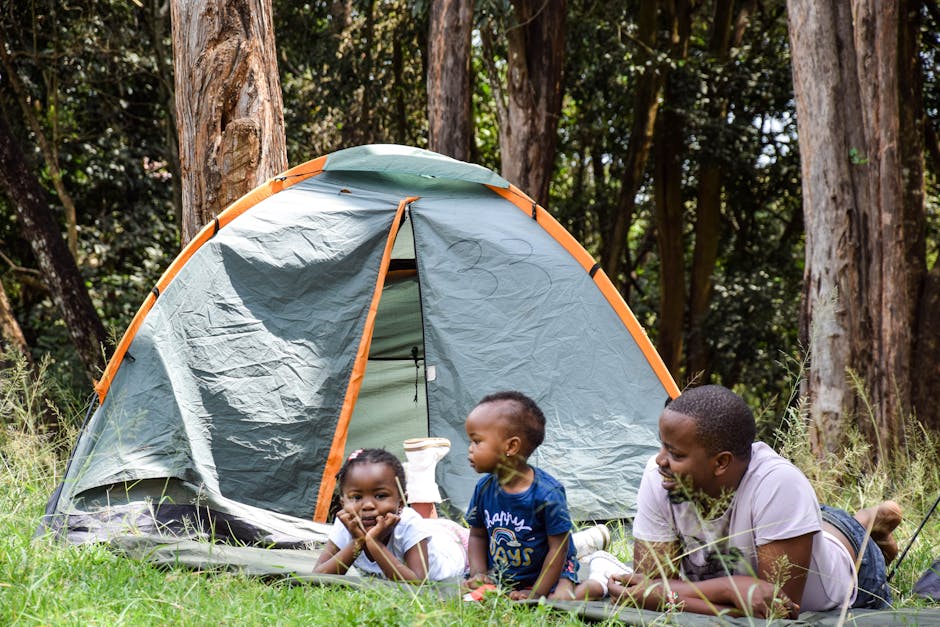
    Picture this: it’s a cool Friday evening, and instead of the usual Netflix-and-takeout routine, your family is gathered around a crackling fire, roasting marshmallows, and actually talking — like, really talking — without a single phone notification interrupting the moment. Sounds almost impossibly wholesome, right? That was exactly how my neighbor described her family’s first camping trip last spring. She’d been terrified of “roughing it” with two kids under eight, but three months later, she’s already booked their fourth trip for this summer.

    If you’re reading this in 2026 and wondering whether family camping is worth the logistical headache, let’s think through it together. Spoiler: with the right prep, it absolutely is.

    family camping tent sunset forest children happy

    Why Family Camping Is Surging in 2026

    The outdoor recreation industry has seen remarkable momentum heading into 2026. According to the Outdoor Foundation’s tracking data, over 52 million American households participated in some form of camping in 2025 — a number that’s held strong post-pandemic as families continue prioritizing “experience spending” over material goods. The trend is similar globally: South Korea’s camping (캠핑) culture has exploded, with over 700 registered glamping and auto-camping sites nationwide. European families, particularly in Germany and the Netherlands, have long normalized camping as a multi-generational ritual.

    The shift in 2026 is particularly interesting: camping gear has gotten smarter, lighter, and significantly more beginner-friendly. You no longer need to be a wilderness expert to pull off a comfortable family trip. That said, knowing what to plan for is still half the battle.

    The Real Costs of Family Camping (What Nobody Tells You)

    Let’s be honest about the numbers before you get starry-eyed. A common beginner mistake is underestimating startup costs. Here’s a realistic breakdown for a family of four:

    • Tent (4-6 person): $80–$350 depending on weather rating and brand. For beginners, a mid-range option like REI’s Passage series or Coleman’s Sundome works well without breaking the bank.
    • Sleeping bags (x4): $40–$120 each. Kids’ versions are widely available now in 2026 with improved insulation for 3-season use.
    • Sleeping pads or air mattresses: $20–$80 per person. Self-inflating pads are a game-changer for comfort.
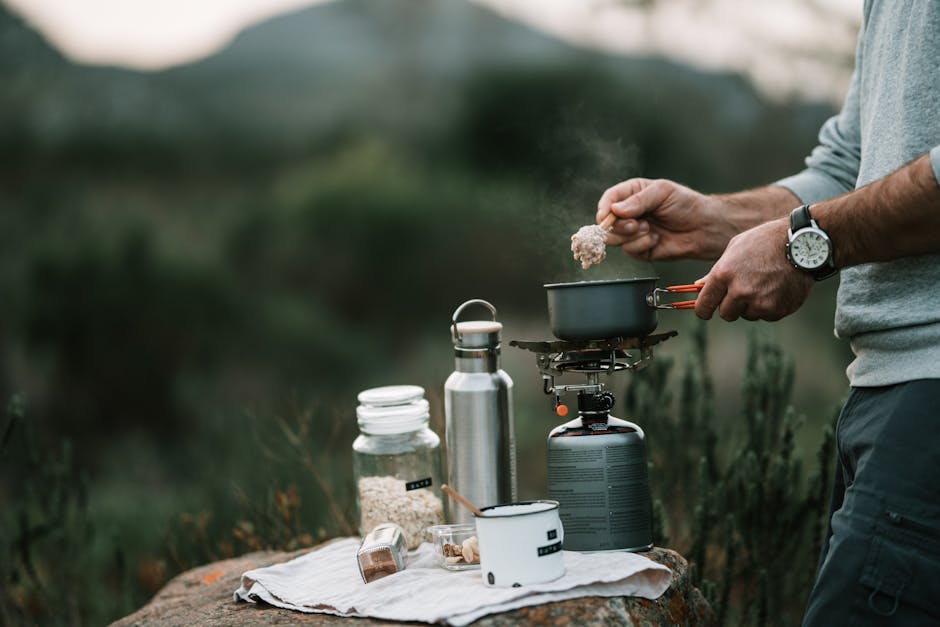
    • Cooking setup (camp stove + cookware): $60–$150. Many campgrounds now have fire grates, but a backup stove is essential.
    • Lighting (headlamps + lantern): $30–$80 total. Solar-charged lanterns have improved dramatically in 2026.
    • Cooler: $40–$200. A quality cooler is worth the investment — it directly affects food safety and meal planning.
    • First aid kit + miscellaneous: $30–$60.

    Total startup investment: roughly $500–$1,200 for quality beginner gear. Yes, that sounds like a lot — but compared to a mid-range hotel stay for four over a weekend ($300–$600 per night in most metros in 2026), you’re breaking even after two or three trips.

    Pro tip: Before buying everything, check if your local REI, MEC (Canada), or outdoor co-op runs gear rental programs. Many do in 2026, and renting for your first trip lets you test what you actually need before committing.

    Choosing Your First Campsite: Domestic & International Examples

    Location choice can make or break a first-timer’s experience. Let’s look at some real-world examples that work well for families:

    In the United States: KOA (Kampgrounds of America) remains one of the most beginner-friendly chains as of 2026, with over 500 locations offering electrical hookups, clean bathrooms, and even camp stores. Their “Deluxe Cabins” option is a fantastic bridge for families who want the camping experience without full gear investment. State parks like Shenandoah (Virginia) or Starved Rock (Illinois) offer well-maintained family loops with ranger-led programs that kids genuinely love.

    In South Korea (캠핑 문화): The Korean auto-camping culture — where you drive directly to your pitch — is one of the most family-friendly in the world. Sites like Namhansanseong Provincial Park near Seoul or Dadohaehaesang National Park in the south offer designated family zones with Wi-Fi and barbecue facilities. Korean camping culture in 2026 has also embraced glamping (glamorous camping) aggressively, with bubble tents and themed sites that make it genuinely accessible for even the most reluctant family members.

    In Europe: France’s network of campings municipaux (municipal campgrounds) offers some of the best value on the continent — often under €25/night with pool access and playgrounds. The Dordogne region is particularly legendary for family camping in summer.

    campsite family cooking breakfast outdoor mountains

    Building Your First Weekend Itinerary

    Rather than a 5-day wilderness expedition, beginners should absolutely start with a 2-night Friday-to-Sunday trip within 2 hours of home. Here’s a simple framework that works:

    • Friday evening: Arrive with daylight. Set up camp as a team — even toddlers can carry small items. This is secretly the most bonding part of the trip.
    • Saturday morning: Easy 1–2 hour hike or nature walk. Check the trail’s difficulty rating in advance — apps like AllTrails (updated with 2026 trail data) are invaluable.
    • Saturday afternoon: Free play time at camp. Frisbees, card games, fishing if available. Resist the urge to over-schedule.
    • Saturday evening: Campfire cooking. Hot dogs and foil-packet meals are classics for a reason. S’mores are non-negotiable.
    • Sunday morning: Pack up slowly, leave no trace, head home before the post-weekend highway rush.

    Safety Considerations Beginners Often Overlook

    This is where we need to think logically, not fearfully. Wildlife encounters, sudden weather changes, and minor injuries are the most common challenges for families. Here’s how to stay ahead:

    • Always check the weather forecast for the specific campsite location (not just the nearest town) 48 hours before departure.
    • Store all food in bear canisters or vehicle trunks — even in campgrounds. This applies to most North American sites and is increasingly required by regulation in 2026.
    • Share your trip itinerary with someone who isn’t going. A simple text with your campsite name, arrival date, and departure date is enough.
    • Teach kids the “hug a tree” protocol: if lost, stay in one place and hug a tree. It dramatically improves search-and-rescue outcomes.

    Realistic Alternatives If Full Camping Feels Like Too Much

    Here’s where I want to be real with you: not every family is ready for ground-sleeping in a tent on Night One, and that’s completely fine. There’s a beautiful spectrum of options in 2026:

    • Glamping: Pre-set luxury tents or safari-style accommodations. Platforms like Hipcamp and Tentrr have exploded in availability. You get the outdoor experience without gear investment.
    • Cabin Camping: Most state and national parks offer basic cabin rentals. You’re still in nature, still cooking over a fire, but sleeping on a real bed.
    • Backyard Camping: Genuinely underrated. Set up a tent in your own yard for a night. Kids get the novelty, you get to walk inside if it rains. Perfect for ages 3–7 as an introduction.
    • RV Rental: Companies like Outdoorsy and RVshare offer peer-to-peer RV rentals. For a first family trip, a Class C RV rental gives you mobility and a bed simultaneously.

    The goal is to find the entry point that actually gets your family outside, not the “purest” version of camping that keeps you at home.


    Editor’s Comment : Family camping in 2026 is genuinely more accessible than it’s ever been — the gear is better, the booking platforms are smarter, and the cultural conversation around outdoor time for kids has never been stronger. But the most important thing I’d tell any first-timer is this: lower your expectations for perfection and raise them for connection. Your tent might leak slightly. Someone will forget the can opener. The kids will complain for exactly 40 minutes before completely falling in love with it. That messy, imperfect weekend in the woods? That’s the one they’ll talk about for years. Start small, stay flexible, and just go.

    태그: [‘family camping 2026’, ‘beginner camping guide’, ‘camping with kids’, ‘outdoor family travel’, ‘first camping trip’, ‘glamping alternatives’, ‘camping gear checklist’]

  • 가족 캠핑 여행 초보자 가이드 2026: 실패 없이 떠나는 첫 번째 캠핑의 모든 것

    지난해 봄, 초등학교 2학년 딸아이가 “아빠, 우리는 왜 캠핑 안 가?”라고 물었다는 이야기를 지인에게 들었어요. 아이 친구들이 캠핑 사진을 SNS에 올리는 걸 보고 온 거였다고 하더군요. 막상 가려고 찾아보니 텐트 종류만 수십 가지, 캠핑 장비 리스트는 끝이 없고, 예약 경쟁은 치열하고… 결국 그 가족은 그해 여름을 그냥 보냈다고 합니다. 이 이야기, 남 얘기처럼 들리지 않는 분들이 꽤 많을 거라고 봐요.

    2026년 현재, 국내 캠핑 인구는 약 700만 명을 넘어선 것으로 추산되고 있어요. 그런데 흥미로운 건, 그중 ‘가족 캠핑’을 목적으로 처음 캠핑에 입문하는 비율이 꾸준히 높아지고 있다는 점이에요. 처음이라 두렵고 복잡하게 느껴지는 게 당연하지만, 사실 핵심만 알면 생각보다 훨씬 쉽게 시작할 수 있답니다. 오늘은 그 핵심을 함께 풀어가 볼게요.

    family camping tent outdoor nature Korea

    📊 본론 1. 숫자로 보는 가족 캠핑 트렌드와 준비 비용

    먼저 현실적인 비용 이야기를 해볼게요. 많은 초보자분들이 “캠핑은 돈이 너무 많이 든다”고 지레 겁먹는 경향이 있는데, 실제로 어느 정도 드는지 구체적으로 살펴보면 조금 다르게 느껴질 수 있거든요.

    2026년 기준으로 국내 캠핑용품 시장 규모는 약 3조 원에 육박한다는 분석이 나오고 있어요. 그만큼 선택지도 다양하고, 가격대도 넓어졌다는 의미예요. 입문용 가족 캠핑 풀세트(텐트 + 침낭 + 매트 + 테이블/의자 기본 세트)를 기준으로 하면, 저가형은 30만~50만 원, 중급형은 80만~150만 원 선에서 구성이 가능해요.

    하지만 처음부터 장비를 모두 살 필요는 없어요. 최근에는 캠핑장에서 장비를 통째로 빌려주는 ‘글램핑형 렌탈 캠핑’이나, 필요한 장비만 골라서 빌릴 수 있는 캠핑 장비 렌탈 플랫폼이 대폭 늘어났거든요. 1박 기준 4인 가족 렌탈 비용은 평균 4만~8만 원 선으로, 첫 번째 캠핑을 ‘실험’해보는 데 훨씬 효율적인 방법이라고 봅니다.

    또한 국립자연휴양림이나 한국관광공사 추천 캠핑장의 경우 1박 사이트 이용료가 1만 5천 원~3만 원 수준으로, 호텔이나 펜션에 비해 숙박 비용 자체는 압도적으로 저렴해요. 결국 초기 장비 구입에 대한 부담만 잘 해결하면, 캠핑은 가성비 높은 가족 여행이 될 수 있어요.

    🌍 본론 2. 국내외 가족 캠핑 사례에서 배우는 것들

    해외 사례를 먼저 보면, 미국의 경우 국립공원 캠핑은 수십 년 된 가족 문화로 자리 잡혀 있어요. 미국 캠핑·RV산업협회(RVIA) 자료에 따르면, 미국 캠퍼 중 약 48%가 자녀를 동반한 가족 캠퍼라고 해요. 특히 ‘캠핑은 아이의 자연 감수성 발달에 효과적’이라는 인식이 굳건히 자리 잡혀 있어서, 어릴 때부터 자연스럽게 경험하게 하는 문화가 형성되어 있죠.

    일본은 또 다른 의미에서 참고할 만해요. 일본의 ‘오토캠프’ 문화는 차량으로 이동해 차 바로 옆에 텐트를 치는 방식인데, 짐을 많이 실을 수 있어 어린 자녀가 있는 가족에게 특히 인기가 높아요. 국내에서도 이 방식이 빠르게 확산 중이에요. 2026년 현재, 오토캠핑 전용 사이트를 운영하는 국내 캠핑장은 전국 1,200여 개소 이상으로 늘어났고, 예약 플랫폼(캠핑톡, 고캠핑 등)을 통해 손쉽게 검색하고 예약할 수 있어요.

    국내 사례로는, 경기도 가평과 강원도 홍천 일대가 가족 캠핑 성지로 꼽히고 있어요. 특히 수도권 접근성이 좋은 가평 자라섬 오토캠핑장은 주말 예약이 2~3주 전에 마감될 정도로 인기가 높죠. 강원도 홍천강 변 캠핑장들은 물놀이와 캠핑을 동시에 즐길 수 있어 여름 성수기에 특히 각광받고 있어요.

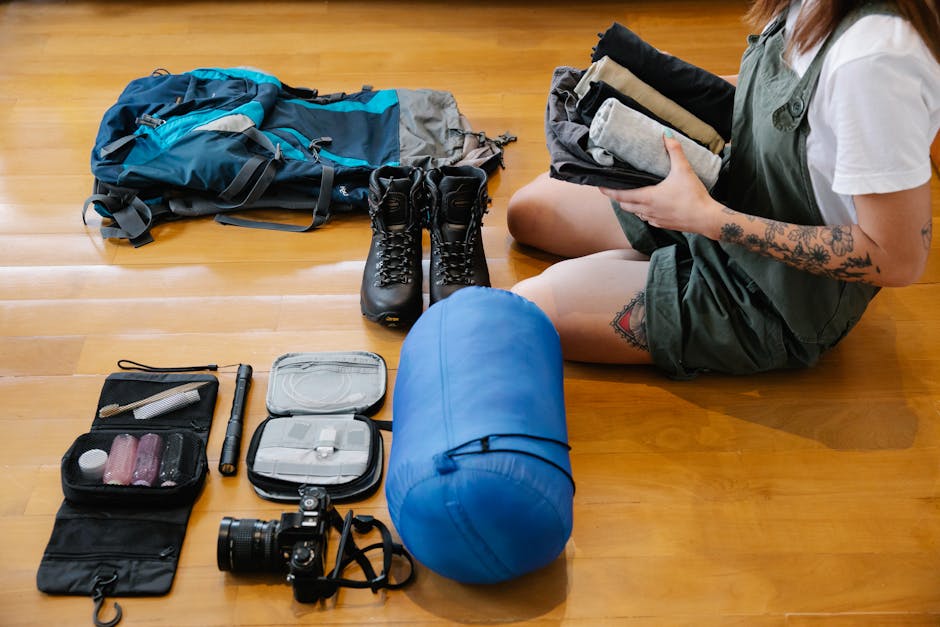
    family camping checklist gear preparation

    🎒 초보 가족 캠퍼를 위한 필수 체크리스트

    막상 뭘 챙겨야 할지 모르겠다는 분들이 많더라고요. 너무 많은 걸 챙기려다 오히려 지치는 경우도 있어서, 꼭 필요한 것만 추려봤어요.

    • 잠자리 관련: 텐트(가족 수 + 1인 여유 사이즈 권장), 침낭 또는 이불, 에어매트 혹은 캠핑 매트
    • 먹거리 관련: 코펠(냄비 세트), 버너 또는 화로, 식기류(가볍고 깨지지 않는 소재), 아이스박스
    • 편의 관련: 캠핑 테이블 & 의자, 랜턴(LED 타입 입문자에게 추천), 타프 또는 차양막
    • 위생 & 안전: 물티슈, 비상 구급약(특히 어린이용 해열제), 모기 기피제, 방충망
    • 아이 전용 준비물: 여벌 옷 2세트 이상, 아이가 좋아하는 간식, 보드게임이나 카드게임(스마트폰 의존도를 낮춰줘요)
    • 날씨 대비: 우비 또는 방수 재킷, 핫팩(봄·가을 일교차 대비), 자외선 차단제
    • 캠핑장 예의: 쓰레기 분리수거 봉투, 소음 자제를 위한 블루투스 스피커 볼륨 기준 숙지

    💡 결론. 완벽한 준비보다 ‘일단 가보는 것’이 더 중요해요

    캠핑을 계획하다 지쳐서 포기하는 분들의 공통점은 ‘완벽하게 준비하려 한다’는 거예요. 물론 안전과 기본적인 준비는 반드시 필요하지만, 처음부터 인스타그램에서 보이는 감성 캠핑을 목표로 삼으면 시작도 전에 지치게 돼요.

    현실적인 대안을 제안드리자면 이렇습니다. 첫 번째 캠핑은 장비 렌탈이 포함된 글램핑이나 캠핑장 내 렌탈 서비스를 이용해보는 것을 강력히 권해드려요. 그 경험을 통해 “우리 가족한테 뭐가 부족했는지”, “어떤 게 불편했는지”를 직접 느끼고 나서 장비를 하나씩 사는 게 훨씬 현명한 소비예요. 캠핑 장비는 한 번 사면 오래 쓰는 만큼, 내 가족 스타일에 맞는 걸 골라야 후회가 없거든요.

    2026년은 캠핑 입문 환경이 그 어느 때보다 잘 갖춰진 시대예요. 렌탈 플랫폼, 예약 앱, 캠핑 커뮤니티, 유튜브 튜토리얼… 도구는 넘쳐나요. 남은 건 용기 있게 한 발 내딛는 것뿐이라고 봅니다.

    에디터 코멘트 : 저도 처음 캠핑을 갔을 때 텐트 폴대 하나를 빠뜨리고 간 적이 있어요. 그날 밤 반쯤 무너진 텐트에서 가족들이 함께 웃었던 기억이, 지금도 제일 선명하게 남아 있어요. 완벽하지 않아도 괜찮아요. 오히려 작은 실수들이 가족 캠핑의 진짜 추억이 되더라고요. 올봄, 용기 내서 한 번 떠나보시길 응원합니다. 🏕️

    태그: [‘가족캠핑’, ‘캠핑초보자’, ‘캠핑준비물’, ‘오토캠핑’, ‘캠핑장추천2026’, ‘아이와캠핑’, ‘캠핑여행가이드’]

  • Hidden Korea: 7 Off-the-Beaten-Path Domestic Travel Destinations You Need to Explore in 2026

    A few months ago, I found myself sandwiched between tour buses at Gyeongbokgung Palace, clutching an iced Americano and wondering — is this really the Korea I wanted to experience? Don’t get me wrong, the iconic spots are iconic for a reason. But after years of writing about travel, I’ve become increasingly convinced that the real soul of Korea lives somewhere quieter, somewhere the tour groups haven’t mapped yet. So I started digging into what travel insiders are calling 국내 오프더비튼패스 여행지 — Korea’s off-the-beaten-path destinations — and what I found genuinely surprised me.

    In 2026, with domestic travel surging thanks to rising international airfare costs and a growing “slow travel” movement among Koreans and expats alike, these hidden corners of the peninsula are finally getting their moment. Let’s explore them together.

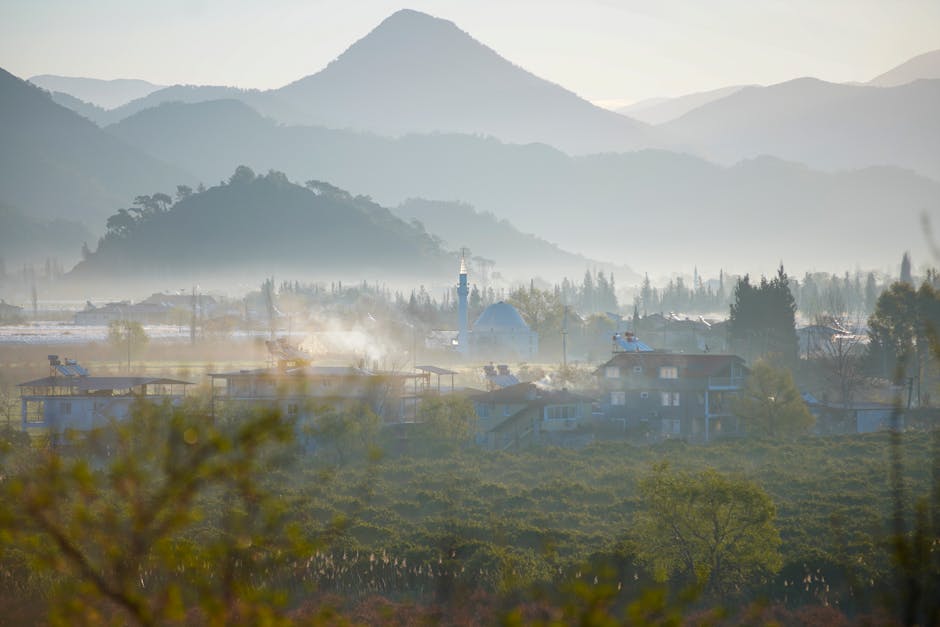
    hidden Korea countryside scenic landscape fog mountains village

    Why Off-the-Beaten-Path Travel Is Having a Moment in 2026

    According to the Korea Tourism Organization’s 2026 domestic travel report, over 62% of Korean travelers surveyed said they actively sought destinations with fewer than 500,000 annual visitors — a dramatic shift from the crowd-chasing behavior of the early 2020s. This isn’t just a trend; it’s a philosophical pivot. People are tired of performative travel (the Instagram-first, experience-second approach) and are leaning into what travel psychologists call “restorative travel” — trips that genuinely recharge rather than exhaust.

    The concept of off-the-beaten-path travel, or 오프더비튼패스 in Korean internet culture, essentially means deliberately avoiding the well-trodden tourist circuit. Think beyond Seoul, Busan, Jeju, and Gyeongju. Think smaller, stranger, and more personal.

    1. Uljin (울진), North Gyeongsang Province — Korea’s Undiscovered Coastline

    While Gangneung gets all the East Sea love, Uljin quietly sits 150km south with arguably more dramatic cliffs, cleaner water, and a fraction of the visitors. The Uljin Buldungsa Trail winds along sea cliffs and connects to a centuries-old Buddhist temple tucked into rock faces. The local king crab (대게) here is legendary — fishermen here will tell you it tastes different because of the deep cold currents, and honestly, after tasting it, I believe them.

    2. Hampyeong (함평), South Jeolla Province — The Butterfly Capital

    Hampyeong is a small agricultural county that reinvented itself with one brilliant idea: a butterfly festival. But beyond the festival (held every spring), Hampyeong offers flat cycling paths through endless rapeseed flower fields, traditional hanok villages, and a pace of life so unhurried it feels almost radical. For urban burnout sufferers — and in 2026, who isn’t one? — this is genuinely therapeutic.

    3. Jeongseon (정선), Gangwon Province — Coal Country Turned Cultural Hub

    Jeongseon was once the heart of Korea’s coal mining industry. Now it’s a fascinating study in post-industrial reinvention. The old rail lines have been converted into railbike routes that curve through mountain gorges with views that’ll make your jaw drop. The traditional five-day market (정선 오일장) is one of the last truly authentic rural markets in the country, where grandmothers sell handpicked mountain greens and homemade corn liquor without a hint of tourist theater.

    4. Gochang (고창), North Jeolla Province — UNESCO Dolmens and Slow Food

    Gochang holds a UNESCO World Heritage site — its prehistoric dolmen fields — yet somehow remains remarkably uncrowded. But the real draw in 2026 is Gochang’s emergence as a slow food destination. The county has invested heavily in agri-tourism, with farm stays where you can harvest naturally grown barley, learn traditional doenjang (fermented soybean paste) making, and sleep in converted farmhouses. It’s the kind of experience you can’t manufacture at a city hotel.

    5. Namhae (남해), South Gyeongsang Province — The Mediterranean of Korea

    Connected to the mainland by bridge, Namhae is an island that somehow still feels like a secret. German Village (독일마을) — a quirky settlement built by Korean miners who worked in Germany in the 1960s — is charming, but Namhae’s real magic is its terraced rice fields, fishing villages, and the Barae Trail, a coastal hiking path consistently rated among Korea’s most scenic by long-distance hikers.

    Namhae terraced rice fields coastal village Korea scenic

    6. Bonghwa (봉화), North Gyeongsang Province — The Last Wild County

    Bonghwa is statistically one of the least-visited counties in Korea, and that’s precisely the point. It’s a place of dense pine forests, wild mushroom foraging, and the Cheongsong-Bonghwa Baekdu Daegan trail sections that serious hikers keep to themselves. The county has almost zero tourist infrastructure — which is either a dealbreaker or a feature, depending on your travel personality. For those who want to feel like they’ve genuinely discovered something, Bonghwa delivers.

    7. Taean (태안), South Chungcheong Province — Sand Dunes and Slow Sunsets

    Most Seoulites know Taean only as a beach day-trip destination, but the Taean Coastal National Park stretches across 77km of coastline with sand dunes (rare in Korea!), pine forests, and tidal flats that host incredible birdwatching. The slower shoulder seasons — early spring and late autumn — transform Taean into something almost meditative. Sunset at Kkotji Beach in October is one of those experiences that defies description.

    Practical Tips for Exploring These Hidden Gems

    • Transportation: Most of these destinations require a car or careful bus planning. Korea’s intercity express bus network (고속버스) is excellent, but the last mile to rural sites often needs a rental car or taxi coordination.
    • Accommodation: Look beyond hotels — hanok stays, farm guesthouses (농가민박), and local pension-style lodges offer far more authentic experiences at comparable prices.
    • Timing: Avoid Korean public holidays (Chuseok, Seollal, Golden Week) even for these lesser-known spots — the “off-the-beaten-path” label disappears fast during peak domestic travel seasons.
    • Language: English signage is limited in most of these areas. A translation app and a downloaded offline Korean map (Naver Maps works better than Google in rural Korea) are essential.
    • Budget: These destinations are generally 20–40% cheaper than major tourist hubs for accommodation and food — another compelling argument beyond the experience itself.

    Realistic Alternatives Based on Your Travel Style

    Not everyone is ready to rent a car and navigate a county with no English signs. That’s completely fair. Here’s how to calibrate:

    If you’re a first-time Korea visitor who still wants something less touristy, consider Andong — it has solid infrastructure, English signage at major sites, and a legitimate off-the-beaten-path feel compared to Seoul or Busan. If you’re a repeat visitor craving depth, Jeongseon or Bonghwa are your challenges. If you’re traveling with elderly family members or young children, Taean or Namhae offer accessibility with scenery. And if you’re a digital nomad or solo traveler on a budget, Gochang’s farm-stay culture might just change how you think about travel entirely.

    The beauty of Korea’s off-the-beaten-path scene in 2026 is that it’s not one-size-fits-all. The country is small enough that these places are genuinely reachable on a weekend, yet distinct enough that each one feels like a different world.

    Editor’s Comment : After all the years I’ve spent writing about travel trends, what strikes me most about Korea’s hidden destinations in 2026 is that they don’t ask you to perform tourism — they invite you to simply be somewhere. That’s rarer than it sounds, and probably worth more than any bucket-list landmark. Pick one of these places, go slow, eat what the locals eat, and resist the urge to optimize the trip. The best travel stories are usually the unplanned ones anyway.

    태그: [‘off the beaten path Korea’, ‘hidden travel destinations Korea 2026’, ‘domestic travel Korea’, ‘Korea slow travel’, ‘lesser known Korea spots’, ‘국내여행 추천’, ‘Korea travel guide 2026’]

  • 2026년 국내 오프더비튼패스 여행지 추천 – 붐비지 않아서 더 좋은 곳들

    지난 연휴, 유명 관광지를 피해 무작정 내비게이션을 꺼버리고 달린 적이 있어요. 표지판 하나만 믿고 들어간 경북의 작은 포구에서 갓 잡은 전어구이를 먹었는데, 그날의 기억이 아직도 선명합니다. 인스타그램 팔로워가 0명인 식당이었지만, 그 어떤 미슐랭 식당보다 생생했어요. 이른바 ‘오프더비튼패스(Off the Beaten Path)’ 여행의 묘미가 바로 이런 게 아닐까 싶습니다. 많이 알려지지 않았기 때문에 오히려 날것 그대로의 감각을 줄 수 있는 곳들, 2026년 현재 기준으로 함께 찾아볼게요.

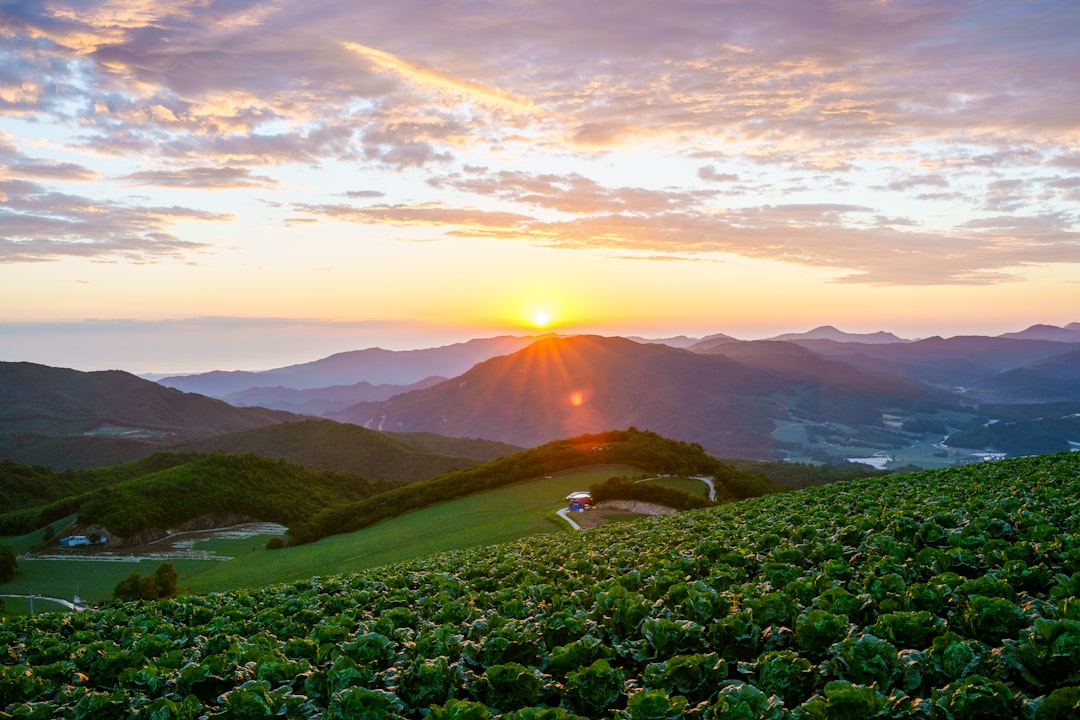
    hidden travel destination Korea countryside scenic road

    📊 ‘오버투어리즘 피로도’ 수치로 보는 국내 여행 트렌드

    한국관광공사 2026년 상반기 국내 여행 트렌드 보고서에 따르면, 국내 여행자의 약 61%가 “유명 관광지의 과밀화가 여행 만족도를 떨어뜨린다”고 응답한 것으로 나타났어요. 특히 주말 기준 제주 중문 해수욕장, 경복궁 주변, 부산 해운대 등 이른바 ‘빅5 관광지’는 성수기 방문객이 평균 하루 4만~6만 명에 달해, 체험 밀도보다 체증 밀도가 높아지는 역설적인 상황이 벌어지고 있라고 봅니다.

    반면, 교통 접근성이 다소 낮지만 자연·문화 콘텐츠를 고루 갖춘 ‘숨은 여행지’의 재방문율은 평균 72%로, 유명 관광지(48%)보다 월등히 높은 수치를 기록했어요. 즉, 한 번 가면 또 가게 되는 여행지들이 바로 오프더비튼패스 스폿이라는 거죠.

    🗺️ 2026년 추천 국내 오프더비튼패스 여행지 7선

    아래 소개하는 곳들은 단순히 ‘덜 알려진 곳’이 아니라, 콘텐츠 밀도·접근 난이도·계절감을 종합적으로 고려해 선별한 곳들이에요. 물론 완벽한 기준은 없고, 저도 계속 탐색 중이라는 점 미리 말씀드려요.

    • 전남 보성 벌교읍 – 꼬막의 고장으로 유명하지만, 읍내 근대 건축물 골목은 아직 미개척 상태예요. 조정래 소설 《태백산맥》의 배경지라 문학 여행자에게도 특별한 의미가 있어요.
    • 경북 봉화군 청량산 일대 – 국내에서 손꼽히는 산세를 자랑하지만 설악·지리산에 비해 탐방객이 현저히 적어요. 조선 선비들이 수행처로 삼았을 만큼 기암과 단풍 조합이 압도적입니다.
    • 강원 삼척 초곡항 – 투명 카약 체험으로 조금씩 알려지고 있지만, 주변 용굴촛대바위길은 여전히 한산해요. 동해안 트레킹 코스 중 숨겨진 보석 같은 곳이라고 봅니다.
    • 충남 서천 장항읍 – 근대 산업 유산인 구 장항제련소 굴뚝이 랜드마크가 된 곳이에요. 최근 ‘장항스카이워크’와 함께 서해안 생태 여행 코스로 재조명받고 있지만 아직 여유롭습니다.
    • 경남 고성군 상족암 – 공룡 발자국 화석이 세계 최대 규모로 남아있는 해안이에요. 공룡엑스포가 열리는 해가 아니면 한적하게 즐길 수 있어요.
    • 전북 진안 마이산 – 말의 귀처럼 솟은 두 봉우리가 독특한 실루엣을 만들어내는 곳이에요. 탑사의 돌탑군은 사계절 어느 때 가도 미스터리한 분위기를 자아냅니다.
    • 제주 추자도 – 제주 본섬이 아닌 제주 북쪽 추자군도예요. 배편이 유일한 교통수단이라 접근 장벽이 높지만, 바로 그 이유로 때 묻지 않은 어촌 풍경과 낚시 문화가 살아있라고 봅니다.
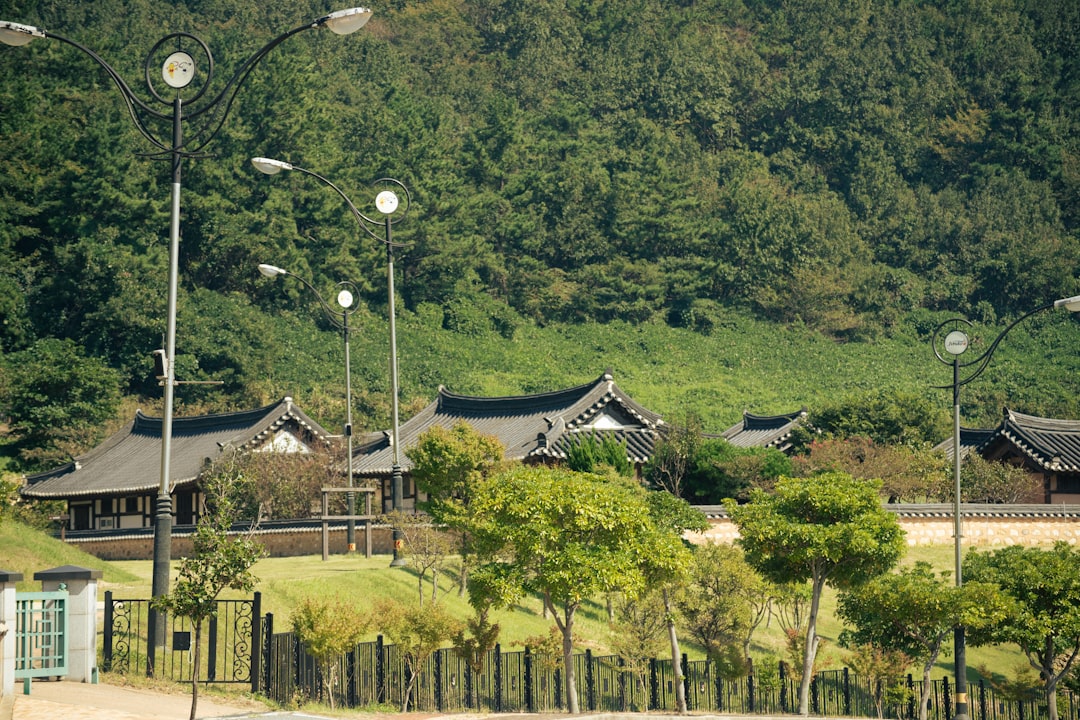
    South Korea hidden village traditional landscape offbeat

    🌍 국내외 사례로 보는 ‘언더레이티드 여행지’의 공통점

    일본의 ‘히든 재팬’ 캠페인이 좋은 참고 사례가 될 것 같아요. 2020년대 들어 일본 관광청은 교토·도쿄·오사카에 집중된 방문객을 분산시키기 위해 도호쿠, 산인, 시코쿠 지역을 집중 육성했는데요, 이를 통해 해당 지역의 숙박 점유율이 4년 만에 약 38% 향상됐다는 보고가 있어요. 핵심은 ‘접근성이 조금 불편해도, 그 불편함이 도리어 여행의 밀도를 높인다’는 역발상이었라고 봅니다.

    국내에서도 비슷한 흐름이 감지되고 있어요. 2026년 한국 MZ세대 여행자 사이에서 ‘노 플랜 여행’, ‘버스 종점 여행’ 같은 키워드가 SNS 트렌드로 부상하고 있는 것도 같은 맥락이라고 생각해요. 완벽하게 설계된 여행보다, 예측 불가능한 만남과 풍경을 즐기는 방식이 확산되고 있는 거죠.

    💡 오프더비튼패스 여행, 이렇게 준비하면 더 좋아요

    무작정 떠나는 것도 낭만이지만, 최소한의 준비는 여행의 질을 높여줍니다. 특히 숨은 여행지는 편의 인프라가 부족한 경우가 많아서 몇 가지 체크포인트가 있어요.

    • 오프라인 지도 다운로드 필수 – 산간·도서 지역은 통신 음영지대가 많아요. 구글 맵이나 네이버 지도의 오프라인 저장 기능을 꼭 활용하세요.
    • 현지 식당 영업일 사전 확인 – 인구가 적은 지역의 식당은 비시즌에 주중 휴업하는 경우가 많아요. 전화 한 통이 아쉬운 발걸음을 막아줍니다.
    • 대중교통 배차 간격 체크 – 농어촌 버스는 하루 2~4회 운행하는 노선도 있어요. 마지막 버스 시간을 반드시 확인해야 합니다.
    • 숙소는 게스트하우스·민박 우선 – 현지인과의 접점이 생기고, 입소문 정보를 얻을 수 있는 가장 빠른 방법이에요.

    에디터 코멘트 : 솔직히 말하면, 오프더비튼패스 여행의 가장 큰 장벽은 ‘정보 부족에 대한 불안감’인 것 같아요. 리뷰도 없고, 블로그 포스팅도 드물면 왠지 가면 안 될 것 같은 기분이 들죠. 그런데 저는 그 불안감 자체가 여행의 일부라고 생각해요. 2026년엔 한 번쯤, 검색 결과 맨 끝 페이지에 있는 그 마을을 목적지로 설정해 보시는 건 어떨까요? 의외로 그 여행이 1년 중 가장 오래 기억에 남을 수도 있거든요.

    태그: [‘오프더비튼패스’, ‘국내숨은여행지’, ‘2026여행추천’, ‘비밀여행지’, ‘국내이색여행’, ‘오버투어리즘’, ‘한국여행코스’]

  • Jeju Island Family Theme Travel Itinerary 2026: The Ultimate Guide to Korea’s Most Magical Family Destination

    Picture this: your kids are sprinting toward a black lava rock beach, eyes wide with wonder, while you sip a warm cup of hallabong citrus tea watching the sun dip behind Hallasan Mountain. That moment — unscripted, spontaneous, and absolutely priceless — is exactly what a well-planned Jeju Island family trip feels like in 2026. I’ve been helping families map out Korean travel experiences for years, and I can tell you with full confidence: Jeju has quietly evolved into one of Asia’s top family-friendly destinations, and this year’s offerings are better than ever.

    But here’s the honest truth — Jeju can feel overwhelming without a clear plan. The island is roughly 1,850 square kilometers, and with over 450 registered tourist attractions as of early 2026, deciding what to skip is just as important as knowing what to visit. So let’s think through this together, logically and realistically, based on your family’s composition, energy levels, and budget.

    Jeju Island family travel Hallasan mountain lava coastline children 2026

    Why Jeju in 2026 Is a Different Experience Than Before

    Jeju’s tourism infrastructure has undergone a notable transformation over the past two years. The Jeju Tourism Organization reported in January 2026 that family-oriented facilities now account for approximately 38% of all new tourism developments since 2023 — up from just 21% in 2020. This shift reflects a direct response to post-pandemic travel trends where multi-generational family trips surged dramatically.

    New additions in 2026 that didn’t exist even two years ago include the expanded Jeju Bio Diversity Science Park near Seogwipo, which now features interactive AR (Augmented Reality) ecology exhibits designed specifically for children aged 5–12. There’s also the revamped Jeju Stone Park (Jeju Dolhareubang Cultural Zone), which launched a bilingual storytelling trail in Korean and English — a genuine win for international families or Korean-diaspora families reconnecting with their heritage.

    The 4-Night, 5-Day Family Theme Itinerary: Broken Down by Day

    Rather than giving you a generic list of “must-see spots,” let me walk you through a theme-based itinerary that groups attractions logically by geography and energy demand — because dragging a 6-year-old across the island twice in one day is a recipe for a meltdown (trust me on this).

    Day 1 — Arrival + Coastal Wonder Theme (East Jeju)
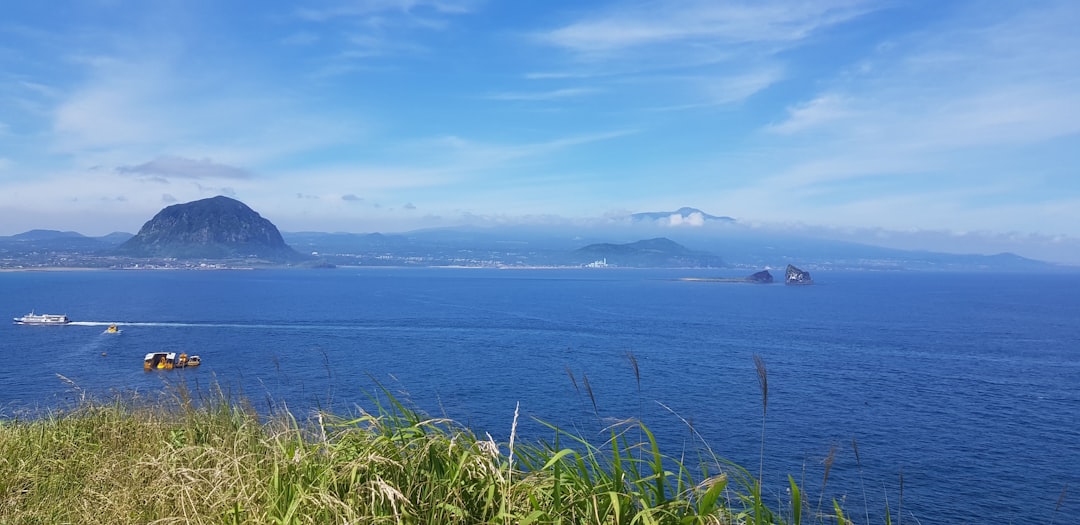
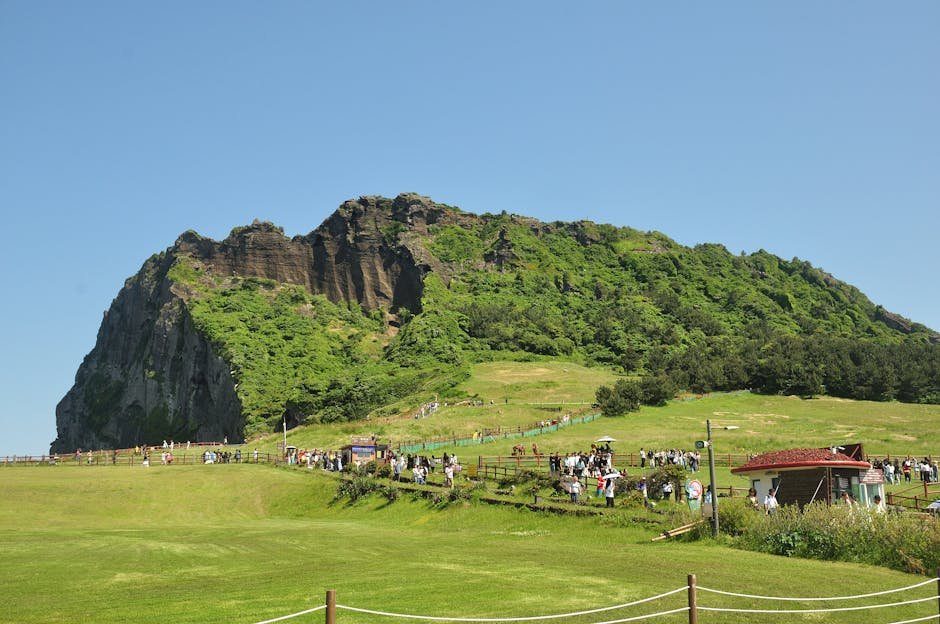
    Arrive at Jeju International Airport and head east first — this is the quieter, less congested side and a brilliant way to ease into island life. Visit Seongsan Ilchulbong (Sunrise Peak) in the late afternoon for golden-hour views without the early morning chaos. Nearby, Haenyeo (female diver) live demonstration programs at Udo Island ferry port area run until 5:30 PM in 2026 and are genuinely fascinating for kids and adults alike.

    Day 2 — Nature Exploration Theme (Central Jeju / Hallasan)
    Take the Eorimok Trail on Hallasan — it’s the most family-accessible route, approximately 4.7 km one way, with paved sections and rest shelters. For families with children under 5 or elderly grandparents, the Jeju Eco Land Theme Park in Joongsan-gan offers a train-based forest tour through preserved natural woodland — genuinely beautiful without requiring hiking fitness.

    Day 3 — Culture + Creativity Theme (Jeju City Area)
    Spend the morning at Jeju Folk Village Museum, which offers hands-on traditional craft workshops for kids in 2026 (pottery, traditional dyeing, and tteok rice cake making). Afternoon is ideal for Nexon Computer Museum — yes, it’s a gaming and computer history museum, but it’s surprisingly educational and kids absolutely love it. Teenagers especially appreciate the retro gaming sections.

    Day 4 — Adventure + Marine Theme (West & South Jeju)
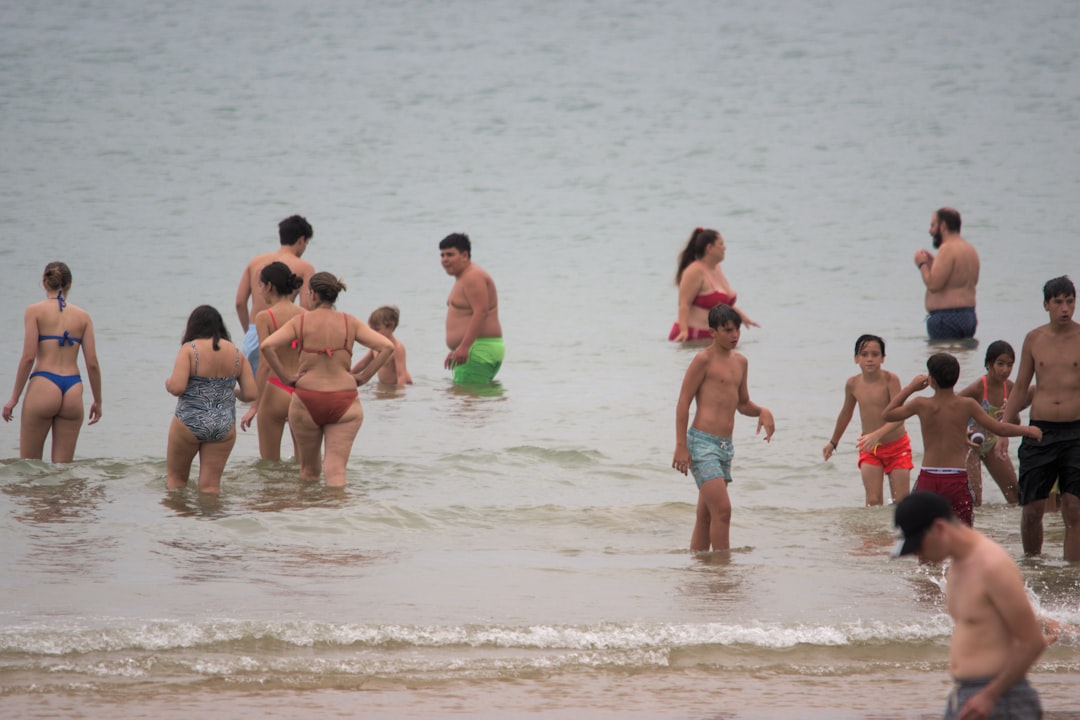
    Head to Hyeopjae Beach for its famous turquoise shallow waters — exceptionally safe for young swimmers, with a gentle sandy bottom. Then swing by Hallim Park for the famous lava tube caves (Hyeopjae and Ssangyong Caves), which are cool in temperature and endlessly dramatic. End the day at Seogwipo Maeil Olle Market for authentic local dinner — the haemul pajeon (seafood pancake) stalls are a crowd-pleaser across all ages.

    Day 5 — Slow Travel + Departure (Jeju City + Airport)
    Keep the final morning light. Visit Dongmun Traditional Market for souvenirs and fresh hallabong juice. The new Jeju Airport Family Lounge (Terminal 1, Level 3), expanded in late 2025, now includes a dedicated children’s play zone — a lifesaver for families with early-evening flights.

    Budget Reality Check for 2026

    Let’s be real about costs, because budget surprises can sour even the best trips. Here’s a realistic per-day estimate for a family of four (2 adults, 2 children) in Jeju in 2026:

    • Accommodation: Mid-range family pension or resort — approximately ₩180,000–₩320,000/night (~$130–$235 USD). Prices have risen about 12% year-on-year due to increased demand.
    • Meals: Budget ₩80,000–₩120,000/day for a family eating a mix of local restaurants and markets. Avoid tourist-trap restaurant clusters near major attractions.
    • Attractions: Most major sites charge ₩3,000–₩15,000 per adult, with children often free or half price. A family of four can realistically see top-tier attractions for ₩50,000–₩80,000/day.
    • Transportation: Rental car (mandatory for families — public transit is genuinely insufficient) runs ₩70,000–₩110,000/day including fuel for a compact SUV.
    • Total estimate: Roughly ₩400,000–₩650,000/day (~$295–$480 USD) for a comfortable family experience.

    What International Families Are Saying in 2026

    Jeju has been gaining serious international traction as a family destination. A travel report by Condé Nast Traveler Asia Pacific (February 2026) ranked Jeju 4th among Asia’s Top Family Destinations — behind Bali, Hokkaido, and Singapore, but notably above Phuket and Boracay. The key differentiator cited? Safety, cleanliness, and the natural variety packed into a small, navigable island.

    Domestically, Korean family travel platforms like Naver Travel and Kakao Map Travel Reviews consistently show Jeju ranking #1 for family satisfaction among Korean domestic destinations in 2026 surveys — with Seongsan Ilchulbong, Eco Land, and Hyeopjae Beach forming the most-reviewed “family trifecta.”

    Jeju Hyeopjae beach turquoise water children playing family summer 2026

    Realistic Alternatives If Jeju Feels Too Expensive or Crowded

    Here’s where I want to be genuinely helpful rather than just promotional. Jeju in peak season (July–August and Lunar New Year weeks) can feel overwhelmingly crowded — rental cars sell out weeks in advance, and popular beaches get packed by 10 AM. If your family trip window falls during these periods, or if the budget is a stretch, here are thoughtful alternatives:

    • Gapa Island (가파도): A tiny island reachable by ferry from Jeju’s Moseupо Harbor. Far fewer tourists, beautiful walking trails, and a much slower pace — ideal for families with older children who appreciate nature over theme parks.
    • Namhae, South Gyeongsang Province: Often called “Korea’s Mediterranean,” Namhae offers German Village, gorgeous coastal views, and excellent seafood at roughly 60% of Jeju’s price point. Significantly underrated for families.
    • Jeju off-season (November–February): If you can swing winter travel, Jeju in January or February is dramatically less crowded, prices drop 20–30%, and the camellia blossoms (late January–February) are genuinely spectacular. Pack layers — it’s mild but windy.
    • Olle Trail Segment 10 (for active families): If you’re in Jeju but want to escape the tourist circuit entirely, Olle Trail Segment 10 along the Hwasun coast is largely undiscovered by casual tourists and stunning for families who enjoy a 3–4 hour coastal hike.

    The bottom line? A Jeju family trip in 2026 rewards thoughtful planning enormously. The island has genuinely matured as a family destination — the infrastructure is there, the experiences are rich and varied, and the natural beauty remains as jaw-dropping as ever. The families who struggle are usually the ones who try to cram too much in, or who visit without a rental car and a loose daily theme. Plan with intention, build in downtime, and let the island surprise you in the gaps.

    Editor’s Comment : After mapping out dozens of family itineraries across Asia, Jeju continues to impress me precisely because it works on multiple levels simultaneously — toddlers find magic in the lava beaches, teens get hooked on the museums and food markets, grandparents appreciate the gentle cultural layers, and parents (let’s be honest) get to exhale near actual natural beauty. It’s rare for a destination to satisfy everyone, but Jeju in 2026 comes remarkably close. Just book that rental car early.

    태그: [‘Jeju Island family travel 2026’, ‘Jeju family itinerary’, ‘Korea family vacation’, ‘Jeju travel tips 2026’, ‘Jeju with kids’, ‘family travel Asia 2026’, ‘Jeju tourist spots’]

  • 2026 제주도 가족 테마 여행 코스 추천 – 아이부터 어른까지 모두 만족하는 완벽 일정

    지난 봄, 초등학교 3학년 딸과 6살 아들을 데리고 제주도를 찾은 한 가족의 이야기를 들었어요. 아이들을 위해 놀이공원 위주로 일정을 짰는데, 정작 부모는 이동 동선이 엉켜서 하루에 100km 넘게 차를 몰았다고 하더라고요. 결국 아이들도, 어른들도 지쳐서 마지막 날은 숙소에서 쉬다 왔다는 웃지 못할 이야기였죠. 제주도는 섬 전체가 하나의 테마파크 같아서 오히려 계획 없이 가면 더 힘들어지는 여행지라고 봅니다. 그래서 오늘은 2026년 기준으로 업데이트된 정보를 바탕으로, 가족 여행에 최적화된 테마별 코스를 함께 정리해 봤어요.

    Jeju island family travel scenic road children

    📊 2026년 제주도 가족 여행, 숫자로 먼저 살펴보기

    제주관광공사 2026년 1분기 집계 데이터에 따르면, 제주도 방문객 중 가족 단위(2인 이상 보호자 + 미성년 동반) 비율은 전체의 약 38%로 꾸준히 상승 추세라고 합니다. 특히 초등학생 자녀를 둔 30~40대 부모 여행객이 전년 대비 약 12% 증가했어요.

    흥미로운 점은 단순 관광지 방문보다 ‘체험형 콘텐츠’를 중심으로 일정을 구성한 가족일수록 여행 만족도가 평균 4.3점(5점 만점)으로 높게 나온다는 거예요. 반면 이동 거리가 하루 평균 80km를 초과한 경우 만족도가 3.1점까지 떨어진다는 데이터도 있어요. 결국 동선 최적화체험 밀도가 핵심이라고 봅니다.

    또한 제주도의 가족 친화 숙박 시설은 2026년 현재 약 340여 개소로, 풀빌라·키즈풀·독채 형태가 전체의 60% 이상을 차지하고 있어요. 단순히 잠만 자는 숙소보다, 숙소 자체가 놀이 공간이 되는 형태를 선호하는 트렌드가 뚜렷하게 자리 잡은 것 같아요.

    🗺️ 테마별 추천 코스 – 아이 연령대별로 나눠보기

    제주도는 동서남북의 풍경과 특색이 확연히 달라요. 효율적인 여행을 위해 하루에 한 권역씩 집중 공략하는 방식이 가장 현실적이라고 봅니다. 아래에서 테마별로 정리해 드릴게요.

    🌿 테마 1 – 자연 탐험 코스 (서귀포·남부 권역, 유아~초등 저학년 추천)

    • 천지연 폭포 – 이른 아침 방문 시 인파 없이 산책로를 여유롭게 즐길 수 있어요. 아이들과 함께 걷기 좋은 평탄한 길이라 유아차도 가능해요.
    • 여미지식물원 – 아시아 최대 규모의 온실 식물원으로, 날씨 영향을 받지 않아 비 오는 날 대안 코스로도 탁월해요. 2026년 현재 키즈 식물 체험 프로그램이 새롭게 운영 중이에요.
    • 쇠소깍 – 투명 카약이나 테우(전통 뗏목) 체험을 아이와 함께 즐길 수 있어요. 물이 잔잔해서 어린아이도 안전하게 탑승할 수 있다고 봅니다.
    • 성읍민속마을 – 제주 전통 문화를 자연스럽게 접할 수 있는 야외 학습 공간이에요. 초등학생 자녀라면 교과 연계 체험으로도 훌륭한 선택이에요.

    🎡 테마 2 – 체험·놀이 집중 코스 (제주시·북부 권역, 초등 전 학년 추천)

    • 제주항공우주박물관 – 단순 전시를 넘어 비행 시뮬레이터, VR 우주 체험 등 인터랙티브 콘텐츠가 풍부해요. 2026년에는 ‘달 탐사 체험존’이 신규 오픈해 더욱 볼거리가 많아졌어요.
    • 한림공원 – 협재 해수욕장과 연계해 오전에는 협재 해변 물놀이, 오후에는 한림공원 탐방으로 이어지는 반나절 코스가 좋아요.
    • 넥슨컴퓨터박물관 – 디지털 네이티브 세대 아이들에게 게임의 역사와 컴퓨터 원리를 재미있게 설명해 주는 공간이에요. 의외로 부모 세대도 향수를 자극받아 함께 즐기는 경우가 많아요.
    • 이호테우 해변 – 빨간 등대와 조랑말 모양의 등대로 유명한 인스타 명소인데요, 일몰 시간대에 방문하면 가족 사진 명소로도 손색없어요.

    🌊 테마 3 – 감성·힐링 코스 (동부 권역, 중고등학생 이상 가족 추천)

    • 성산일출봉 – 이른 새벽 일출 관람은 온 가족에게 특별한 기억으로 남을 거예요. 2026년 현재 탐방로 일부가 정비되어 접근성이 더 좋아졌다고 해요.
    • 섭지코지 – 광활한 해안 절경을 걸으며 자연스럽게 대화를 나눌 수 있는 코스예요. 사진 찍기 좋아하는 청소년 자녀라면 특히 좋아할 거라고 봅니다.
    • 제주 올레 1코스 – 시흥리에서 광치기 해변까지 이어지는 약 15km 구간인데, 가족이 함께 일부 구간만 걸어도 충분히 의미 있어요. 걷는 동안 자연스럽게 대화가 이어지는 게 올레길의 가장 큰 장점이에요.
    • 김녕미로공원 – 아이들에게는 탐험 놀이터, 어른들에게는 소소한 재미를 주는 공간이에요. 규모가 크지 않아 부담 없이 들를 수 있어요.
    Seongsan Ilchulbong sunrise family Jeju Korea

    🌍 국내외 가족 여행 트렌드와 비교해 보면

    일본 오키나와의 경우, 가족 여행 특화 패키지가 이미 ‘권역별 1일 1테마’ 구조로 정형화되어 있어요. 오전에는 자연 체험, 오후에는 수공예·음식 체험, 저녁에는 숙소 내 부대시설 활용이라는 패턴이 정착되어 있고, 실제로 이 구조를 따른 여행자의 재방문율이 67%에 달한다는 조사 결과도 있어요.

    국내에서는 강원도 고성·속초 지역이 최근 가족 테마 여행지로 급부상하고 있는데요, 핵심 경쟁력은 ‘이동 시간 최소화 + 숙박 시설 체험화’예요. 제주도도 이 트렌드를 빠르게 따라가고 있어서, 2026년 현재는 한 권역 내에서 2박을 하며 깊이 있게 즐기는 ‘슬로우 패밀리 트래블’ 스타일이 각광받고 있는 것 같아요.

    해외 사례로는 싱가포르 패밀리 여행 리포트(2025 Asia Travel Insight 기준)에서도 비슷한 흐름이 확인돼요. 관광지를 많이 보는 것보다 하나의 경험을 깊게 공유하는 것이 가족 여행의 만족도와 유대감 강화에 훨씬 효과적이라는 연구 결과가 점점 주목받고 있거든요.

    ✅ 현실적인 2026 제주 가족 여행 계획 체크리스트

    • 📍 숙소는 권역 중심부에 잡기 – 하루 이동 거리를 60km 이내로 줄이는 데 숙소 위치가 결정적이에요.
    • 🕐 오전 체험 + 오후 여유 패턴 유지 – 아이들의 컨디션 관리가 여행 전체 퀄리티를 좌우해요.
    • 날씨 대비 실내 대안 코스 하나씩 준비 – 제주는 날씨 변화가 잦아요. 항공우주박물관, 여미지식물원, 넥슨컴퓨터박물관을 날씨 비상구로 기억해 두세요.
    • 🍊 감귤 체험 농장은 사전 예약 필수 – 2026년 봄·가을 시즌에는 체험 농장이 2주 전에 마감되는 경우가 많아요.
    • 🚗 렌터카는 7인승 이상 고려 – 짐이 생각보다 많아요. 특히 유아 동반이라면 카시트 포함 공간이 넉넉한 차종이 훨씬 편해요.
    • 📱 제주패스 또는 제주 통합 관광 앱 활용 – 2026년 현재 다양한 입장권 통합 할인 패스가 운영 중이에요. 3박 4일 기준 1인당 2만~4만 원 절감도 가능해요.

    에디터 코멘트 : 제주도 가족 여행의 진짜 함정은 ‘볼 게 너무 많다’는 데 있는 것 같아요. 리스트를 많이 채울수록 정작 아무것도 제대로 기억에 남지 않는 역설이 생기더라고요. 2026년에 제주를 계획하고 있다면, 코스를 줄이고 하나를 더 깊게 경험하는 방향으로 설계해 보시길 권해 드려요. 아이가 “그 바다 또 가고 싶어”라고 말할 때, 그게 진짜 성공한 가족 여행이 아닐까요. 권역을 나누고 동선을 단순화하는 것, 그게 가장 현실적인 완성형 제주 가족 여행의 출발점이라고 봅니다.

    태그: []

  • Hidden Gem Small Town Travel Itineraries in Korea 2026: Why Skipping Seoul Might Be Your Best Decision Yet

    Last spring, a friend of mine — a seasoned traveler who’d done the whole Seoul-Busan-Jeju circuit at least four times — came back from a weekend in Tongyeong absolutely glowing. “It felt like Italy,” she said, “but with better seafood and half the price.” That one offhand comment sent me down a rabbit hole of researching Korea’s small-town travel scene, and honestly? I haven’t looked back since.

    If you’ve been stacking up Korean travel content in 2026 and still feel like every itinerary starts with Gyeongbokgung Palace and ends at a Myeongdong street food stall, you’re not alone — and you’re also not stuck. Korea’s domestic small-city (소도시) travel scene has exploded in the past two years, driven by a mix of remote-work flexibility, rising costs in major cities, and a genuine cultural hunger for slower, more intentional experiences.

    Let’s think through this together, destination by destination.

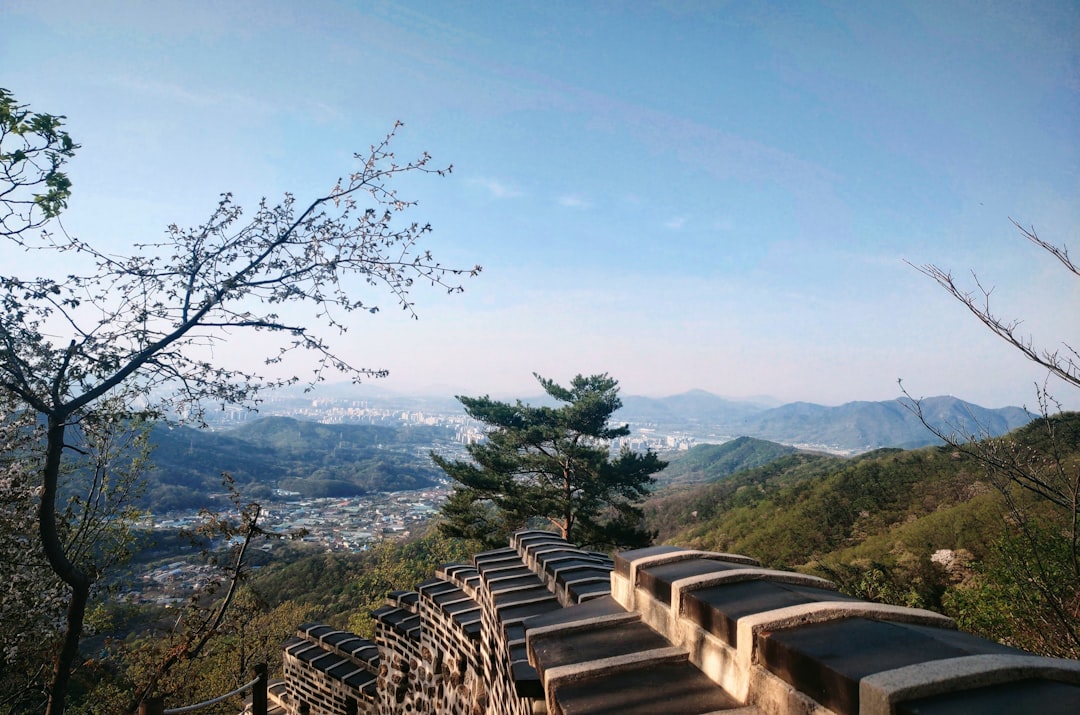
    Korea small town travel scenic coastal village 2026

    Why Small-Town Korea Is Having Its Biggest Moment in 2026

    Here’s some context worth knowing: according to the Korea Tourism Organization’s 2026 domestic travel index, searches for non-metropolitan destinations increased by 38% year-over-year, with travelers aged 25–40 leading the charge. Cities with populations under 300,000 — places like Namhae, Jecheon, and Boryeong — are seeing record boutique guesthouse bookings, many of them sold out months in advance during peak foliage and cherry blossom seasons.

    Why the shift? A few converging forces:

    • Cost fatigue: Seoul hotel rates in 2026 average ₩180,000–₩300,000/night even for mid-range options. A charming hanok guesthouse in Andong or a sea-view pension in Geoje? Often under ₩100,000.
    • The “slow travel” movement: Post-pandemic travel psychology still favors depth over breadth — spending three days in one small town rather than cramming five cities into a week.
    • Improved infrastructure: The KTX and SRT network expansions completed in late 2024 and 2025 now connect many secondary cities in under 2 hours from Seoul.
    • Instagram fatigue with “famous spots”: Travelers are actively seeking places that feel personal and undiscovered — even if they’re technically well-known locally.

    Top Small-Town Itineraries Worth Planning Right Now

    Rather than giving you a generic list, let me walk you through a few realistic itinerary frameworks depending on what kind of traveler you are.

    🌊 For the Coastal Dreamer: Tongyeong (통영) — 2 to 3 Days
    Often called the “Naples of Korea,” Tongyeong sits on the South Sea and punches well above its weight. Start your first morning at Gangguan Port for fresh oysters directly from the market — this is non-negotiable. Spend the afternoon taking the cable car up Mireuksan Mountain for a panoramic view of the island archipelago. On day two, take a ferry to Bijindo Island and walk the famous tombolo — a sandbar that connects two land masses and appears at low tide. Day three is for wandering the Dongpirang Mural Village at your own pace and sitting at a dockside café doing absolutely nothing productive. That’s the point.

    🏯 For the History Buff: Andong (안동) — 2 to 3 Days
    Andong is arguably Korea’s most culturally preserved small city. The Hahoe Folk Village (a UNESCO World Heritage Site) is the centerpiece, but don’t overlook Dosan Seowon, a 16th-century Confucian academy that still carries an almost meditative stillness. Local food here is distinctive too — heotjesatbap (a ceremonial rice table spread) and Andong jjimdak (braised chicken) are regional staples you genuinely cannot replicate elsewhere.

    🌸 For the Nature Seeker: Boseong (보성) — 1 to 2 Days
    The green tea fields of Boseong are best visited in mid-April or early November when the light hits the terraced rows just right. It’s a short trip — most people do it as a day-trip from Gwangju — but spending one night at a local minbak (homestay) to catch the morning mist rolling over the fields is an entirely different experience. Pair it with a visit to Yulpo Beach, only 15 minutes away, for a surprisingly uncrowded coastal finish.

    🎨 For the Quirky Explorer: Jeonju (전주) — 2 Days (Hanok Village + Beyond)
    Yes, Jeonju is well-known — but most visitors only see the Hanok Village. If you’re willing to walk 20 minutes further, the Gaeksa area and the lesser-visited Omokdae hill offer a completely different, crowd-free perspective. Jeonju’s food scene in 2026 has also evolved significantly, with a new wave of young chefs reinventing traditional hansik (Korean cuisine) in small tasting-menu formats that are worth booking in advance.

    Andong Hahoe village traditional Korean folk village atmosphere

    Practical Tips to Make These Trips Actually Work

    • Transportation reality check: Not all small towns are KTX-accessible. For places like Boseong or Namhae, renting a car (easily done via apps like Lotte Rent-a-Car or Greencar) is genuinely the better option — and it opens up detour possibilities that public transit simply can’t match.
    • Accommodation booking window: For weekend trips between April–June and September–November (peak seasons), book at least 4–6 weeks ahead for smaller guesthouses. They fill up fast and many don’t list on major OTAs — check Naver or local tourism board sites.
    • Language barrier: Outside of major tourist areas, English signage drops significantly. Having Naver Maps (not Google — trust me on this) and Papago translation app installed is genuinely essential.
    • Budget framing: A well-planned 2-night small-town trip can realistically come in under ₩300,000–₩400,000 per person including accommodation, food, and local transport. That’s often less than a single night in a Seoul business hotel.

    Realistic Alternatives If These Destinations Don’t Fit Your Schedule

    Not everyone can do a full 2–3 day trip. If you’re working with a single day or a tight weekend, here’s how to recalibrate:

    • Day trip from Seoul: Chuncheon (닭갈비 + Nami Island area), Gapyeong, or Icheon (ceramics + hot springs) are all under 90 minutes by train or express bus and offer a genuinely different atmosphere from the capital.
    • Weekend from Busan: Geoje Island or Namhae can be done in a single overnight — both are within 1.5 hours by car and offer coastal scenery that rivals anything in Southeast Asia.
    • Low-mobility or family travel: Jeonju and Gyeongju are the most accessible small cities, with flat walking paths, clear signage, and family-friendly food options readily available.

    The beauty of Korea’s small-town travel landscape in 2026 is that it genuinely rewards curiosity over convenience. You don’t need a massive budget or two weeks off work — you just need the willingness to look slightly beyond the obvious.

    Start with one destination. Take it slowly. Let the town surprise you.

    Editor’s Comment : The best small-town trips aren’t the ones with the most Instagram-worthy moments — they’re the ones where you stumble into a local grandmother’s side-street tteok shop and end up staying an extra hour just talking (in broken Korean and enthusiastic gestures). Plan the framework, but leave room for the unplanned. That’s where the real itinerary writes itself.

    태그: [‘Korea small town travel 2026’, ‘소도시 여행 코스’, ‘domestic travel Korea’, ‘Tongyeong travel guide’, ‘Andong itinerary’, ‘Korean slow travel’, ‘hidden gems Korea 2026’]

  • 국내 소도시 여행 코스 2026 – 붐비지 않아서 더 좋은 숨은 여행지 7선

    지난 주말, 지인이 이런 말을 했어요. “제주도도 질리고, 부산도 사람이 너무 많아서 이제 어디 가야 할지 모르겠어.” 아마 많은 분들이 공감하실 것 같습니다. 인스타그램에서 수백만 번 태그된 명소는 이미 줄 서는 것 자체가 여행이 되어버린 시대죠. 그래서 2026년에는 조금 다른 방향을 제안해 드리고 싶어요. 바로 국내 소도시 여행입니다. 덜 알려져 있어서 오히려 더 진짜 같고, 로컬의 속도로 숨 쉴 수 있는 그런 여행지들이요. 오늘은 함께 그 코스를 하나씩 들여다볼게요.

    small town Korea travel scenic road countryside 2026

    📊 2026년 국내 여행 트렌드 – 숫자로 보는 소도시의 부상

    한국관광공사가 2026년 초 발표한 국내 여행 소비 패턴 분석에 따르면, 1박 2일~2박 3일 단기 소도시 여행의 검색량이 전년 대비 약 38% 증가한 것으로 나타났다고 봅니다. 특히 20~30대 MZ세대 여행자의 절반 이상이 “붐비지 않는 곳”, “로컬 감성”을 여행지 선택 기준 1순위로 꼽았어요.

    또한 국내 숙박 예약 플랫폼 데이터를 살펴보면, 2026년 1분기 기준 전북 남원, 경남 통영, 충남 서천, 전남 담양 등 소도시 숙박 예약 건수가 전년 동기 대비 평균 45% 이상 늘었다는 추정치가 나오고 있어요. 단순한 유행이 아니라 구조적인 여행 패턴의 변화라고 볼 수 있을 것 같습니다.

    🗺️ 2026년 강력 추천 국내 소도시 여행 코스 7선

    아래 소개하는 코스들은 단순히 “예쁜 곳” 기준이 아니라, 이동 편의성, 로컬 먹거리, 계절감, 혼행·커플·가족 여행 적합도를 함께 고려해서 골랐어요.

    • 📍 경남 통영 – ‘한국의 나폴리’라는 별명이 아깝지 않은 항구 도시예요. 2026년 케이블카 노선이 일부 확장되면서 미륵산 조망이 더욱 편리해졌고, 동피랑 벽화마을부터 중앙시장 꿀빵 골목까지 반나절이 훌쩍 지나갑니다. 1박 2일 코스로 딱 맞는 규모라고 봐요.
    • 📍 전북 남원 – 춘향전의 고장이지만 사실 트레킹 성지이기도 해요. 지리산 둘레길 3코스가 남원을 지나가고, 광한루원의 야경은 봄 시즌(3~5월)에 특히 황홀합니다. 2026년 광한루원 미디어파사드 시설이 새롭게 정비되면서 야간 관광 콘텐츠가 강화됐어요.
    • 📍 충남 서천 – 국립생태원과 국립해양생물자원관이 있어서 생각보다 볼거리가 많아요. 봄에는 유채꽃 군락, 가을에는 갈대 군락으로 계절마다 다른 얼굴을 보여준답니다. 서울에서 KTX 익산 경유로 접근하면 2시간 내외예요.
    • 📍 전남 담양 – 메타세쿼이아 가로수길은 이제 누구나 알지만, 그 너머의 소쇄원, 죽녹원 산책로, 관방제림까지 연결하는 ‘느린 하루 코스’는 여전히 한산해요. 담양 대나무숲 안에서 마시는 대통밥 한 그릇은 솔직히 어떤 파인다이닝도 대체 못한다고 생각해요.
    • 📍 강원 정선 – 고한·사북 지역의 탄광 역사 문화촌이 2025년부터 본격적인 다크 투어리즘 콘텐츠로 정비되어 2026년 현재 방문객이 꾸준히 늘고 있어요. 아우라지 뗏목 체험과 함께 코스를 짜면 색다른 강원도 여행이 됩니다.
    • 📍 경북 영덕 – 대게로만 알려져 있지만, 블루로드 해파랑길 구간이 지나가는 해안 트레킹 코스로 훨씬 더 유명해질 도시라고 봐요. 창포말 등대에서 바라보는 일출은 정말 감탄이 나옵니다.
    • 📍 충북 괴산 – ‘느린마을’로 불리는 괴산은 국내 유기농 식재료의 메카예요. 산막이옛길 트레킹(편도 약 4km)은 난이도가 낮아서 어르신과 함께 오기에도 부담 없고, 주변 캠핑장은 주말에도 예약 경쟁이 심하지 않은 편이라는 게 매력이에요.
    Tongyeong Korea harbor sunset travel destination

    🌍 국내외 사례로 보는 소도시 여행의 가능성

    일본의 경우 ‘도쿄 vs 교토’ 이분법을 벗어나 나가노현 마쓰모토, 돗토리현 같은 소도시가 외국인 여행자들 사이에서 빠르게 인기를 얻고 있어요. 오버투어리즘에 지친 여행자들이 자연스럽게 덜 알려진 곳을 찾는 흐름인데, 국내에서도 동일한 현상이 일어나고 있다고 봅니다.

    국내 사례로는 경남 하동이 대표적이에요. 2~3년 전만 해도 녹차밭 사진 몇 장이 전부였는데, 지금은 하동 북천 코스모스 축제와 악양 평사리 들판이 입소문을 타면서 여행 플랫폼 상위 노출 지역에 안착했거든요. 이처럼 소도시는 ‘발견되는 순간’ 급격히 주목받는 구조라는 게 흥미롭습니다.

    💡 소도시 여행, 이렇게 준비하면 더 알차요

    소도시 여행에서 가장 많이 하는 실수가 대도시 여행 방식을 그대로 적용하는 것이에요. 소도시는 대중교통 배차 간격이 길고, 식당 영업시간이 이르게 끝나는 경우가 많아서 사전 준비가 더 중요하다고 봅니다.

    • 렌터카 또는 카셰어링 사전 예약 필수 (현지 당일 예약은 공급이 부족할 수 있어요)
    • 로컬 맛집은 포털 최신 리뷰 + 현지 SNS 계정 이중 확인 권장
    • 축제 일정을 미리 체크하면 여행 밀도가 훨씬 높아집니다
    • 숙소는 도심 근처보다 경관 좋은 외곽 독채 펜션을 추천 – 소도시 여행의 진짜 묘미예요
    • 지역화폐 또는 로컬 상품권 사용 시 할인 혜택이 있는 지자체도 늘고 있으니 꼭 확인해 보세요

    에디터 코멘트 : 솔직히 말하면, 소도시 여행의 매력은 ‘덜 유명함’에 있어요. 줄 서지 않아도 되고, 사진 찍으려고 경쟁하지 않아도 되고, 그냥 걸어다니다가 우연히 맞닥뜨리는 골목 풍경 하나로도 충분히 채워지는 하루. 2026년에는 꼭 한 번, 지도에서 이름이 작게 표시되는 도시로 떠나보시길 바랍니다. 생각보다 훨씬 많은 것들이 거기 있을 거예요.

    태그: [‘국내소도시여행’, ‘소도시여행코스2026’, ‘국내여행추천’, ‘숨은여행지’, ‘로컬여행’, ‘한국여행2026’, ‘국내당일치기여행’]