Picture this: it’s a cool Friday evening, and instead of the usual Netflix-and-takeout routine, your family is gathered around a crackling fire, roasting marshmallows, and actually talking — like, really talking — without a single phone notification interrupting the moment. Sounds almost impossibly wholesome, right? That was exactly how my neighbor described her family’s first camping trip last spring. She’d been terrified of “roughing it” with two kids under eight, but three months later, she’s already booked their fourth trip for this summer.
If you’re reading this in 2026 and wondering whether family camping is worth the logistical headache, let’s think through it together. Spoiler: with the right prep, it absolutely is.
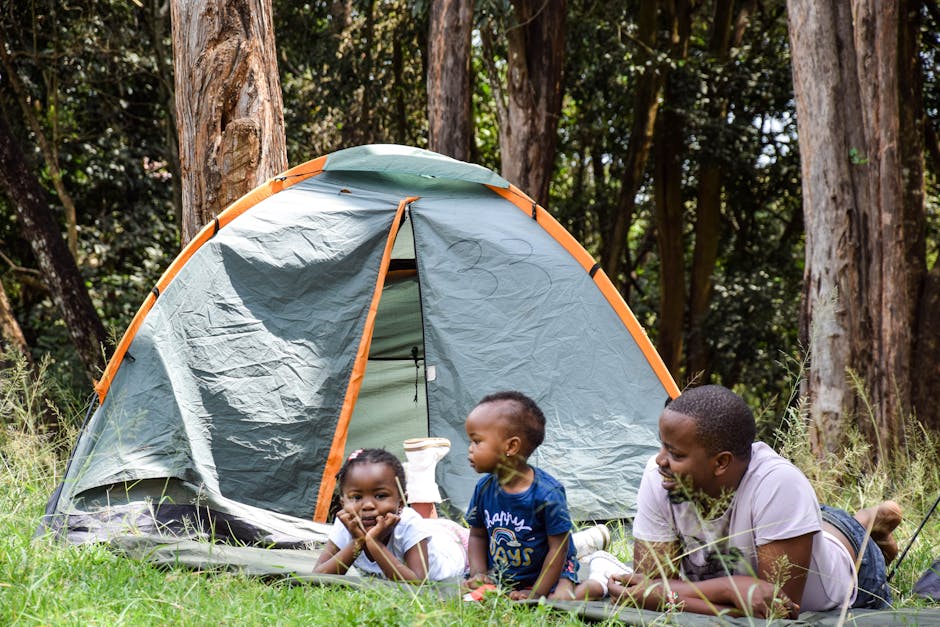
Why Family Camping Is Surging in 2026
The outdoor recreation industry has seen remarkable momentum heading into 2026. According to the Outdoor Foundation’s tracking data, over 52 million American households participated in some form of camping in 2025 — a number that’s held strong post-pandemic as families continue prioritizing “experience spending” over material goods. The trend is similar globally: South Korea’s camping (캠핑) culture has exploded, with over 700 registered glamping and auto-camping sites nationwide. European families, particularly in Germany and the Netherlands, have long normalized camping as a multi-generational ritual.
The shift in 2026 is particularly interesting: camping gear has gotten smarter, lighter, and significantly more beginner-friendly. You no longer need to be a wilderness expert to pull off a comfortable family trip. That said, knowing what to plan for is still half the battle.
The Real Costs of Family Camping (What Nobody Tells You)
Let’s be honest about the numbers before you get starry-eyed. A common beginner mistake is underestimating startup costs. Here’s a realistic breakdown for a family of four:
- Tent (4-6 person): $80–$350 depending on weather rating and brand. For beginners, a mid-range option like REI’s Passage series or Coleman’s Sundome works well without breaking the bank.
- Sleeping bags (x4): $40–$120 each. Kids’ versions are widely available now in 2026 with improved insulation for 3-season use.
- Sleeping pads or air mattresses: $20–$80 per person. Self-inflating pads are a game-changer for comfort.
- Cooking setup (camp stove + cookware): $60–$150. Many campgrounds now have fire grates, but a backup stove is essential.
- Lighting (headlamps + lantern): $30–$80 total. Solar-charged lanterns have improved dramatically in 2026.
- Cooler: $40–$200. A quality cooler is worth the investment — it directly affects food safety and meal planning.
- First aid kit + miscellaneous: $30–$60.
Total startup investment: roughly $500–$1,200 for quality beginner gear. Yes, that sounds like a lot — but compared to a mid-range hotel stay for four over a weekend ($300–$600 per night in most metros in 2026), you’re breaking even after two or three trips.
Pro tip: Before buying everything, check if your local REI, MEC (Canada), or outdoor co-op runs gear rental programs. Many do in 2026, and renting for your first trip lets you test what you actually need before committing.
Choosing Your First Campsite: Domestic & International Examples
Location choice can make or break a first-timer’s experience. Let’s look at some real-world examples that work well for families:
In the United States: KOA (Kampgrounds of America) remains one of the most beginner-friendly chains as of 2026, with over 500 locations offering electrical hookups, clean bathrooms, and even camp stores. Their “Deluxe Cabins” option is a fantastic bridge for families who want the camping experience without full gear investment. State parks like Shenandoah (Virginia) or Starved Rock (Illinois) offer well-maintained family loops with ranger-led programs that kids genuinely love.
In South Korea (캠핑 문화): The Korean auto-camping culture — where you drive directly to your pitch — is one of the most family-friendly in the world. Sites like Namhansanseong Provincial Park near Seoul or Dadohaehaesang National Park in the south offer designated family zones with Wi-Fi and barbecue facilities. Korean camping culture in 2026 has also embraced glamping (glamorous camping) aggressively, with bubble tents and themed sites that make it genuinely accessible for even the most reluctant family members.
In Europe: France’s network of campings municipaux (municipal campgrounds) offers some of the best value on the continent — often under €25/night with pool access and playgrounds. The Dordogne region is particularly legendary for family camping in summer.
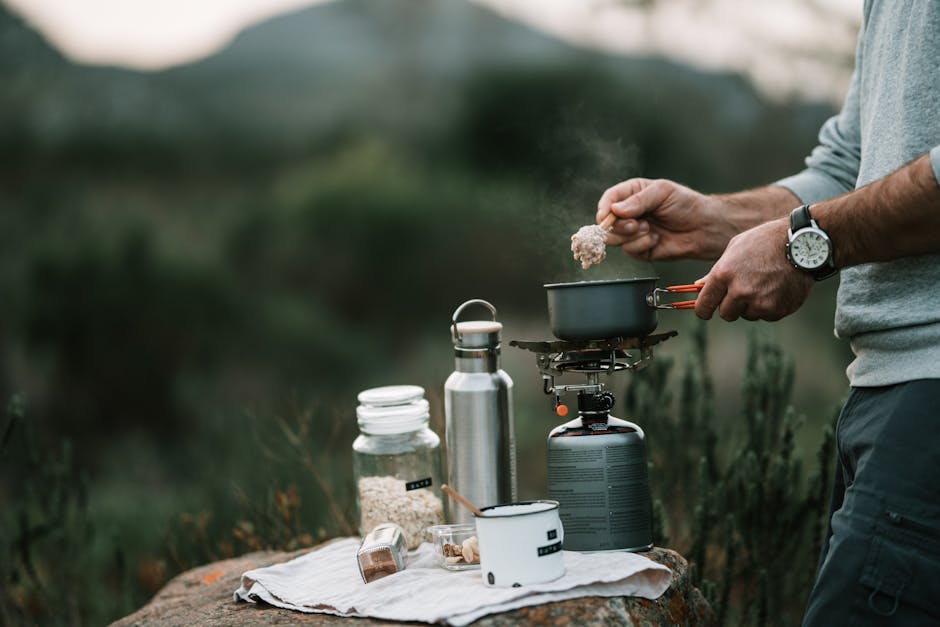
Building Your First Weekend Itinerary
Rather than a 5-day wilderness expedition, beginners should absolutely start with a 2-night Friday-to-Sunday trip within 2 hours of home. Here’s a simple framework that works:
- Friday evening: Arrive with daylight. Set up camp as a team — even toddlers can carry small items. This is secretly the most bonding part of the trip.
- Saturday morning: Easy 1–2 hour hike or nature walk. Check the trail’s difficulty rating in advance — apps like AllTrails (updated with 2026 trail data) are invaluable.
- Saturday afternoon: Free play time at camp. Frisbees, card games, fishing if available. Resist the urge to over-schedule.
- Saturday evening: Campfire cooking. Hot dogs and foil-packet meals are classics for a reason. S’mores are non-negotiable.
- Sunday morning: Pack up slowly, leave no trace, head home before the post-weekend highway rush.
Safety Considerations Beginners Often Overlook
This is where we need to think logically, not fearfully. Wildlife encounters, sudden weather changes, and minor injuries are the most common challenges for families. Here’s how to stay ahead:
- Always check the weather forecast for the specific campsite location (not just the nearest town) 48 hours before departure.
- Store all food in bear canisters or vehicle trunks — even in campgrounds. This applies to most North American sites and is increasingly required by regulation in 2026.
- Share your trip itinerary with someone who isn’t going. A simple text with your campsite name, arrival date, and departure date is enough.
- Teach kids the “hug a tree” protocol: if lost, stay in one place and hug a tree. It dramatically improves search-and-rescue outcomes.
Realistic Alternatives If Full Camping Feels Like Too Much
Here’s where I want to be real with you: not every family is ready for ground-sleeping in a tent on Night One, and that’s completely fine. There’s a beautiful spectrum of options in 2026:
- Glamping: Pre-set luxury tents or safari-style accommodations. Platforms like Hipcamp and Tentrr have exploded in availability. You get the outdoor experience without gear investment.
- Cabin Camping: Most state and national parks offer basic cabin rentals. You’re still in nature, still cooking over a fire, but sleeping on a real bed.
- Backyard Camping: Genuinely underrated. Set up a tent in your own yard for a night. Kids get the novelty, you get to walk inside if it rains. Perfect for ages 3–7 as an introduction.
- RV Rental: Companies like Outdoorsy and RVshare offer peer-to-peer RV rentals. For a first family trip, a Class C RV rental gives you mobility and a bed simultaneously.
The goal is to find the entry point that actually gets your family outside, not the “purest” version of camping that keeps you at home.
Editor’s Comment : Family camping in 2026 is genuinely more accessible than it’s ever been — the gear is better, the booking platforms are smarter, and the cultural conversation around outdoor time for kids has never been stronger. But the most important thing I’d tell any first-timer is this: lower your expectations for perfection and raise them for connection. Your tent might leak slightly. Someone will forget the can opener. The kids will complain for exactly 40 minutes before completely falling in love with it. That messy, imperfect weekend in the woods? That’s the one they’ll talk about for years. Start small, stay flexible, and just go.
태그: [‘family camping 2026’, ‘beginner camping guide’, ‘camping with kids’, ‘outdoor family travel’, ‘first camping trip’, ‘glamping alternatives’, ‘camping gear checklist’]
Leave a Reply