A few months ago, I found myself sandwiched between tour buses at Gyeongbokgung Palace, clutching an iced Americano and wondering — is this really the Korea I wanted to experience? Don’t get me wrong, the iconic spots are iconic for a reason. But after years of writing about travel, I’ve become increasingly convinced that the real soul of Korea lives somewhere quieter, somewhere the tour groups haven’t mapped yet. So I started digging into what travel insiders are calling 국내 오프더비튼패스 여행지 — Korea’s off-the-beaten-path destinations — and what I found genuinely surprised me.
In 2026, with domestic travel surging thanks to rising international airfare costs and a growing “slow travel” movement among Koreans and expats alike, these hidden corners of the peninsula are finally getting their moment. Let’s explore them together.
Why Off-the-Beaten-Path Travel Is Having a Moment in 2026
According to the Korea Tourism Organization’s 2026 domestic travel report, over 62% of Korean travelers surveyed said they actively sought destinations with fewer than 500,000 annual visitors — a dramatic shift from the crowd-chasing behavior of the early 2020s. This isn’t just a trend; it’s a philosophical pivot. People are tired of performative travel (the Instagram-first, experience-second approach) and are leaning into what travel psychologists call “restorative travel” — trips that genuinely recharge rather than exhaust.
The concept of off-the-beaten-path travel, or 오프더비튼패스 in Korean internet culture, essentially means deliberately avoiding the well-trodden tourist circuit. Think beyond Seoul, Busan, Jeju, and Gyeongju. Think smaller, stranger, and more personal.
1. Uljin (울진), North Gyeongsang Province — Korea’s Undiscovered Coastline
While Gangneung gets all the East Sea love, Uljin quietly sits 150km south with arguably more dramatic cliffs, cleaner water, and a fraction of the visitors. The Uljin Buldungsa Trail winds along sea cliffs and connects to a centuries-old Buddhist temple tucked into rock faces. The local king crab (대게) here is legendary — fishermen here will tell you it tastes different because of the deep cold currents, and honestly, after tasting it, I believe them.
2. Hampyeong (함평), South Jeolla Province — The Butterfly Capital
Hampyeong is a small agricultural county that reinvented itself with one brilliant idea: a butterfly festival. But beyond the festival (held every spring), Hampyeong offers flat cycling paths through endless rapeseed flower fields, traditional hanok villages, and a pace of life so unhurried it feels almost radical. For urban burnout sufferers — and in 2026, who isn’t one? — this is genuinely therapeutic.
3. Jeongseon (정선), Gangwon Province — Coal Country Turned Cultural Hub
Jeongseon was once the heart of Korea’s coal mining industry. Now it’s a fascinating study in post-industrial reinvention. The old rail lines have been converted into railbike routes that curve through mountain gorges with views that’ll make your jaw drop. The traditional five-day market (정선 오일장) is one of the last truly authentic rural markets in the country, where grandmothers sell handpicked mountain greens and homemade corn liquor without a hint of tourist theater.
4. Gochang (고창), North Jeolla Province — UNESCO Dolmens and Slow Food
Gochang holds a UNESCO World Heritage site — its prehistoric dolmen fields — yet somehow remains remarkably uncrowded. But the real draw in 2026 is Gochang’s emergence as a slow food destination. The county has invested heavily in agri-tourism, with farm stays where you can harvest naturally grown barley, learn traditional doenjang (fermented soybean paste) making, and sleep in converted farmhouses. It’s the kind of experience you can’t manufacture at a city hotel.
5. Namhae (남해), South Gyeongsang Province — The Mediterranean of Korea
Connected to the mainland by bridge, Namhae is an island that somehow still feels like a secret. German Village (독일마을) — a quirky settlement built by Korean miners who worked in Germany in the 1960s — is charming, but Namhae’s real magic is its terraced rice fields, fishing villages, and the Barae Trail, a coastal hiking path consistently rated among Korea’s most scenic by long-distance hikers.
6. Bonghwa (봉화), North Gyeongsang Province — The Last Wild County
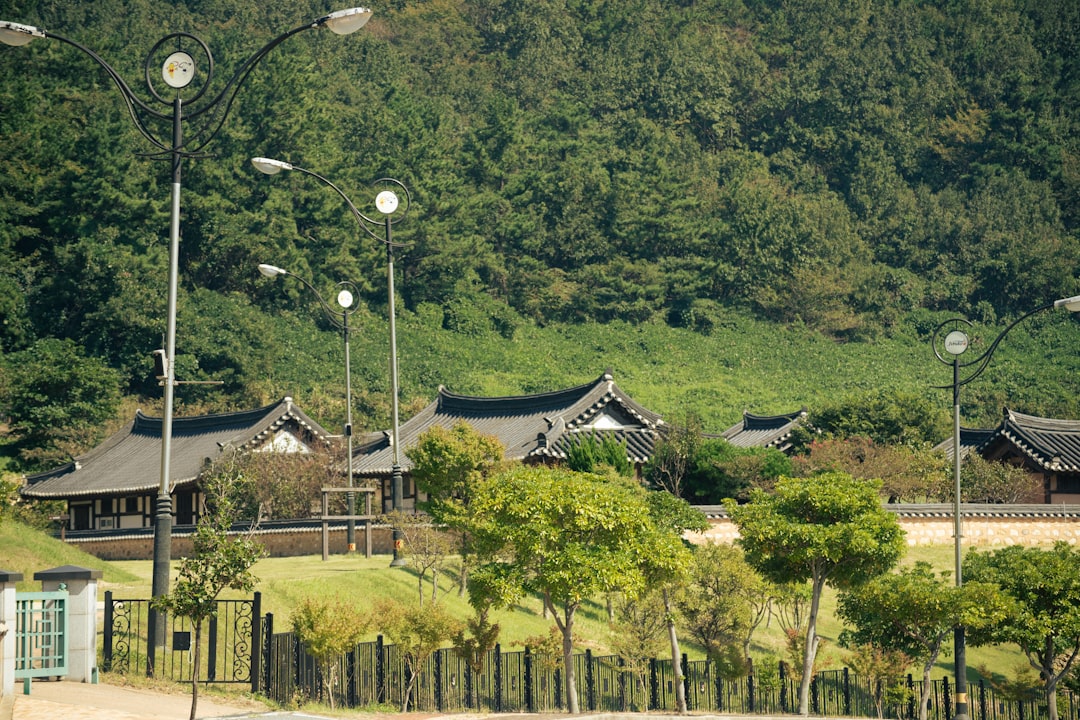
Bonghwa is statistically one of the least-visited counties in Korea, and that’s precisely the point. It’s a place of dense pine forests, wild mushroom foraging, and the Cheongsong-Bonghwa Baekdu Daegan trail sections that serious hikers keep to themselves. The county has almost zero tourist infrastructure — which is either a dealbreaker or a feature, depending on your travel personality. For those who want to feel like they’ve genuinely discovered something, Bonghwa delivers.
7. Taean (태안), South Chungcheong Province — Sand Dunes and Slow Sunsets
Most Seoulites know Taean only as a beach day-trip destination, but the Taean Coastal National Park stretches across 77km of coastline with sand dunes (rare in Korea!), pine forests, and tidal flats that host incredible birdwatching. The slower shoulder seasons — early spring and late autumn — transform Taean into something almost meditative. Sunset at Kkotji Beach in October is one of those experiences that defies description.
Practical Tips for Exploring These Hidden Gems
- Transportation: Most of these destinations require a car or careful bus planning. Korea’s intercity express bus network (고속버스) is excellent, but the last mile to rural sites often needs a rental car or taxi coordination.
- Accommodation: Look beyond hotels — hanok stays, farm guesthouses (농가민박), and local pension-style lodges offer far more authentic experiences at comparable prices.
- Timing: Avoid Korean public holidays (Chuseok, Seollal, Golden Week) even for these lesser-known spots — the “off-the-beaten-path” label disappears fast during peak domestic travel seasons.
- Language: English signage is limited in most of these areas. A translation app and a downloaded offline Korean map (Naver Maps works better than Google in rural Korea) are essential.
- Budget: These destinations are generally 20–40% cheaper than major tourist hubs for accommodation and food — another compelling argument beyond the experience itself.
Realistic Alternatives Based on Your Travel Style
Not everyone is ready to rent a car and navigate a county with no English signs. That’s completely fair. Here’s how to calibrate:
If you’re a first-time Korea visitor who still wants something less touristy, consider Andong — it has solid infrastructure, English signage at major sites, and a legitimate off-the-beaten-path feel compared to Seoul or Busan. If you’re a repeat visitor craving depth, Jeongseon or Bonghwa are your challenges. If you’re traveling with elderly family members or young children, Taean or Namhae offer accessibility with scenery. And if you’re a digital nomad or solo traveler on a budget, Gochang’s farm-stay culture might just change how you think about travel entirely.
The beauty of Korea’s off-the-beaten-path scene in 2026 is that it’s not one-size-fits-all. The country is small enough that these places are genuinely reachable on a weekend, yet distinct enough that each one feels like a different world.
Editor’s Comment : After all the years I’ve spent writing about travel trends, what strikes me most about Korea’s hidden destinations in 2026 is that they don’t ask you to perform tourism — they invite you to simply be somewhere. That’s rarer than it sounds, and probably worth more than any bucket-list landmark. Pick one of these places, go slow, eat what the locals eat, and resist the urge to optimize the trip. The best travel stories are usually the unplanned ones anyway.
태그: [‘off the beaten path Korea’, ‘hidden travel destinations Korea 2026’, ‘domestic travel Korea’, ‘Korea slow travel’, ‘lesser known Korea spots’, ‘국내여행 추천’, ‘Korea travel guide 2026’]
Leave a Reply