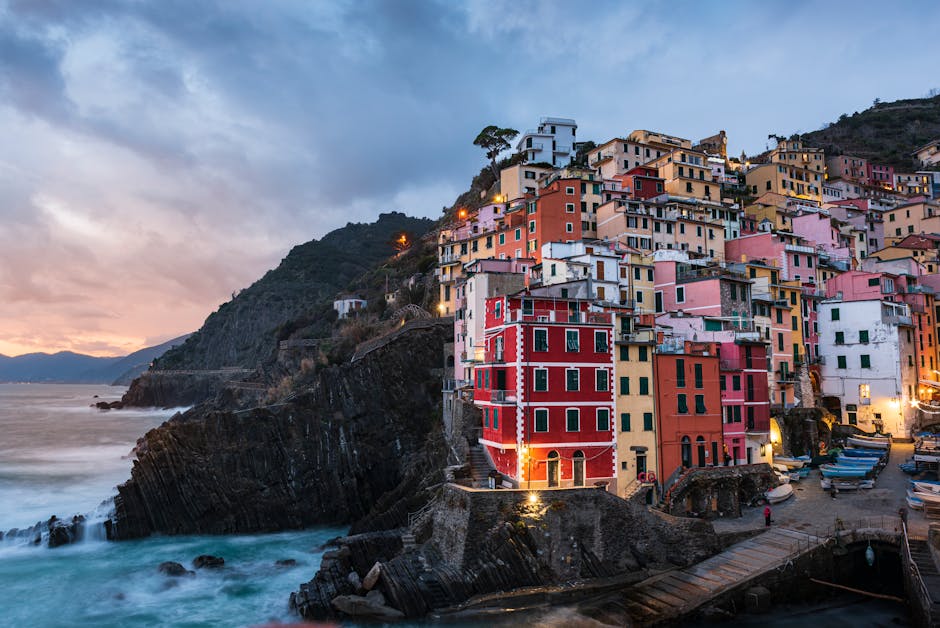
Last spring, a friend of mine — a seasoned traveler who’d done the whole Seoul-Busan-Jeju circuit at least four times — came back from a weekend in Tongyeong absolutely glowing. “It felt like Italy,” she said, “but with better seafood and half the price.” That one offhand comment sent me down a rabbit hole of researching Korea’s small-town travel scene, and honestly? I haven’t looked back since.
If you’ve been stacking up Korean travel content in 2026 and still feel like every itinerary starts with Gyeongbokgung Palace and ends at a Myeongdong street food stall, you’re not alone — and you’re also not stuck. Korea’s domestic small-city (소도시) travel scene has exploded in the past two years, driven by a mix of remote-work flexibility, rising costs in major cities, and a genuine cultural hunger for slower, more intentional experiences.
Let’s think through this together, destination by destination.
Why Small-Town Korea Is Having Its Biggest Moment in 2026
Here’s some context worth knowing: according to the Korea Tourism Organization’s 2026 domestic travel index, searches for non-metropolitan destinations increased by 38% year-over-year, with travelers aged 25–40 leading the charge. Cities with populations under 300,000 — places like Namhae, Jecheon, and Boryeong — are seeing record boutique guesthouse bookings, many of them sold out months in advance during peak foliage and cherry blossom seasons.
Why the shift? A few converging forces:
- Cost fatigue: Seoul hotel rates in 2026 average ₩180,000–₩300,000/night even for mid-range options. A charming hanok guesthouse in Andong or a sea-view pension in Geoje? Often under ₩100,000.
- The “slow travel” movement: Post-pandemic travel psychology still favors depth over breadth — spending three days in one small town rather than cramming five cities into a week.
- Improved infrastructure: The KTX and SRT network expansions completed in late 2024 and 2025 now connect many secondary cities in under 2 hours from Seoul.
- Instagram fatigue with “famous spots”: Travelers are actively seeking places that feel personal and undiscovered — even if they’re technically well-known locally.
Top Small-Town Itineraries Worth Planning Right Now
Rather than giving you a generic list, let me walk you through a few realistic itinerary frameworks depending on what kind of traveler you are.
🌊 For the Coastal Dreamer: Tongyeong (통영) — 2 to 3 Days
Often called the “Naples of Korea,” Tongyeong sits on the South Sea and punches well above its weight. Start your first morning at Gangguan Port for fresh oysters directly from the market — this is non-negotiable. Spend the afternoon taking the cable car up Mireuksan Mountain for a panoramic view of the island archipelago. On day two, take a ferry to Bijindo Island and walk the famous tombolo — a sandbar that connects two land masses and appears at low tide. Day three is for wandering the Dongpirang Mural Village at your own pace and sitting at a dockside café doing absolutely nothing productive. That’s the point.
🏯 For the History Buff: Andong (안동) — 2 to 3 Days
Andong is arguably Korea’s most culturally preserved small city. The Hahoe Folk Village (a UNESCO World Heritage Site) is the centerpiece, but don’t overlook Dosan Seowon, a 16th-century Confucian academy that still carries an almost meditative stillness. Local food here is distinctive too — heotjesatbap (a ceremonial rice table spread) and Andong jjimdak (braised chicken) are regional staples you genuinely cannot replicate elsewhere.
🌸 For the Nature Seeker: Boseong (보성) — 1 to 2 Days
The green tea fields of Boseong are best visited in mid-April or early November when the light hits the terraced rows just right. It’s a short trip — most people do it as a day-trip from Gwangju — but spending one night at a local minbak (homestay) to catch the morning mist rolling over the fields is an entirely different experience. Pair it with a visit to Yulpo Beach, only 15 minutes away, for a surprisingly uncrowded coastal finish.
🎨 For the Quirky Explorer: Jeonju (전주) — 2 Days (Hanok Village + Beyond)
Yes, Jeonju is well-known — but most visitors only see the Hanok Village. If you’re willing to walk 20 minutes further, the Gaeksa area and the lesser-visited Omokdae hill offer a completely different, crowd-free perspective. Jeonju’s food scene in 2026 has also evolved significantly, with a new wave of young chefs reinventing traditional hansik (Korean cuisine) in small tasting-menu formats that are worth booking in advance.
Practical Tips to Make These Trips Actually Work
- Transportation reality check: Not all small towns are KTX-accessible. For places like Boseong or Namhae, renting a car (easily done via apps like Lotte Rent-a-Car or Greencar) is genuinely the better option — and it opens up detour possibilities that public transit simply can’t match.
- Accommodation booking window: For weekend trips between April–June and September–November (peak seasons), book at least 4–6 weeks ahead for smaller guesthouses. They fill up fast and many don’t list on major OTAs — check Naver or local tourism board sites.
- Language barrier: Outside of major tourist areas, English signage drops significantly. Having Naver Maps (not Google — trust me on this) and Papago translation app installed is genuinely essential.
- Budget framing: A well-planned 2-night small-town trip can realistically come in under ₩300,000–₩400,000 per person including accommodation, food, and local transport. That’s often less than a single night in a Seoul business hotel.
Realistic Alternatives If These Destinations Don’t Fit Your Schedule
Not everyone can do a full 2–3 day trip. If you’re working with a single day or a tight weekend, here’s how to recalibrate:
- Day trip from Seoul: Chuncheon (닭갈비 + Nami Island area), Gapyeong, or Icheon (ceramics + hot springs) are all under 90 minutes by train or express bus and offer a genuinely different atmosphere from the capital.
- Weekend from Busan: Geoje Island or Namhae can be done in a single overnight — both are within 1.5 hours by car and offer coastal scenery that rivals anything in Southeast Asia.
- Low-mobility or family travel: Jeonju and Gyeongju are the most accessible small cities, with flat walking paths, clear signage, and family-friendly food options readily available.
The beauty of Korea’s small-town travel landscape in 2026 is that it genuinely rewards curiosity over convenience. You don’t need a massive budget or two weeks off work — you just need the willingness to look slightly beyond the obvious.
Start with one destination. Take it slowly. Let the town surprise you.
Editor’s Comment : The best small-town trips aren’t the ones with the most Instagram-worthy moments — they’re the ones where you stumble into a local grandmother’s side-street tteok shop and end up staying an extra hour just talking (in broken Korean and enthusiastic gestures). Plan the framework, but leave room for the unplanned. That’s where the real itinerary writes itself.
태그: [‘Korea small town travel 2026’, ‘소도시 여행 코스’, ‘domestic travel Korea’, ‘Tongyeong travel guide’, ‘Andong itinerary’, ‘Korean slow travel’, ‘hidden gems Korea 2026’]
Leave a Reply