Last spring, a friend of mine spent three days in a small coastal town in Portugal that barely had 2,000 residents. No Instagram-famous cliffs, no Michelin-starred restaurants — just a fish market that opened at 5 a.m., a bakery run by a 70-year-old grandmother, and a hiking trail that led to a viewpoint only the locals knew about. She came back completely transformed. ‘I actually rested,’ she told me. In 2026, that feeling — the one you can’t get from a packed tourist corridor — is exactly what travelers are chasing. Welcome to the era of 로컬 여행 핫플레이스 (local travel hot spots), reimagined for a world that’s finally learned to slow down.
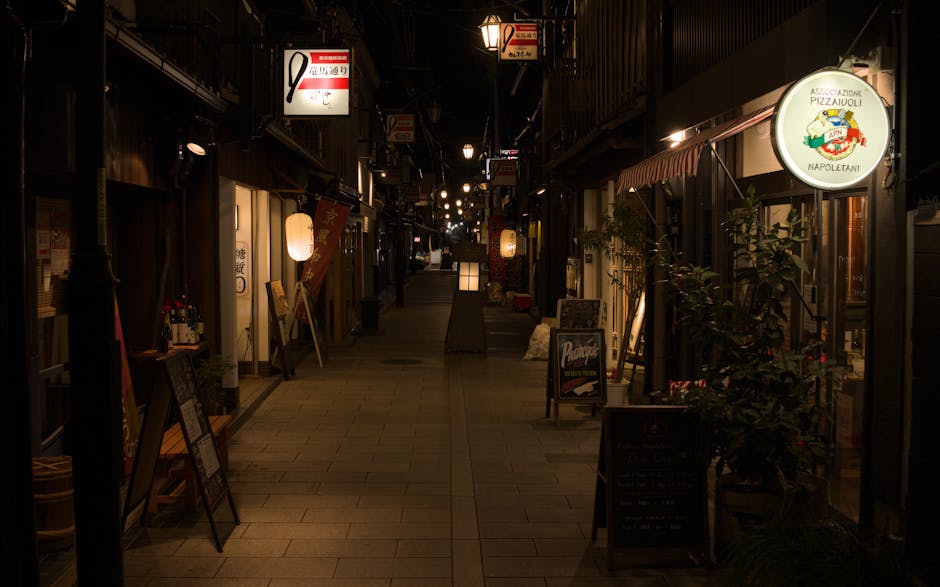
Why Local Travel Is Dominating in 2026
The numbers are telling a fascinating story. According to the 2026 Global Travel Sentiment Index published by Skift Research, 67% of millennial and Gen Z travelers now actively prioritize ‘off-the-beaten-path’ experiences over traditional landmark tourism — a sharp jump from 48% just four years ago. More strikingly, average trip durations in hyper-local destinations have increased to 4.2 nights compared to the 2.1-night average for major city tourism. People aren’t just passing through anymore; they’re settling in.
There’s a logistical reason behind this shift too. Overtourism penalties — including entry caps in places like Barcelona’s Gothic Quarter, Kyoto’s Gion district, and Thailand’s Maya Bay — have effectively pushed curious travelers to rethink their itineraries. When your first-choice destination has a 3-month advance booking requirement, the charming town two hours away suddenly looks a lot more appealing. And honestly? Most people are finding it’s the better deal.
Economists call this ‘tourism displacement’, but travelers are calling it a revelation. Local tourism also tends to be gentler on the wallet — the 2026 Lonely Planet Traveler Survey found that hyper-local trips average 31% lower daily spending while reporting 22% higher satisfaction scores than equivalent urban tourism packages.
Global and Domestic Examples Worth Watching Right Now
Let’s ground this in real places, because abstract trends only take us so far.
Internationally: The Faroe Islands — once considered too remote — have become a masterclass in managed local tourism. Their ‘Closed for Maintenance, Open for Voluntourism’ program, now in its ninth year, caps visitors at 5,000 per season and requires tourists to contribute one day of trail maintenance. The result? A waiting list, a thriving local economy, and trails that are actually in better shape than five years ago. Similarly, Tbilisi’s Fabrika district in Georgia has quietly evolved into one of Europe’s most compelling local-culture destinations, where Soviet-era factory buildings now house micro-breweries, independent designers, and communal gardens — all rooted in neighborhood identity rather than tourist packaging.
In South Korea, the 로컬 여행 (local travel) movement has found particularly fertile ground. Areas like Euljiro’s print district in Seoul and the Gamcheon Culture Village in Busan have long been cited, but the real 2026 story is happening in smaller cities: Gunsan (군산) with its Japanese colonial-era architecture and indie café culture, and Andong (안동), which is turning its traditional hahoe village heritage into immersive multi-day cultural stays rather than day-trip photo stops. The Korea Tourism Organization’s 2026 Local Discovery Program has funneled ₩48 billion into supporting exactly these kinds of experiences.
What Makes a Destination a True Local Hot Spot in 2026?
Not every ‘hidden gem’ label is earned. Here’s what actually separates a genuine local hot spot from a rebranded tourist trap:
- Community ownership: Local businesses, not hotel chains or outside investors, are the primary economic beneficiaries. Look for family-run guesthouses, neighborhood food markets, and locally guided tours.
- Cultural texture you can participate in: The best local spots offer something to do alongside locals — a morning market, a craft workshop, a community festival — not just something to photograph.
- Sustainable visitor capacity: The destination has thought about how many visitors it can absorb without degrading what makes it special. This might be formal (entry quotas) or informal (seasonal timing).
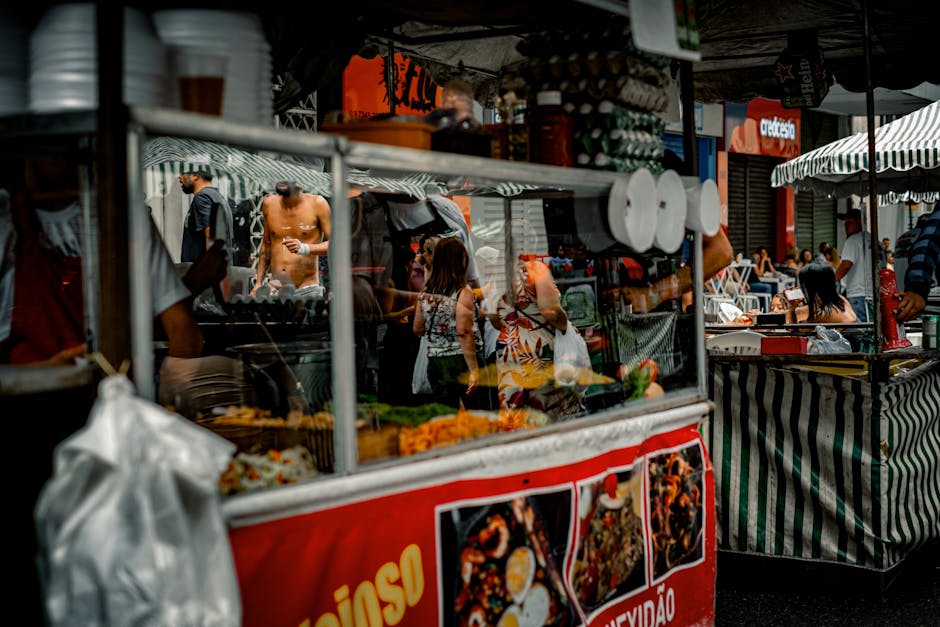
- Authentic food ecosystems: If the restaurant menus near the main square look suspiciously similar to tourist menus in every other country you’ve visited, that’s a red flag. Genuine local spots have food that would confuse or challenge a newcomer — in the best possible way.
- Slow infrastructure: Walking paths, bicycle rentals, and public transit connections rather than tour bus drop-off zones. How a destination moves people around reveals its philosophy.
- A reason to stay more than one night: Real local character takes time to unfold. If everything ‘worth seeing’ can be done in three hours, it might be a scenic stop rather than a local travel destination.
Practical Alternatives: Making Local Travel Work for Your Situation
Not everyone can fly to Georgia or spend a week in a Korean countryside village. But the local travel philosophy is remarkably adaptable — and here’s where I’d encourage you to think creatively about your own context.
If you’re budget-constrained: Local travel is actually your best friend financially. Consider domestic micro-trips — towns within 2–3 hours of your home city that you’ve never properly explored. The infrastructure is familiar, language isn’t a barrier, and accommodations in smaller towns are often 40–60% cheaper than equivalent urban stays. The ‘local hot spot’ might be a town you’ve driven past on the highway for years.
If you have limited time (long weekends only): Don’t fight it — lean into it. A 2-night stay in a genuine local destination will almost always feel more restorative than a rushed 4-city European sprint. Depth over breadth is the 2026 traveler’s mantra. Pick one place and actually inhabit it.
If you’re traveling with family or groups: Local destinations often offer the best mix for diverse interests. A food market entertains the foodies, a hiking trail satisfies the active travelers, and a well-preserved neighborhood gives cultural depth for the history lovers — all within walking distance of each other, without the coordination nightmare of a major city itinerary.
If you’re worried about missing out on ‘the big stuff’: Here’s a perspective shift worth trying — the ‘big stuff’ (Eiffel Tower, Colosseum, etc.) will still be there next time. But a specific grandmother’s bakery, a neighborhood jazz festival, or a harbor at sunrise before the fishing boats leave? That exact version of it won’t repeat. Local travel trades the reproducible for the irreplaceable.
Editor’s Comment : The real magic of local travel in 2026 isn’t that the destinations are secret — it’s that they require you to show up as a participant rather than a spectator. The hot spots worth seeking aren’t marked on the front page of any algorithm; they’re found by slowing down enough to notice them. Start smaller than you think you need to, stay longer than feels efficient, and talk to someone who actually lives there. That’s the whole playbook.
태그: [‘local travel 2026’, ‘slow tourism’, ‘hidden gem destinations’, ‘off the beaten path’, ‘sustainable travel’, ‘로컬 여행’, ‘travel hot spots 2026’]
Leave a Reply