Last autumn, a close friend of mine — a Seoul-based graphic designer who hadn’t taken a real vacation in three years — came back from a solo weekend trip looking completely transformed. Not just rested. Transformed. She hadn’t gone to Jeju or Busan. She’d stumbled onto a mossy forest trail near a tiny village in Gangwon-do that almost nobody talks about online. “I didn’t even bring my phone charger,” she laughed. “Best mistake I ever made.”
That story stuck with me, because it captures something we’re all quietly craving in 2026 — not just travel, but genuine disconnection and natural restoration. South Korea, despite being one of the most wired nations on Earth, is quietly packed with extraordinary hidden natural sanctuaries that most tourists — and even many locals — walk right past.
Let’s think through this together and explore some of Korea’s most breathtaking secret healing spots, and more importantly, how to actually get there and make the most of your time.
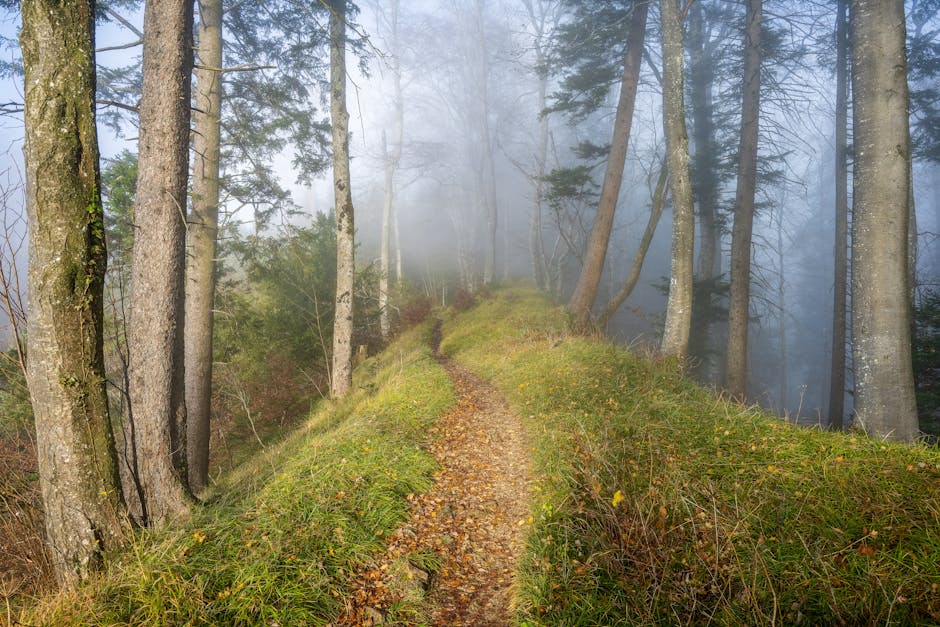
Why “Hidden” Healing Spots Matter More Than Ever in 2026
South Korea’s urban density is staggering. According to Statistics Korea’s 2025 data, over 91% of the population lives in urban or semi-urban areas. The average Seoul resident spends roughly 8.4 hours per day in front of screens — a number that has only inched upward since 2023. Burnout rates among workers in their 30s and 40s have reached a 12-year high according to the Korean Occupational Safety and Health Agency’s latest report.
The concept of shinrin-yoku (森林浴) — forest bathing, originally a Japanese therapeutic practice — has gained serious scientific traction in Korea too. A 2024 study published in the Korean Journal of Environmental Health found that just 120 minutes of immersive forest exposure reduced cortisol levels by an average of 23% in urban participants. That’s not a small number. That’s the equivalent of nearly two weeks of regular sleep improvement — from a single weekend.
The catch? Popular spots like Nami Island or Seoraksan get so congested that the restorative effect is largely canceled out by the crowds and noise. This is exactly why discovering the genuinely off-the-beaten-path locations isn’t just a preference — it’s practically a medical necessity for effective rest.
Korea’s Best-Kept Natural Healing Destinations Right Now
Here’s where it gets exciting. Let me walk you through some spots that deserve far more attention than they receive:
- Mureung Valley (무릉계곡), Donghae, Gangwon-do: Often overshadowed by its flashier neighbors, this valley offers some of the most pristine granite rock formations and crystal-clear streams in the country. The trail system is well-maintained but rarely crowded on weekdays. Pro tip: arrive before 8am to have the entire lower valley almost entirely to yourself.
- Gongryong Ridge (공룡능선), Outer Seoraksan: Most visitors only do the inner trails. The outer ridge, accessible from Osaek, rewards the more determined hiker with panoramic views and near-total solitude. It’s strenuous — plan for 6+ hours — but the emotional payoff is extraordinary.
- Byeongsanbando National Park, North Jeolla Province: This coastal park is the great forgotten gem of Korean nature tourism. Ancient pine forests meet dramatic sea cliffs without a single resort hotel in sight. It’s genuinely quiet here, even in peak season.
- Unbong Wetland Ecological Park (운봉 생태공원 일대), near Namwon: Technically not a park in the flashy sense — it’s a series of wetland habitats that most people drive straight past. Birdwatchers and solo walkers who know about it treat it like a private secret. Seasonal wildflowers from April through June are absolutely stunning.
- Hamyang Saneum Recreational Forest (함양 산음 자연휴양림): Government-managed but wonderfully undervisited, this forest in South Gyeongsang Province has overnight cabin options, silent walking trails, and a therapeutic smell of pine resin that hits you immediately upon arrival.
Domestic & International Comparisons: What Makes Korea Unique
Internationally, the concept of “healing tourism” is booming. Japan’s Yakushima Island, New Zealand’s Fiordland, and Norway’s Lofoten Islands consistently top global wellness travel lists. What they share is a combination of accessibility, preserved wilderness, and intentional slowness.
Korea’s hidden gems offer something arguably more compelling for residents: proximity without sacrifice. Mureung Valley is 3.5 hours from Seoul by bus. Byeongsanbando is accessible by KTX to Jeonju followed by a short transfer. You don’t need a passport, a 12-hour flight, or an expensive travel agent.
Domestically, compare this to the over-commercialized Jeju Island experience in 2026 — which, while beautiful, now features traffic jams on the Olle trails and cafes on nearly every scenic overlook. The hidden spots listed above deliberately lack Instagram infrastructure, which is precisely what makes them heal.
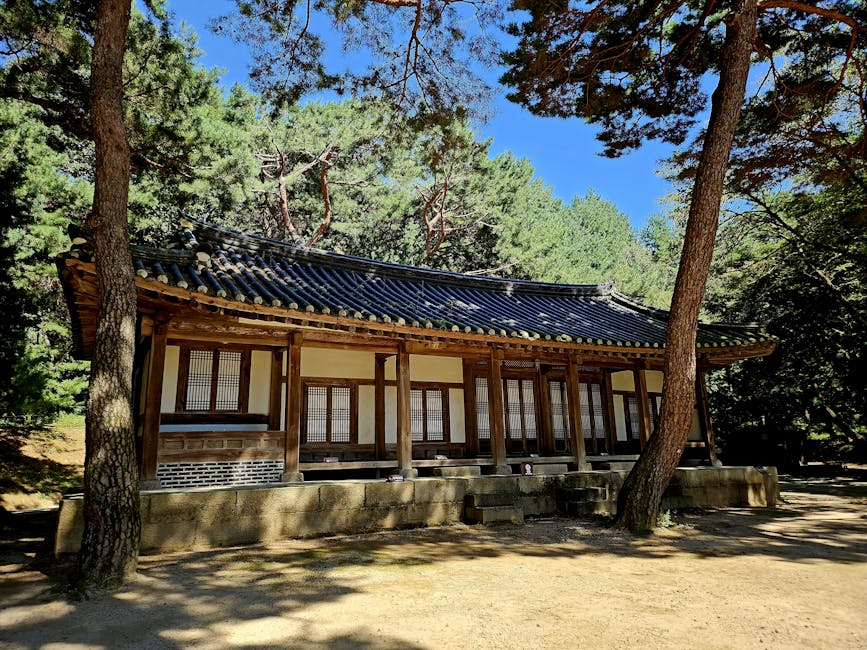
Practical Planning: Making the Healing Actually Happen
Here’s the honest part most travel blogs skip: knowing about a hidden spot and actually going there are two very different things. Let’s be realistic about the logistics:
- Transportation: Several of these locations require a car or a combination of intercity bus and local taxi. Apps like Kakao T and Naver Maps are your best friends — they show real-time public transit options even for rural areas.
- Accommodation: Look beyond pension villages (팬션). Korea’s jayeon hueyang (자연휴양림) system — government-run forest recreational forests — offers affordable cabins that book up fast. Reserve through the National Recreation Forest Reservation System (숲나라) at least 3–4 weeks in advance.
- Best seasons: Spring (April–May) and autumn (October–November) are ideal for most of these spots. Summer is manageable for coastal parks but the humidity in inland forest areas peaks in late July and August.
- What to leave behind: Seriously consider the “dumb phone weekend” trend that’s picked up in Korea’s wellness communities this year. Multiple offline digital detox retreat programs now operate in Gangwon-do, and even just leaving your primary phone in airplane mode changes the quality of attention you bring to natural spaces.
Realistic Alternatives If You Can’t Go Far
Not everyone can take a weekend trip on short notice — kids, work schedules, budgets, health conditions. That’s a real constraint worth acknowledging. But the principle of natural micro-healing can still apply closer to home:
Seoul’s Bukhansan National Park, while not hidden, has less-frequented eastern ridge trails that feel genuinely remote. Daejeon’s Gyeryongsan offers a meaningful forest experience with only a 90-minute KTX ride. Even urban ecological parks like Seoul Forest’s quieter back sections — visited early on a Tuesday morning — can provide a meaningful cortisol reset in 45 minutes flat.
The goal isn’t perfection. The goal is intentional, regular contact with natural environments that don’t demand anything from you. Even imperfect access to nature beats none at all.
Editor’s Comment : What strikes me most about Korea’s hidden healing spots is that they’re hidden largely because we’ve been trained to look for places that look good on a screen rather than feel good in a body. The most restorative experiences I’ve researched for this piece share one common thread: they’re quiet enough that you can actually hear your own breathing again. In 2026, that might be the rarest luxury of all. Start small — even one of these spots, even for a single overnight — and pay attention to how different you feel when you return. Your nervous system will thank you before your Instagram followers ever will.
태그: [‘hidden healing spots Korea’, ‘Korean nature travel 2026’, ‘secret natural destinations Korea’, ‘forest bathing Korea shinrin-yoku’, ‘wellness travel Korea’, ‘off the beaten path Korea’, ‘nature healing travel Korean’]
Leave a Reply