I still remember the moment a fellow traveler at a Seoul guesthouse told me, “I’ve been to Gyeongbokgung three times, but I had no idea there was a centuries-old rice wine brewery tucked behind a neighborhood laundromat just two blocks away.” That single conversation completely rewired how I think about domestic travel in Korea. The best stories, it turns out, aren’t at the most-photographed spots — they’re hiding in plain sight, waiting for someone curious enough to look sideways.
If you’ve been living in or visiting Korea and feel like you’ve “done” the classics — Jeju Island, Bukchon Hanok Village, Nami Island — let’s think through this together. What does it actually mean to experience a place? And more importantly, what unique local tour routes are emerging in 2026 that can genuinely surprise even seasoned domestic travelers?
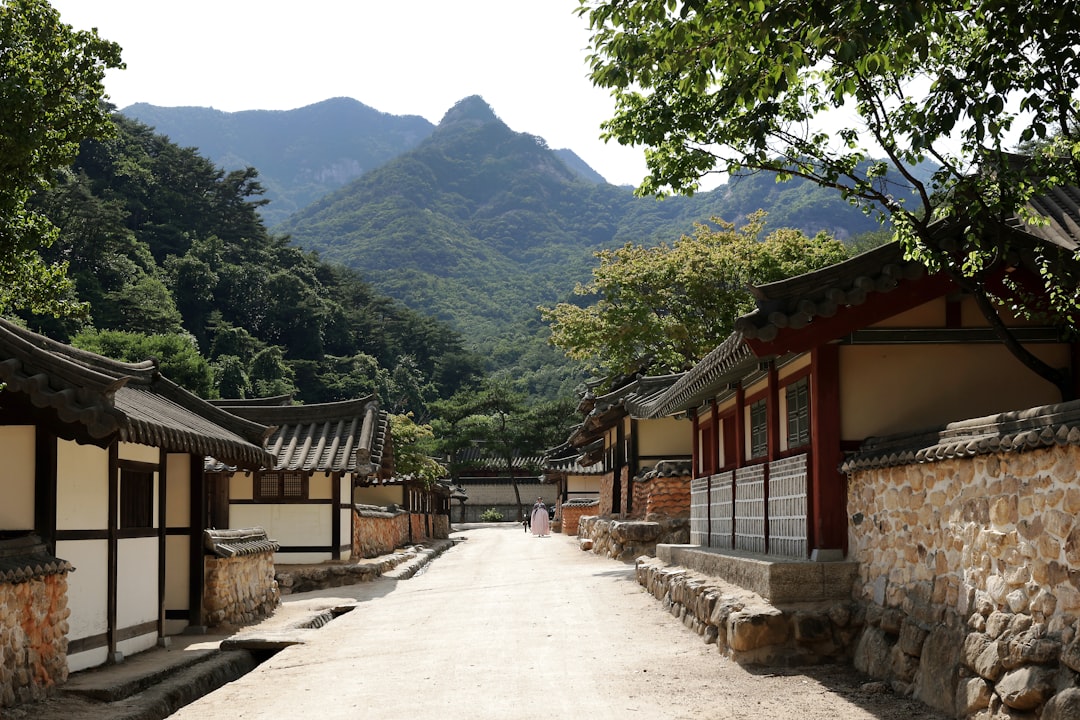
Why “Different” Matters More Than Ever in 2026
Korea’s domestic tourism industry has undergone a notable shift. According to the Korea Tourism Organization’s 2026 Q1 report, over 67% of domestic travelers under 40 now actively seek “experiential” and “story-driven” tours over conventional sightseeing. That’s a massive behavioral shift from even five years ago. The trend has a name in Korean tourism circles: 로컬 크리에이티브 투어리즘 (Local Creative Tourism) — a framework that prioritizes authentic community interaction, craft culture, and slow travel over landmark-hopping.
So what’s actually driving this? Think about it logically: when every tourist spot looks the same on Instagram, differentiation becomes the new luxury. Travelers aren’t just bored — they’re actively hungry for meaning. And that’s exactly why niche local routes are not just a passing trend; they’re a structural evolution in how Koreans (and visitors to Korea) engage with their own geography.
5 Genuinely Unique Local Tour Corridors Worth Exploring
- Gunsan’s Japanese Colonial Architecture Trail (전북 군산): Gunsan is often called Korea’s “time capsule city.” Walking its preserved Japanese colonial-era streets isn’t just aesthetically striking — local guides now offer context-rich tours that reframe this complicated history through the lens of Korean resilience. Unlike a typical heritage museum, you’re literally standing inside the narrative.
- Yeongyang Dark Sky Village, Gyeongbuk (영양 반딧불이천문대 일대): Designated as one of Asia’s few certified dark-sky preserves, Yeongyang offers nighttime stargazing tours combined with traditional mountain village homestays. It’s one of the rare places in Korea where turning off your phone actually enhances the experience — not ruins it.
- Bogil Island Slow Food Circuit, Jeonnam (보길도): Beyond the famous Yun Seon-do Garden, Bogil Island has quietly developed a farm-to-table slow food tour circuit where travelers forage seasonal ingredients with local grandmothers and cook them in traditional wood-fired kitchens. No menus. No apps. Just food with a story.
- Cheongju Craft Beer & Ceramic Art Route (청주 공예비엔날레 권역): Cheongju — home to the world’s oldest metal-printed book, Jikji — has reinvented itself as a craft hub. In 2026, a curated half-day route connects independent ceramic studios with microbreweries using locally sourced barley and wild hops. It’s surprisingly coherent as an experience.
- Uljin Eco-Walking Trail & Sea Fishing Village (울진 금강송 숲길): The ancient Korean red pine forest here predates most modern cities. Guided eco-tours now pair forest bathing (숲치유, or forest therapy) with a morning fishing session at nearby Hupo Harbor. The combination of silence and salt air is quietly transformative.
What International Travelers Are Saying
It’s worth noting that Korea isn’t operating in a vacuum here. Japan’s satoyama (rural village) tourism model and New Zealand’s “Tiaki Promise” (a pledge to care for the land while traveling) have both influenced how Korean local tour operators are designing their offerings. In fact, the Bogil Island slow food model draws direct inspiration from Italy’s Slow Food Movement, adapted brilliantly to the haenyeo (women divers) coastal culture of southern Korea.
Internationally, travelers from Southeast Asia and Europe who’ve done these niche Korean tours in early 2026 consistently highlight one surprising element: the intimacy. Group sizes are small (often under 10 people), guides are frequently locals with deep personal ties to the area, and the pace allows for genuine conversation. That’s not something a bus tour to Gyeongju can replicate, no matter how good the itinerary is.
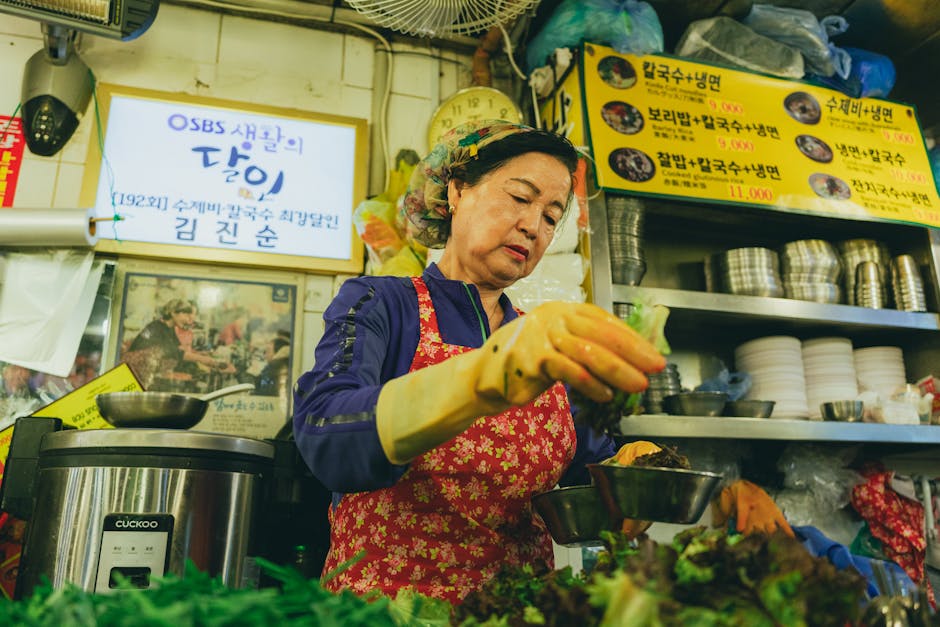
Realistic Alternatives If You Can’t Go Far
Here’s where I want to be genuinely practical. Not everyone can take a 3-day trip to Uljin or hop a ferry to Bogil Island. Life is real, and logistics matter. So let’s think through some accessible alternatives:
- Seoul’s Seun Arcade Maker District (세운상가): A short metro ride from central Seoul, this retro electronics and maker space district now hosts weekend “maker culture” walking tours. You can watch vintage radios being repaired next to 3D printing labs. It’s weird, wonderful, and free to explore independently.
- Suwon’s Hidden Alley Food Markets (수원 못골시장): Skip the Hwaseong Fortress Instagram queue and instead join a local food guide for a 90-minute dive into Suwon’s underdog neighborhood markets. The galbi (short rib) culture here is distinctly Suwon — and proudly so.
- Self-guided village archive tours: The Korea Rural Community Corporation (한국농어촌공사) publishes free downloadable self-guided tour maps for over 200 rural villages. These are genuinely underused resources that let you design your own meaningful route on a weekend budget.
The point is this: a “different” travel experience doesn’t always require a passport or a week of PTO. Sometimes it just requires resisting the first Google result and asking a local — or a good blogger — what they’d actually show you if you had two hours to spare.
Editor’s Comment : The most interesting thing about Korea’s local tour renaissance in 2026 isn’t the destinations themselves — it’s the mindset shift behind them. Travelers are increasingly asking “what will I understand better after this trip?” rather than “what will look good in my photos?” That’s a healthy evolution, and honestly, Korea’s layered history and hyperdiverse regional cultures are perfectly suited for it. If you take one thing from this piece, let it be this: the side street is almost always more interesting than the main road. Go find yours.
태그: [‘Korea local tour 2026’, ‘unique travel routes Korea’, ‘domestic travel Korea’, ‘off the beaten path Korea’, ‘slow travel Korea’, ‘Korean hidden gems’, ‘experiential tourism Korea’]
Leave a Reply