Blog

  • Surviving Long-Haul Flights with Toddlers in 2026: Honest Tips, Real Stories & What Actually Works

    Let me paint you a picture: It’s 11 PM at 35,000 feet, your 18-month-old has just launched a half-eaten rice cracker across the aisle, your seat-back screen is frozen, and the passenger in front has fully reclined their seat into your lap. Sound familiar? If you’ve ever traveled long-haul with a baby or toddler, you know this is less “adventure” and more “survival exercise.”

    But here’s the thing โ€” I’ve done the Seoul-to-Los Angeles route twice with my daughter before she turned three, and I lived to write about it. More importantly, I picked up genuinely useful strategies that no parenting book seems to spell out clearly. Let’s think through this together, because what works isn’t always what the Instagram travel moms suggest.
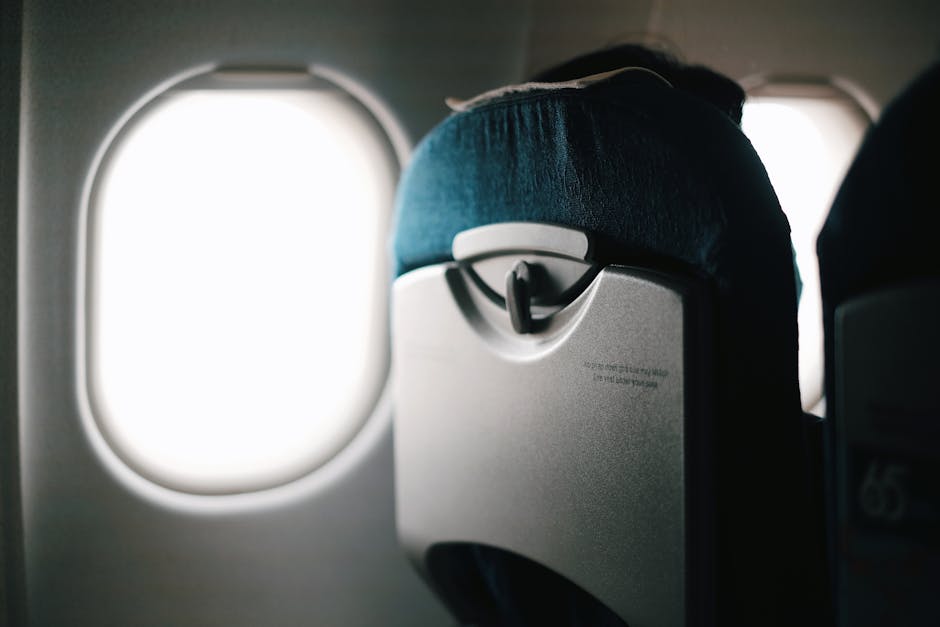
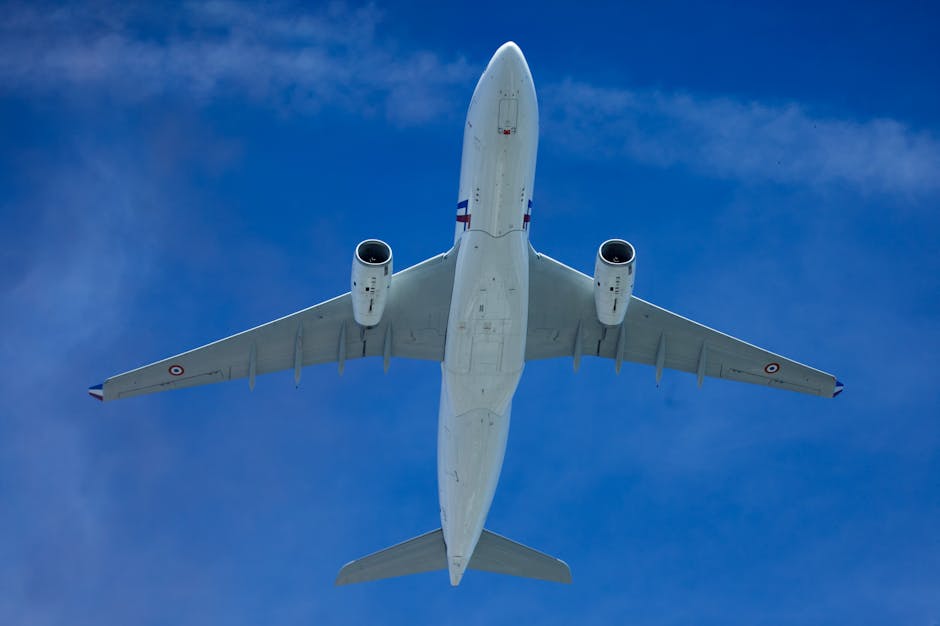
    toddler airplane travel family long-haul flight 2026

    ๐Ÿ›ซ The Numbers Don’t Lie: Why Long-Haul with Little Ones Is Genuinely Hard

    Before we dive into solutions, let’s acknowledge the reality. A long-haul flight โ€” typically defined as anything over 6 hours โ€” is physiologically rough on adults. For children under 3, whose circadian rhythms are still developing and whose ears are more sensitive to pressure changes, it’s exponentially harder. According to pediatric aviation health data reviewed in early 2026, children aged 6 months to 2 years are statistically the most disruptive age group on flights, not because parents are careless, but because that developmental window is genuinely the most challenging for environmental adaptation.

    Popular routes like Incheonโ€“London (about 12 hours), Tokyoโ€“New York (roughly 13โ€“14 hours), and Seoulโ€“Sydney (10+ hours) represent serious marathons for little bodies. Understanding this helps you plan realistically, not optimistically.

    ๐ŸŽ’ Pre-Flight Prep: The 80% Rule

    Here’s a framework I swear by: 80% of your in-flight success is determined before you board. The chaos you manage on the plane is largely a reflection of how well you prepared at home. Let’s break this down practically.

    • Book the bassinet row early (and strategically): Bulkhead bassinet seats are gold for infants under roughly 10โ€“11 kg. But they come with a catch โ€” no under-seat storage, and the fixed armrests can be awkward. Book these as soon as your ticket is confirmed, and call the airline directly to lock it in. Most airlines including Korean Air, Asiana, and major international carriers fill these fast in 2026.
    • Time your flight around sleep schedules: Red-eye flights are your friend with toddlers. A flight departing at 10โ€“11 PM local time means you’re boarding right around their natural sleep window. The first 4โ€“5 hours can be surprisingly calm if bedtime routine is intact.
    • Pack a dedicated “magic bag” of novelty items: Not their usual toys. Go to a dollar store or grab inexpensive new items they’ve never seen before. The novelty factor buys you time โ€” often 15โ€“20 minutes per new item, which adds up significantly on a 12-hour flight.
    • Download content offline ahead of time: In-flight Wi-Fi is inconsistent in 2026 despite improvements. Download favorite shows on Netflix, YouTube Kids, or Disney+ before departure. Bring a lightweight tablet with a toddler-proof case.
    • Pre-pack snacks that aren’t messy or crunchy: Think: pouched applesauce, soft cheese sticks, small crackers in a zip bag. Avoid anything that crumbles or smells strongly. Your seat neighbors will silently thank you.
    • Ear pressure management: For infants, breastfeeding or bottle-feeding during ascent and descent helps equalize ear pressure through swallowing. For toddlers old enough, a lollipop or chewing gum works beautifully. Pediatricians often suggest saline nasal spray before boarding if the child has any congestion.
    • Dress in layers โ€” for everyone: Cabin temperatures fluctuate wildly. Bring a light zip-up for your child that’s easy on and off. Avoid anything with lots of buttons or snaps โ€” you’ll be changing in a bathroom the size of a shoebox.

    โœˆ๏ธ Real Parent Stories: What Different Families Actually Experienced

    Let’s look at some real-world scenarios to ground this in reality rather than theory.

    Case 1 โ€” The Seoul to Frankfurt Route (Korean Family, 2026): A mother of a 2-year-old shared her experience on a popular Korean parenting community this past January. She’d prepared obsessively โ€” new sticker books, snack pouches, a mini light-up toy, downloaded Paw Patrol episodes. Her verdict? “The first 4 hours were fine. The middle stretch was rough. The last 3 hours she slept.” Her key takeaway: the middle stretch is always the hardest on long flights, and knowing that helped her stay mentally prepared rather than panicking when it happened.

    Case 2 โ€” The Sydney to London Ultra-Long-Haul (Australian Family): A travel blogger documented their experience on the Qantas Project Sunrise-inspired long-haul service earlier in 2026. With a 20-month-old, they used the airline’s provided infant meal, brought a compact travel mat for the floor (some airlines now tolerate this on long flights when space allows), and rotated entertainment every 20 minutes to prevent screen fatigue. Their biggest recommendation? Ask flight attendants for help without hesitation. Most long-haul crews in 2026 are well-trained for infant travel and genuinely want to help โ€” but they won’t always offer unless asked.

    Case 3 โ€” Budget vs. Full-Service Carriers: This is a comparison worth making seriously. Low-cost carriers like AirAsia or Scoot can seem attractive on price, but they typically don’t offer bassinets, have less overhead storage, and have stricter limits on carry-on liquids including baby formula. For flights under 5 hours, budget carriers are manageable. For 8+ hours with an infant, the difference in service quality on full-service carriers often justifies the price gap โ€” especially when you factor in the free baby meal, bassinet, and a more relaxed attitude toward milk bottles going through security.
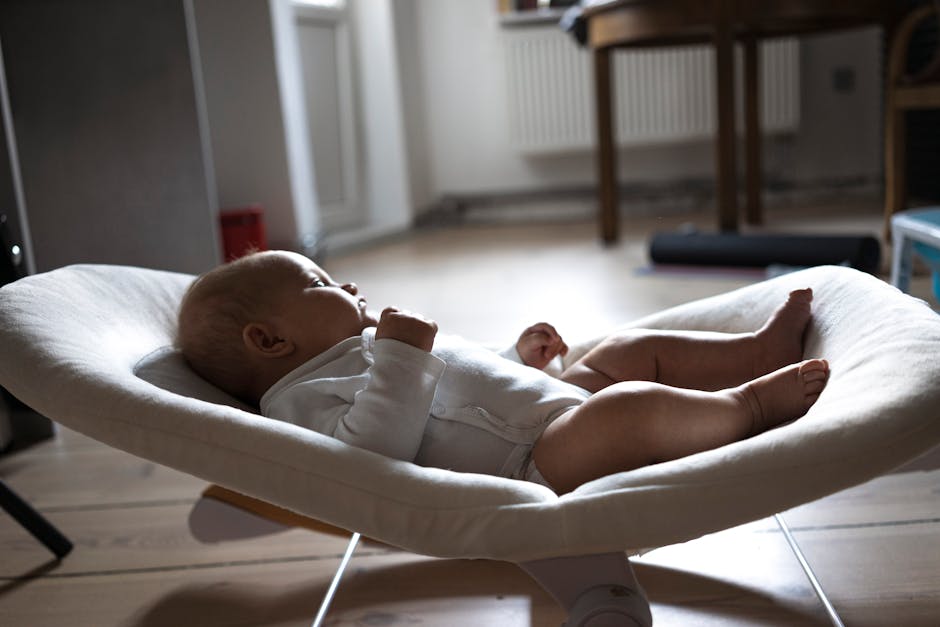
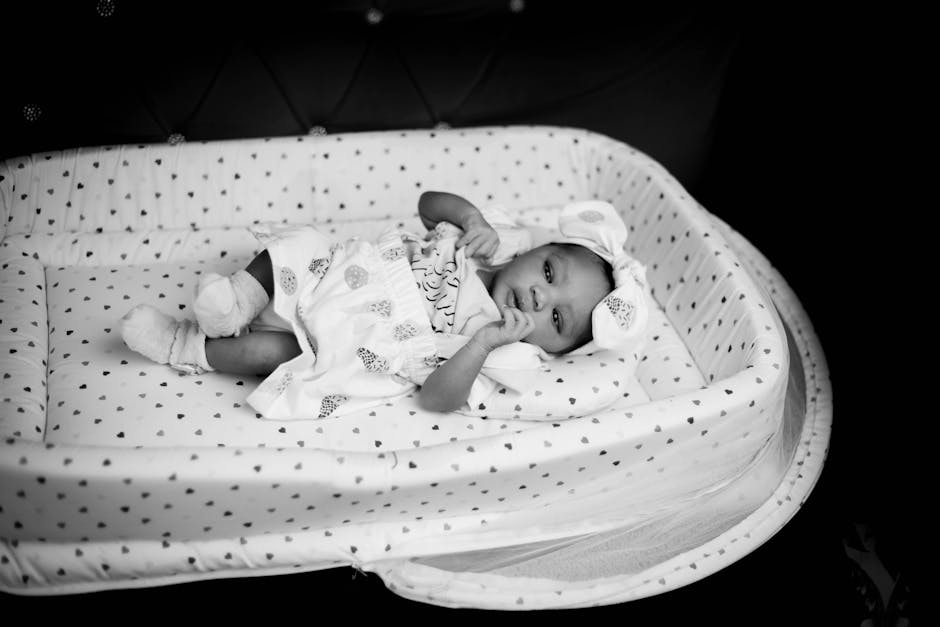
    baby bassinet airplane seat toddler travel snacks packing

    ๐Ÿง  In-Flight Sanity: Moment-to-Moment Strategy

    Even the best preparation meets turbulence โ€” literally and figuratively. Here’s what to do once you’re actually in the air.

    • Use the walk-around method: A slow lap around the cabin every 45โ€“60 minutes gives your toddler stimulation and breaks the confinement frustration. Most children calm down significantly just from being upright and moving.
    • Tag-team with your partner: If you’re flying with another adult, schedule “shifts” explicitly. One sleeps while the other manages. Flying solo with a toddler is genuinely hard โ€” if that’s your situation, choose aisle seats so you can move freely, and consider booking a seat next to the galley area where crew can keep an eye out.
    • Don’t fight the schedule โ€” adapt to it: If your toddler falls asleep at an “inconvenient” time, let them. Don’t try to keep them awake to preserve the night schedule โ€” a sleeping child on a plane is a gift, full stop.
    • Bring a portable white noise app or small speaker: Cabin noise actually helps many toddlers sleep. An app like Calm Baby or a white noise track can bridge the gap when they’re overtired but overstimulated.

    ๐ŸŒ Realistic Alternatives: What If It’s Just Too Much?

    Now, here’s where we get honest. Long-haul with infants isn’t always the right call, and sometimes the best tip is: consider whether now is the right time.

    If your trip is flexible and your child is currently in the 10โ€“18 month window (often the hardest age for flight โ€” mobile enough to resist restraint, not old enough to understand reasoning), it’s worth asking whether waiting 6โ€“9 months changes your experience dramatically. At age 2.5โ€“3, children can engage with tablets, respond to simple bargaining, and follow basic instructions. The flight experience genuinely improves.

    If the trip is non-negotiable โ€” a family event, a relocation, a long-awaited reunion โ€” then commit fully to the prep strategy above. Don’t half-prepare hoping it’ll be fine. It might be! But preparation is your insurance policy.

    Also worth considering: stopovers as a strategy, not a delay. A 14-hour direct flight versus two 7-hour flights with a layover in Singapore or Dubai might seem like more travel, but it gives everyone a reset. A few hours in an airport lounge with space to run around can re-energize a toddler dramatically. Many families in 2026 are choosing this intentionally rather than just for scheduling reasons.

    Editor’s Comment : Flying long-haul with a tiny human is one of those experiences that will feel completely impossible in the planning stage, chaotic in the middle, and โ€” somehow โ€” totally worth it when you look back. The key is adjusting your expectations: this isn’t a relaxing flight, it’s a mission. Plan like it, staff yourself accordingly, and give yourself full credit for attempting it at all. You’ve got this.

    ํƒœ๊ทธ: [‘long haul flight with toddler’, ‘baby airplane travel tips 2026’, ‘flying with infants’, ‘toddler travel hacks’, ‘family travel 2026’, ‘airplane bassinet tips’, ‘international travel with kids’]
  • ์˜์œ ์•„ ๋™๋ฐ˜ ์žฅ๊ฑฐ๋ฆฌ ๋น„ํ–‰ ๊ฟ€ํŒ ์ด์ •๋ฆฌ 2026 | ์•„๊ธฐ์™€ ๋น„ํ–‰๊ธฐ ํƒ€๊ธฐ ์ „ ๊ผญ ์ฝ์–ด์•ผ ํ•  ํ›„๊ธฐ

    ์ฒซ์งธ ์•„์ด๊ฐ€ 18๊ฐœ์›”์ด๋˜ ๋•Œ, ๋‚จํŽธ๊ณผ ์ €๋Š” ๋ฌด๋ ค 12์‹œ๊ฐ„์งœ๋ฆฌ ์œ ๋Ÿฝํ–‰ ๋น„ํ–‰๊ธฐ์— ์˜ฌ๋ž์Šต๋‹ˆ๋‹ค. ์ถœ๋ฐœ ์ „๋‚  ๋ฐค, ๊ธฐ์ €๊ท€๋Š” ๋ช‡ ์žฅ์ด๋‚˜ ์ฑ™๊ฒจ์•ผ ํ•˜๋Š”์ง€, ์ด๋ฅ™ํ•  ๋•Œ ์•„์ด๊ฐ€ ์šธ๋ฉด ์–ด๋–ป๊ฒŒ ํ•ด์•ผ ํ•˜๋Š”์ง€, ์˜†์ž๋ฆฌ ์Šน๊ฐ์—๊ฒŒ ๋ฏธ๋ฆฌ ์‚ฌํƒ•์ด๋ผ๋„ ๋Œ๋ ค์•ผ ํ•˜๋Š”์ง€๊นŒ์ง€ ์ง„์ง€ํ•˜๊ฒŒ ๊ณ ๋ฏผํ–ˆ์ฃ . ์ง€๊ธˆ ๋Œ์ด์ผœ ๋ณด๋ฉด ๊ทธ ๊ธด์žฅ๊ฐ์ด ์˜คํžˆ๋ ค ์ค€๋น„๋ฅผ ์ฒ ์ €ํ•˜๊ฒŒ ๋งŒ๋“ค์–ด ์คฌ๋˜ ๊ฒƒ ๊ฐ™์•„์š”. ๊ทธ๋ฆฌ๊ณ  ๊ทธ ๊ฒฝํ—˜ ๋•๋ถ„์— ์ง€๊ธˆ์€ ์˜์œ ์•„ ๋™๋ฐ˜ ๋น„ํ–‰์˜ ‘๋‚˜๋ฆ„ ๋ฒ ํ…Œ๋ž‘’์ด ๋˜์–ด๋ฒ„๋ ธ์Šต๋‹ˆ๋‹ค. ์˜ค๋Š˜์€ ๊ทธ ๊ฒฝํ—˜๋‹ด๊ณผ ํ•จ๊ป˜, 2026๋…„ ํ˜„์žฌ ๊ฐ€์žฅ ํ˜„์‹ค์ ์œผ๋กœ ๊ฒ€์ฆ๋œ ๊ฟ€ํŒ๋“ค์„ ํ•จ๊ป˜ ์ •๋ฆฌํ•ด ๋ณผ๊ฒŒ์š”.

    baby airplane travel long flight family

    ๐Ÿ“Š ์ˆซ์ž๋กœ ๋ณด๋Š” ์˜์œ ์•„ ๋น„ํ–‰์˜ ํ˜„์‹ค โ€” ์–ผ๋งˆ๋‚˜ ํž˜๋“ ๊ฐ€์š”?

    ๋จผ์ € ๋ƒ‰์ •ํ•˜๊ฒŒ ํ˜„์‹ค์„ ์ง์‹œํ•ด ๋ด…์‹œ๋‹ค. ๊ตญ์ œ ํ•ญ๊ณต ์—ฌํ–‰ ํ†ต๊ณ„์— ๋”ฐ๋ฅด๋ฉด, ๋งŒ 2์„ธ ์ดํ•˜ ์˜์•„๋ฅผ ๋™๋ฐ˜ํ•œ ์Šน๊ฐ์˜ ์•ฝ 68%๊ฐ€ ๋น„ํ–‰ ์ค‘ ์ˆ˜๋ฉด ๋ฌธ์ œ๋ฅผ ๊ฒฝํ—˜ํ•œ๋‹ค๊ณ  ๋ณด๊ณ ๋ฉ๋‹ˆ๋‹ค. ๋˜ํ•œ ๋น„ํ–‰ ์‹œ๊ฐ„์ด 8์‹œ๊ฐ„์„ ์ดˆ๊ณผํ•˜๋Š” ๊ฒฝ์šฐ, ๊ธฐ๋‚ด ๊ธฐ์•• ๋ณ€ํ™”๋กœ ์ธํ•œ ๊ท€ ํ†ต์ฆ(ํ•ญ๊ณต์„ฑ ์ค‘์ด์—ผ)์„ ํ˜ธ์†Œํ•˜๋Š” ์˜์œ ์•„ ๋น„์œจ์ด ๊ทธ ์ดํ•˜ ๋น„ํ–‰ ๋Œ€๋น„ ์•ฝ 2.3๋ฐฐ ๋†’๋‹ค๋Š” ์†Œ์•„๊ณผํ•™ ์—ฐ๊ตฌ ๊ฒฐ๊ณผ๋„ ์žˆ์–ด์š”.

    ํŠนํžˆ ์ƒํ›„ 6๊ฐœ์›”~24๊ฐœ์›” ์‚ฌ์ด ์‹œ๊ธฐ๊ฐ€ ๊ฐ€์žฅ ๊นŒ๋‹ค๋กญ๋‹ค๊ณ  ๋ด…๋‹ˆ๋‹ค. ์ด ์‹œ๊ธฐ ์•„์ด๋Š” ์›€์ง์ž„ ์š•๊ตฌ๊ฐ€ ํญ๋ฐœ์ ์œผ๋กœ ๋Š˜์–ด๋‚˜๋Š” ๋ฐ˜๋ฉด, ์•„์ง ์ƒํ™ฉ์„ ๋…ผ๋ฆฌ์ ์œผ๋กœ ์ดํ•ดํ•  ์ˆ˜ ์—†์–ด์„œ ์ข์€ ์ขŒ์„ ๊ณต๊ฐ„์—์„œ์˜ ์ œ์•ฝ์„ ๊ทธ๋Œ€๋กœ ์šธ์Œ์œผ๋กœ ํ‘œํ˜„ํ•˜๊ฑฐ๋“ ์š”. ํ‰๊ท  ์ขŒ์„ ํญ์ด ์•ฝ 43~46cm์— ๋ถˆ๊ณผํ•œ ์ด์ฝ”๋…ธ๋ฏธ ํด๋ž˜์Šค์—์„œ ์ด ์•„์ด๋“ค์„ ํ’ˆ์— ์•ˆ๊ณ  10์‹œ๊ฐ„์„ ๋ฒ„ํ…จ๋‚ธ๋‹ค๋Š” ๊ฑด ๋ถ€๋ชจ์—๊ฒŒ๋„ ์ƒ๋‹นํ•œ ์ฒด๋ ฅ์ „์ž…๋‹ˆ๋‹ค.

    ํ•˜์ง€๋งŒ ๋ฐ˜๋Œ€๋กœ ์ƒ๊ฐํ•˜๋ฉด, ์ค€๋น„๊ฐ€ ์ž˜ ๋œ ๊ฒฝ์šฐ ์ ˆ๋ฐ˜ ์ด์ƒ์˜ ๊ฐ€์กฑ์ด ‘์ƒ๊ฐ๋ณด๋‹ค ๊ดœ์ฐฎ์•˜๋‹ค’๊ณ  ํšŒ๊ณ ํ•œ๋‹ค๋Š” ๊ฒƒ๋„ ์ฃผ๋ชฉํ•  ๋งŒํ•ด์š”. ๊ฒฐ๊ตญ ์ด๊ฑด ์šด๋ณด๋‹ค ์ค€๋น„์˜ ์‹ธ์›€์ด๋ผ๊ณ  ๋ด…๋‹ˆ๋‹ค.

    ๐ŸŒ ๊ตญ๋‚ด์™ธ ๋ถ€๋ชจ๋“ค์€ ์–ด๋–ป๊ฒŒ ํ•˜๊ณ  ์žˆ์„๊นŒ์š”?

    ์ผ๋ณธ์˜ ์œก์•„ ์ปค๋ฎค๋‹ˆํ‹ฐ ‘Mamatalk’์—์„œ 2025๋…„ ๋ง ์ง„ํ–‰๋œ ์„ค๋ฌธ์— ๋”ฐ๋ฅด๋ฉด, ์˜์œ ์•„ ๋™๋ฐ˜ ์žฅ๊ฑฐ๋ฆฌ ๋น„ํ–‰์—์„œ ๊ฐ€์žฅ ํšจ๊ณผ์ ์ด์—ˆ๋˜ ๋Œ€์ฒ˜๋ฒ• 1์œ„๋Š” ‘๋ฐ”์‹œ๋„ท(Bassinet) ์ขŒ์„ ์‚ฌ์ „ ์˜ˆ์•ฝ’์ด์—ˆ๊ณ , 2์œ„๋Š” ‘์ด์ฐฉ๋ฅ™ ์‹œ ์ˆ˜์œ  ๋˜๋Š” ๋…ธ๋ฆฌ๊ฐœ ์ –๊ผญ์ง€ ํ™œ์šฉ’, 3์œ„๋Š” ‘ํƒœ๋ธ”๋ฆฟ ๋ฐ ์‹ ๊ทœ ์žฅ๋‚œ๊ฐ ํ™œ์šฉ’์ด์—ˆ์Šต๋‹ˆ๋‹ค.

    ๊ตญ๋‚ด์—์„œ๋„ ๋„ค์ด๋ฒ„ ์นดํŽ˜ ‘๋ง˜์Šคํ™€๋ฆญ๋ฒ ์ด๋น„’, ์œก์•„ ์ปค๋ฎค๋‹ˆํ‹ฐ ‘์•„์ด๋ง˜’ ๋“ฑ์—์„œ ๊ณต์œ ๋˜๋Š” ์žฅ๊ฑฐ๋ฆฌ ๋น„ํ–‰ ํ›„๊ธฐ๋ฅผ ๋ณด๋ฉด ๊ณตํ†ต์ ์ธ ํŒจํ„ด์ด ๋ณด์ž…๋‹ˆ๋‹ค. ์„ฑ๊ณตํ•œ ์ผ€์ด์Šค์˜ ๋Œ€๋ถ€๋ถ„์€ ์•„์ด์˜ ์ƒํ™œ ๋ฆฌ๋“ฌ์„ ๋น„ํ–‰ ์Šค์ผ€์ค„์— ๋งž์ถฐ ๋ฏธ๋ฆฌ ์กฐ์ •ํ–ˆ๋‹ค๋Š” ์ ์ด์—์š”. ์ถœ๋ฐœ 3~5์ผ ์ „๋ถ€ํ„ฐ ์•„์ด์˜ ๋‚ฎ์ž  ๋ฐ ์ทจ์นจ ์‹œ๊ฐ„์„ ๋ชฉ์ ์ง€ ์‹œ๊ฐ„๋Œ€์— ๋งž์ถฐ ์„œ์„œํžˆ ์ด๋™์‹œ์ผœ ์ค€ ๊ฑฐ์ฃ . ์ด๊ฒŒ ์‹œ์ฐจ ์ ์‘ ๋ฟ๋งŒ ์•„๋‹ˆ๋ผ ๊ธฐ๋‚ด์—์„œ ์ž ๋“œ๋Š” ํƒ€์ด๋ฐ์„ ์ž์—ฐ์Šค๋Ÿฝ๊ฒŒ ์œ ๋„ํ•˜๋Š” ๋ฐ๋„ ํฐ ๋„์›€์ด ๋œ๋‹ค๊ณ  ๋ด…๋‹ˆ๋‹ค.

    toddler bassinet seat airplane baby care travel tips

    โœˆ๏ธ ์‹ค์ „ ๊ฟ€ํŒ โ€” ์ถœ๋ฐœ ์ „๋ถ€ํ„ฐ ๋„์ฐฉ๊นŒ์ง€ ๋‹จ๊ณ„๋ณ„ ์ •๋ฆฌ

    • [์˜ˆ์•ฝ ๋‹จ๊ณ„] ๋ฐ”์‹œ๋„ท ์ขŒ์„์€ ๋น ๋ฅผ์ˆ˜๋ก ์ข‹์•„์š”: ๋ฐ”์‹œ๋„ท(๊ธฐ๋‚ด ์•„๊ธฐ ์นจ๋Œ€)์€ ๋ณดํ†ต ์•ž์ชฝ ๋ฒฝ๋ฉด ์ขŒ์„(๋ฒŒํฌํ—ค๋“œ ์‹œํŠธ)์—๋งŒ ์„ค์น˜ ๊ฐ€๋Šฅํ•˜๊ณ  ์ˆ˜๋Ÿ‰์ด ์ œํ•œ์ ์ž…๋‹ˆ๋‹ค. ํ•ญ๊ณต์‚ฌ๋งˆ๋‹ค ๋‹ค๋ฅด์ง€๋งŒ ์ƒํ›„ 6๊ฐœ์›”~์ฒด์ค‘ 11kg ์ดํ•˜ ์•„์ด์—๊ฒŒ๋งŒ ์ œ๊ณต๋˜๋‹ˆ ์˜ˆ์•ฝ ์ฆ‰์‹œ ํ™•์ธ ๋ฐ ์‹ ์ฒญํ•˜๋Š” ๊ฒƒ์ด ์ข‹์•„์š”. ์—๋ฏธ๋ ˆ์ดํŠธํ•ญ๊ณต, ์‹ฑ๊ฐ€ํฌ๋ฅดํ•ญ๊ณต ๋“ฑ ์ฃผ์š” ๊ตญ์ œ์„  ํ•ญ๊ณต์‚ฌ๋Š” ์˜ˆ์•ฝ ์‹œ ํŠน๋ณ„ ์„œ๋น„์Šค(SPML, ์œ ์•„์‹) ๋™์‹œ ์‹ ์ฒญ๋„ ๊ฐ€๋Šฅํ•ฉ๋‹ˆ๋‹ค.
    • [์ง ์ค€๋น„] ‘๊ธฐ๋‚ด ๊ฐ€๋ฐฉ’์„ ๋”ฐ๋กœ ๊พธ๋ ค์š”: ์œ„ํƒ์ˆ˜ํ•˜๋ฌผ๊ณผ ๋ณ„๋„๋กœ ๊ธฐ๋‚ด ๋ฐ˜์ž… ๊ฐ€๋ฐฉ์—๋Š” ์ตœ์†Œ ๊ธฐ์ €๊ท€ 1์‹œ๊ฐ„๋‹น 1์žฅ ๊ธฐ์ค€์œผ๋กœ ๊ณ„์‚ฐํ•ด ์—ฌ์œ ๋ถ„๊นŒ์ง€ ์ฑ™๊ธฐ์„ธ์š”. 10์‹œ๊ฐ„ ๋น„ํ–‰์ด๋ผ๋ฉด ์ตœ์†Œ 15์žฅ ์ด์ƒ์„ ๊ถŒ์žฅํ•ฉ๋‹ˆ๋‹ค. ์—ฌ๊ธฐ์— ๊ฐˆ์•„์ž…์„ ์˜ท 2๋ฒŒ(์•„์ด์šฉ + ๋ถ€๋ชจ์šฉ ๊ฐ 1๋ฒŒ์”ฉ), ์ –๋ณ‘/๋ถ„์œ , ์†Œ๋… ํ‹ฐ์Šˆ, ์ƒ๋น„์•ฝ(ํ•ด์—ด์ œ, ๊ท€ ํ†ต์ฆ ์™„ํ™” ์—ฐ๊ณ )์„ ํ•„์ˆ˜๋กœ ๋„ฃ์–ด๋‘์„ธ์š”.
    • [์ด์ฐฉ๋ฅ™ ๊ตฌ๊ฐ„] ๊ท€ ํ†ต์ฆ ์˜ˆ๋ฐฉ์ด ํ•ต์‹ฌ: ์ด์ฐฉ๋ฅ™ ์‹œ ๊ธฐ์•• ๋ณ€ํ™”๊ฐ€ ๊ฐ€์žฅ ๊ธ‰๊ฒฉํ•œ๋ฐ, ์ด๋•Œ ์•„์ด๊ฐ€ ์‚ผํ‚ค๋Š” ๋™์ž‘์„ ํ•˜๋ฉด ๊ท€ ์•ˆ์˜ ์••๋ ฅ์ด ์กฐ์ ˆ๋ฉ๋‹ˆ๋‹ค. ๋ชจ์œ ๋‚˜ ๋ถ„์œ  ์ˆ˜์œ , ์ –๊ผญ์ง€, ์ด์œ ์‹ ์‹œ๊ธฐ๋ผ๋ฉด ๊ณผ์ž ํ•œ ์กฐ๊ฐ๋„ ์ข‹์•„์š”. ์ˆ˜์œ ๊ฐ€ ์–ด๋ ต๋‹ค๋ฉด ๋ฌผ์ด๋ผ๋„ ํ•œ ๋ชจ๊ธˆ์”ฉ ๋งˆ์‹œ๊ฒŒ ํ•ด์ฃผ๋Š” ๊ฒŒ ํšจ๊ณผ์ ์ด๋ผ๊ณ  ๋ด…๋‹ˆ๋‹ค.
    • [๋น„ํ–‰ ์ค‘] ‘์‹ ๊ทœ ์žฅ๋‚œ๊ฐ ์ „๋žต’์„ ์จ๋ณด์„ธ์š”: ์ง‘์—์„œ ๋Š˜ ๊ฐ–๊ณ  ๋†€๋˜ ์žฅ๋‚œ๊ฐ์€ ๊ธˆ๋ฐฉ ์ง€๋ฃจํ•ดํ•ด์š”. ์ถœ๋ฐœ ์ผ์ฃผ์ผ ์ „๋ถ€ํ„ฐ ์•„์ด์—๊ฒŒ ๋ณด์—ฌ์ฃผ์ง€ ์•Š์€ ์ƒˆ ์žฅ๋‚œ๊ฐ 2~3๊ฐœ๋ฅผ ์ค€๋น„ํ•ด ๋’€๋‹ค๊ฐ€, ๋น„ํ–‰๊ธฐ ์•ˆ์—์„œ ์ฒ˜์Œ ๊บผ๋‚ด์ฃผ๋ฉด ์ง‘์ค‘๋ ฅ์ด ํ™•์‹คํžˆ ์˜ฌ๋ผ๊ฐ‘๋‹ˆ๋‹ค. ์Šคํ‹ฐ์ปค๋ถ, ๋ชจ๋ž˜๋†€์ด ๋Œ€์ฒด ์ ํ† , ์กฐ์šฉํ•œ ์Œ์•… ์žฅ๋‚œ๊ฐ ๋“ฑ์ด ์ธ๊ธฐ์žˆ์–ด์š”.
    • [์ˆ˜๋ฉด ์œ ๋„] ๋น›๊ณผ ์†Œ๋ฆฌ ์ฐจ๋‹จ์ด ๊ด€๊ฑด: ๊ธฐ๋‚ด๋Š” ์ƒ๊ฐ๋ณด๋‹ค ์†Œ์Œ์ด ๋งŽ๊ณ  ์กฐ๋ช…๋„ ์™„์ „ํžˆ ๊บผ์ง€์ง€ ์•Š๋Š” ๊ฒฝ์šฐ๊ฐ€ ๋งŽ์•„์š”. ์˜์•„์šฉ ๊ท€๋งˆ๊ฐœ(์ด์–ด๋จธํ”„)์™€ ์ž‘์€ ๋‹ด์š”๋กœ ์•„๋Š‘ํ•œ ํ™˜๊ฒฝ์„ ๋งŒ๋“ค์–ด ์ฃผ๋ฉด ์ˆ˜๋ฉด์— ๋„์›€์ด ๋ฉ๋‹ˆ๋‹ค. ๋ฐฑ์ƒ‰์†Œ์Œ ์•ฑ์„ ์ด์–ดํฐ ์—†์ด ์ž‘๊ฒŒ ํ‹€์–ด์ฃผ๋Š” ๋ฐฉ๋ฒ•๋„ ํšจ๊ณผ์ ์ด์—์š”.
    • [๋ถ€๋ชจ ๊ต๋Œ€] ํ˜ผ์ž์„œ ๊ฐ๋‹นํ•˜๋ ค ํ•˜์ง€ ๋งˆ์„ธ์š”: ๊ฐ€๋Šฅํ•˜๋‹ค๋ฉด ๋‘ ๋ช…์˜ ์„ฑ์ธ์ด ํ•จ๊ป˜ ์—ฌํ–‰ํ•˜๊ณ , ์ตœ์†Œ 2์‹œ๊ฐ„ ๋‹จ์œ„๋กœ ์•„์ด๋ฅผ ๊ต๋Œ€๋กœ ๋Œ๋ณด์„ธ์š”. ๋ถ€๋ชจ ์ค‘ ํ•œ ๋ช…์ด ์™„์ „ํžˆ ๋ฒˆ์•„์›ƒ๋˜๋ฉด ๋‚˜๋จธ์ง€ ์—ฌํ–‰ ์ „์ฒด๊ฐ€ ํž˜๋“ค์–ด์ง‘๋‹ˆ๋‹ค. ํ˜ผ์ž ์•„์ด๋ฅผ ๋ฐ๋ฆฌ๊ณ  ์—ฌํ–‰ํ•˜๋Š” ๊ฒฝ์šฐ๋ผ๋ฉด, ํƒ‘์Šน ์‹œ ์Šน๋ฌด์›์—๊ฒŒ ๋จผ์ € ๋„์›€์„ ์š”์ฒญํ•˜๋Š” ๊ฒŒ ํ˜„๋ช…ํ•ด์š”. ๋Œ€๋ถ€๋ถ„์˜ ํ•ญ๊ณต์‚ฌ ์Šน๋ฌด์›์€ ์˜์œ ์•„ ๋™๋ฐ˜ ์Šน๊ฐ ์ง€์›์— ํ›ˆ๋ จ์ด ๋˜์–ด ์žˆ์Šต๋‹ˆ๋‹ค.
    • [ํ•ญ๊ณต์‚ฌ ์„ ํƒ] ์žฅ๊ฑฐ๋ฆฌ ์˜์œ ์•„ ์นœํ™” ํ•ญ๊ณต์‚ฌ๋ฅผ ์šฐ์„ ํ•˜์„ธ์š”: 2026๋…„ ํ˜„์žฌ ๊ธฐ์ค€์œผ๋กœ ์‹ฑ๊ฐ€ํฌ๋ฅดํ•ญ๊ณต, ์—๋ฏธ๋ ˆ์ดํŠธํ•ญ๊ณต, ์ „์ผ๋ณธ๊ณต์ˆ˜(ANA)๋Š” ์˜์œ ์•„ ์„œ๋น„์Šค ๋งŒ์กฑ๋„ ์กฐ์‚ฌ์—์„œ ๊พธ์ค€ํžˆ ์ƒ์œ„๊ถŒ์„ ๊ธฐ๋กํ•˜๊ณ  ์žˆ์Šต๋‹ˆ๋‹ค. ๊ธฐ๋‚ด ์œ ์•„์‹ ํ’ˆ์งˆ, ๋ฐ”์‹œ๋„ท ๊ตฌ๋น„ ์ˆ˜๋Ÿ‰, ๊ฐ€์กฑ ์ „์šฉ ์ฒดํฌ์ธ ๋ฐ์Šคํฌ ์šด์˜ ์—ฌ๋ถ€๋ฅผ ๋น„๊ตํ•ด ๋ณด๋Š” ๊ฒƒ์ด ์ข‹์•„์š”.

    ๐Ÿ’Š ์•Œ์•„๋‘๋ฉด ์œ ์šฉํ•œ ์˜ํ•™์  ์ฃผ์˜์‚ฌํ•ญ

    ์ƒํ›„ 7์ผ ์ดํ•˜ ์‹ ์ƒ์•„๋Š” ๋Œ€๋ถ€๋ถ„์˜ ํ•ญ๊ณต์‚ฌ์—์„œ ํƒ‘์Šน์ด ๋ถˆ๊ฐ€ํ•˜๊ฑฐ๋‚˜ ์˜์‚ฌ ์†Œ๊ฒฌ์„œ๋ฅผ ์š”๊ตฌํ•ฉ๋‹ˆ๋‹ค. ๋˜ํ•œ ์ƒํ›„ 2์ฃผ~4์ฃผ ๋ฏธ๋งŒ ์•„์ด์˜ ๊ฒฝ์šฐ์—๋„ ํ•ญ๊ณต์‚ฌ๋งˆ๋‹ค ๋ณ„๋„ ๊ทœ์ •์ด ์žˆ์œผ๋‹ˆ ์˜ˆ์•ฝ ์ „ ๋ฐ˜๋“œ์‹œ ํ™•์ธํ•˜์„ธ์š”. ๋น„ํ–‰ ์ „ ์†Œ์•„๊ณผ ๋ฐฉ๋ฌธ์„ ํ†ตํ•ด ๊ท€ ์ƒํƒœ๋ฅผ ์ฒดํฌํ•˜๊ณ , ์ค‘์ด์—ผ์ด๋‚˜ ๊ฐ๊ธฐ ์ฆ์ƒ์ด ์žˆ๋‹ค๋ฉด ๋น„ํ–‰์„ ์—ฐ๊ธฐํ•˜๋Š” ๊ฒƒ์ด ์•„์ด์—๊ฒŒ๋„, ์ฃผ๋ณ€ ์Šน๊ฐ์—๊ฒŒ๋„ ๋‚˜์€ ์„ ํƒ์ด๋ผ๊ณ  ๋ด…๋‹ˆ๋‹ค.

    ๊ณ ๋„ 1๋งŒ ๋ฏธํ„ฐ ์ด์ƒ์˜ ๊ธฐ๋‚ด๋Š” ์‚ฐ์†Œ ๋†๋„๊ฐ€ ์ง€์ƒ๋ณด๋‹ค ๋‚ฎ๊ณ  ์Šต๋„๋„ 10~20% ์ˆ˜์ค€์œผ๋กœ ๋งค์šฐ ๊ฑด์กฐํ•ด์š”. ์•„์ด์˜ ํ”ผ๋ถ€์™€ ์ ๋ง‰์ด ์‰ฝ๊ฒŒ ๊ฑด์กฐํ•ด์ง€๋ฏ€๋กœ ์ˆ˜์‹œ๋กœ ์ˆ˜๋ถ„์„ ๋ณด์ถฉํ•ด ์ฃผ๊ณ , ๋ณด์Šต ํฌ๋ฆผ๋„ ์ฑ™๊ธฐ๋Š” ๊ฒŒ ์ข‹์Šต๋‹ˆ๋‹ค.

    ๐Ÿงณ ์ฒดํฌ๋ฆฌ์ŠคํŠธ โ€” ๊ธฐ๋‚ด ๋ฐ˜์ž… ๊ฐ€๋ฐฉ ํ•„์ˆ˜ ์•„์ดํ…œ

    • ๊ธฐ์ €๊ท€ (๋น„ํ–‰์‹œ๊ฐ„ + 4์‹œ๊ฐ„ ๋ถ„๋Ÿ‰)
    • ๋ฌผํ‹ฐ์Šˆ 2ํŒฉ ์ด์ƒ
    • ๊ฐˆ์•„์ž…ํž ์˜ท (์•„์ด 2๋ฒŒ, ๋ถ€๋ชจ ๊ฐ 1๋ฒŒ)
    • ์ˆ˜์œ ์šฉํ’ˆ (์ –๋ณ‘, ๋ถ„์œ  ๋˜๋Š” ๋ชจ์œ  ๋ณด๊ด€ํŒฉ)
    • ์ด์œ ์‹ ๋˜๋Š” ๊ฐ„์‹ (์•ก์ฒด๋ฅ˜๋Š” 100ml ์ดํ•˜๋กœ ๋ถ„๋ฆฌ)
    • ์ƒ๋น„์•ฝ (ํ•ด์—ด์ œ, ์†Œํ™”์ œ, ๊ท€ ํ†ต์ฆ ์™„ํ™”์ œ)
    • ์‹ ๊ทœ ์žฅ๋‚œ๊ฐ 2~3๊ฐœ
    • ์˜์•„์šฉ ์ด์–ด๋จธํ”„ (์†Œ์Œ ์ฐจ๋‹จ์šฉ)
    • ์–‡์€ ๋‹ด์š” ๋˜๋Š” ํฌ๋Œ€๊ธฐ
    • ๋น„๋‹๋ด‰์ง€ (์˜ค์—ผ๋œ ๊ธฐ์ €๊ท€ ๋ฐ ์˜ท ์ž„์‹œ ๋ณด๊ด€์šฉ)

    ์—๋””ํ„ฐ ์ฝ”๋ฉ˜ํŠธ : ์†”์งํžˆ ์˜์œ ์•„ ๋™๋ฐ˜ ์žฅ๊ฑฐ๋ฆฌ ๋น„ํ–‰์€ ‘์ฆ๊ฑฐ์šด ์—ฌํ–‰’์ด ์•„๋‹ˆ๋ผ ‘์ „๋žต์  ์ž‘์ „’์— ๊ฐ€๊น์Šต๋‹ˆ๋‹ค. ์ฒ˜์Œ์—” ๋ฏธ์•ˆํ•จ๊ณผ ๋ถˆ์•ˆ๊ฐ์ด ๋’ค์„ž์ด์ง€๋งŒ, ์ค€๋น„๊ฐ€ ์ถฉ๋ถ„ํ• ์ˆ˜๋ก ๊ทธ ๊ฐ์ •์€ ํ›จ์”ฌ ์ค„์–ด๋“ค์–ด์š”. ์™„๋ฒฝํ•œ ๋น„ํ–‰์€ ์—†์–ด์š”. ์•„์ด๊ฐ€ ์šธ ์ˆ˜๋„ ์žˆ๊ณ , ๊ณ„ํš์ด ํ‹€์–ด์งˆ ์ˆ˜๋„ ์žˆ์Šต๋‹ˆ๋‹ค. ํ•˜์ง€๋งŒ ๊ทธ ๊ฒฝํ—˜์ด ์Œ“์—ฌ์„œ ๋ถ€๋ชจ๋„ ์„ฑ์žฅํ•˜๋Š” ๊ฒƒ ๊ฐ™์•„์š”. ์ด ๊ธ€์ด 2026๋…„ ๋ด„, ์–ด๋”˜๊ฐ€์˜ ๊ณตํ•ญ์—์„œ ๊ธด์žฅ๋œ ๋งˆ์Œ์œผ๋กœ ํƒ‘์Šน๊ตฌ๋ฅผ ๊ธฐ๋‹ค๋ฆฌ๋Š” ๋ถ€๋ชจ๋‹˜๊ป˜ ์กฐ๊ธˆ์ด๋‚˜๋งˆ ๋„์›€์ด ๋˜๊ธธ ๋ฐ”๋ž๋‹ˆ๋‹ค. ์ž˜ ๋‹ค๋…€์˜ค์„ธ์š”! ๐Ÿผโœˆ๏ธ

    ํƒœ๊ทธ: [‘์˜์œ ์•„๋™๋ฐ˜๋น„ํ–‰’, ‘์•„๊ธฐ์™€๋น„ํ–‰๊ธฐ’, ‘์žฅ๊ฑฐ๋ฆฌ๋น„ํ–‰๊ฟ€ํŒ’, ‘์œก์•„์—ฌํ–‰’, ‘๊ธฐ๋‚ด์•„๊ธฐ์ง์‹ธ๊ธฐ’, ‘๋ฐ”์‹œ๋„ท์˜ˆ์•ฝ’, ‘ํ•ด์™ธ์—ฌํ–‰์œก์•„’]

  • Hidden Coastal Walking Trails in Korea You’ve Never Heard Of (2026 Guide)

    Last spring, I almost missed my train back to Seoul because I stumbled onto a narrow dirt path winding along a cliff edge in South Chungcheong Province. No signage, no crowds, just the sound of waves crashing below and the faint smell of dried seaweed in the air. I didn’t even know the trail existed until a local grandmother pointed me toward it with a casual wave of her hand. That moment stuck with me โ€” and it’s exactly why I started digging deeper into Korea’s lesser-known coastal walking trails.

    Korea’s famous coastal destinations โ€” Jeju Olle Trail, Haeundae Beach, Gyeongpo โ€” get all the glory. But the country’s 2,413 kilometers of coastline hide dozens of paths that most travelers, and even many Koreans, have never set foot on. Let’s explore them together.

    hidden Korean coastal trail cliffside ocean path sunrise

    Why These Trails Stay Under the Radar

    Here’s something interesting: according to Korea’s Ministry of Land, Infrastructure and Transport, as of early 2026, there are over 340 registered coastal walking routes across the peninsula. Yet roughly 70% of all foot traffic concentrates on just 15 of them. The math tells a compelling story โ€” the vast majority of Korea’s coastal paths are essentially empty on any given weekend.

    Why? A few structural reasons:

    • Limited digital mapping: Many smaller trails aren’t listed on Naver Maps or Kakao Maps with accurate trailhead markers, making them practically invisible to anyone without local knowledge.
    • No English signage: Smaller provincial trails rarely invest in multilingual materials, creating an unintentional barrier for foreign visitors and even Korean travelers who rely on popular travel apps.
    • Municipal budget gaps: Coastal trails maintained by small county offices (gun or eup level) often lack proper upkeep promotion, so word-of-mouth is the only real advertising.
    • Instagram blindspot: If a trail doesn’t have a photogenic landmark or a named viewpoint, it rarely trends on social media โ€” which is how most people discover new destinations today.

    The result? Trails with genuinely dramatic scenery, rich ecological value, and authentic local character sit quietly waiting.

    Five Under-the-Radar Coastal Paths Worth Planning Around in 2026

    Let’s get specific. These aren’t just vague suggestions โ€” each of these has been verified as accessible and worthwhile as of early 2026.

    • Taean Haean Nuri-gil Sections 7โ€“9 (South Chungcheong): The full Taean Coastal National Park trail system spans over 100 km, but most visitors only walk the first few sections near Mallipo Beach. Sections 7 through 9 wind through pine forests directly above the water with almost zero foot traffic mid-week. Estimated walk time: 4โ€“5 hours per section.
    • Ganghwa Haemul-gil, Incheon: Located just 90 minutes from central Seoul, Ganghwa Island’s lesser-publicized western coast offers tidal flat views and low-tide mudflat ecosystems that rival anything on the more famous Suncheonman Bay. Best visited at low tide from March through May.
    • Namhae Geumsan Coastal Circuit (South Gyeongsang): Most Namhae visitors head straight to Boriam Hermitage. But the coastal loop that skirts below Geumsan Mountain โ€” roughly 8 km โ€” passes through fishing villages that feel genuinely frozen in the 1980s.
    • Uljin Haeparang Trail Sections 4โ€“6 (North Gyeongsang): The Haeparang Trail runs 770 km from Osan in Gangwon Province down to Busan, but its northern stretches near Uljin are almost entirely unvisited. Pine forests meet sheer rock formations meeting clear East Sea water โ€” all without a single tour bus in sight.
    • Wando Cheonghaejin Island Loop (South Jeolla): A short ferry from Wando gets you to Cheonghaejin Island, historically significant as the base of 9th-century maritime leader Jang Bogo. The circular coastal path is under 5 km but packs in extraordinary views and historical stonework ruins.

    Namhae fishing village coastal trail South Korea autumn

    What You Actually Need to Prepare

    Here’s where I want to be honest with you rather than just enthusiastic. These trails are rewarding precisely because they’re undeveloped โ€” but that undevelopment comes with real logistical considerations.

    • Navigation: Download offline maps via Maps.me or Komoot before you go. Naver Maps has improved rural coverage in 2026 but still has gaps on smaller county-managed paths.
    • Water and food: Convenience stores (GS25, CU) have expanded their rural footprint significantly over the past few years, but sections like the Uljin stretches can go 3โ€“4 hours between any kind of resupply point. Pack accordingly.
    • Footwear reality check: Several of these trails involve loose coastal rock scrambles or wet tidal sections. Trail running shoes with decent grip work well; fashion sneakers do not.
    • Seasonal timing: Spring (Marchโ€“May) and autumn (Septemberโ€“November) are ideal. Summer brings humidity and biting insects on wooded sections; winter makes tidal-access sections genuinely treacherous.
    • Accommodation planning: Minbak (local guesthouses) near these trails are plentiful but often require Korean-language phone reservations. Use Naver Booking or ask your accommodation in a larger nearby city to call ahead.

    Realistic Alternatives If You’re Not Ready for the Full Commitment

    Look โ€” not everyone reading this is ready to download offline maps and pack emergency snacks for a solo trek in Uljin County. And that’s completely fine. Here’s how to dial the experience up or down based on your comfort level:

    If you’re a beginner: Start with the more accessible sections of the Taean Coastal Trail near Mallipo or Mongsanpo Beach. These are well-marked, have parking, and sit within 15 minutes of cafรฉs and restaurants. You still get the wild coastal scenery without the logistical challenge.

    If you’re an intermediate hiker comfortable with Korean apps: Ganghwa Island’s western coast or Namhae’s Geumsan loop are excellent targets. Both have enough infrastructure nearby while still feeling genuinely off the tourist circuit.

    If you want maximum remoteness: Commit to the Uljin Haeparang sections or Wando’s island loop. These require planning but reward you with landscapes that very few people โ€” even Koreans โ€” have personally seen.

    The beauty of Korea’s coastline is that there’s a genuine entry point for every level of adventurousness. You don’t have to choose between Haeundae’s crowded beachfront and a completely unmarked wilderness path. There’s an entire spectrum in between, and most of it is wonderfully, quietly empty.

    Editor’s Comment : If there’s one thing I hope you take from this, it’s that Korea’s coastal trail network in 2026 is far richer and more accessible than its reputation suggests โ€” you just need to look one layer below the obvious. The trails that never appear on travel Instagram or package tour itineraries are often the ones that end up defining a trip. Start small, get comfortable with offline navigation tools, and build up gradually. That cliff path in South Chungcheong I stumbled onto? I went back on purpose three months later. It was even better the second time.

    ํƒœ๊ทธ: [‘hidden Korean coastal trails’, ‘Korea walking trails 2026’, ‘off the beaten path Korea’, ‘domestic beach hiking Korea’, ‘Taean coastal trail’, ‘Namhae hiking’, ‘Korean travel guide 2026’]

  • ์•„์ง๋„ ๋ชจ๋ฅด๋Š” ๊ตญ๋‚ด ์ˆจ๊ฒจ์ง„ ํ•ด๋ณ€ ์‚ฐ์ฑ…๋กœ 7๊ณณ | 2026๋…„ ํƒ๋ฐฉ ๊ฐ€์ด๋“œ

    ์ง€๋‚œ ์ถ”์„ ์—ฐํœด, ๋™ํ•ด์•ˆ์˜ ํ•œ ์œ ๋ช… ํ•ด์ˆ˜์š•์žฅ์„ ์ฐพ์•˜๋‹ค๊ฐ€ ์ธํŒŒ์— ์น˜์—ฌ 30๋ถ„ ๋งŒ์— ๋ฐœ๊ฑธ์Œ์„ ๋Œ๋ฆฐ ์ ์ด ์žˆ์–ด์š”. ๊ทธ๋‚  ์ดํ›„๋กœ ‘์‚ฌ๋žŒ ์—†๋Š” ํ•ด๋ณ€’์„ ์ฐพ๋Š” ๊ฒŒ ์ผ์ข…์˜ ์ทจ๋ฏธ๊ฐ€ ๋˜์–ด๋ฒ„๋ ธ์Šต๋‹ˆ๋‹ค. ๋ง‰์ƒ ๋’ค์ ธ๋ณด๋‹ˆ ๋†€๋ž๋”๋ผ๊ณ ์š”. ์šฐ๋ฆฌ๋‚˜๋ผ ํ•ด์•ˆ์„  ๊ธธ์ด๋Š” ๋ฌด๋ ค 14,963km(๋„์„œ ํฌํ•จ)์— ๋‹ฌํ•˜๋Š”๋ฐ, ์šฐ๋ฆฌ๊ฐ€ ์‹ค์ œ๋กœ ์•„๋Š” ํ•ด๋ณ€์€ ์†์— ๊ผฝํžˆ์ž–์•„์š”. ์˜ค๋Š˜์€ ๊ทธ ๊ด‘ํ™œํ•œ ํ•ด์•ˆ์„  ์–ด๋”˜๊ฐ€์— ์กฐ์šฉํžˆ ์ˆจ์–ด ์žˆ๋Š” ์‚ฐ์ฑ…๋กœ๋“ค์„ ํ•จ๊ป˜ ๋“ค์—ฌ๋‹ค๋ณด๋ ค ํ•ฉ๋‹ˆ๋‹ค.

    hidden Korean coastal trail scenic walk ocean cliff

    ๐Ÿ“Š ์šฐ๋ฆฌ๊ฐ€ ํ•ด๋ณ€ ์‚ฐ์ฑ…๋กœ๋ฅผ ‘๋ชจ๋ฅด๋Š”’ ์ด์œ , ์ˆ˜์น˜๋กœ ๋ณด๋ฉด

    ํ•œ๊ตญ๊ด€๊ด‘๊ณต์‚ฌ์˜ 2026๋…„ ๊ตญ๋‚ด ๊ด€๊ด‘ ๋™ํ–ฅ ์ž๋ฃŒ์— ๋”ฐ๋ฅด๋ฉด, ๊ตญ๋‚ด ํ•ด์ˆ˜์š•์žฅ์œผ๋กœ ๊ณต์‹ ๋“ฑ๋ก๋œ ๊ณณ์€ ์•ฝ 270์—ฌ ๊ฐœ์†Œ์ธ ๋ฐ˜๋ฉด, ํ•ด์–‘์ˆ˜์‚ฐ๋ถ€๊ฐ€ ๊ด€๋ฆฌํ•˜๋Š” ํ•ด์•ˆ๋ˆ„๋ฆฌ๊ธธ(ํ•ด๋ณ€ ์‚ฐ์ฑ… ๋ฐ ํŠธ๋ ˆํ‚น ์ฝ”์Šค)์€ ์ „๊ตญ์— 57๊ฐœ ์ฝ”์Šค, ์ด์—ฐ์žฅ ์•ฝ 697km์— ๋‹ฌํ•œ๋‹ค๊ณ  ํ•ฉ๋‹ˆ๋‹ค. ๊ทธ๋Ÿฐ๋ฐ ์‹ค์ œ ๊ฒ€์ƒ‰ ํŠธ๋ž˜ํ”ฝ์„ ๋ณด๋ฉด, ์ƒ์œ„ 10๊ฐœ ํ•ด๋ณ€์ด ์ „์ฒด ๊ด€๋ จ ๊ฒ€์ƒ‰๋Ÿ‰์˜ ์•ฝ 68%๋ฅผ ์ฐจ์ง€ํ•˜๊ณ  ์žˆ์–ด์š”. ๋‚˜๋จธ์ง€ 260์—ฌ ๊ฐœ ํ•ด๋ณ€์€ ๊ฒ€์ƒ‰์กฐ์ฐจ ๊ฑฐ์˜ ์•ˆ ๋œ๋‹ค๋Š” ๋œป์ด์ฃ .

    ์ด๊ฒŒ ๋‹จ์ˆœํžˆ ํ™๋ณด ๋ถ€์กฑ๋งŒ์˜ ๋ฌธ์ œ๋Š” ์•„๋‹Œ ๊ฒƒ ๊ฐ™์Šต๋‹ˆ๋‹ค. ์‚ฐ์ฑ…๋กœ ์ธํ”„๋ผ(์ฃผ์ฐจ, ์•ˆ๋‚ดํŒ, ํŽธ์˜์‹œ์„ค) ๋ฏธ๋น„๊ฐ€ ์ ‘๊ทผ์„ฑ์„ ๋‚ฎ์ถ”๊ณ , ์ ‘๊ทผ์„ฑ์ด ๋‚ฎ์œผ๋‹ˆ ํ›„๊ธฐ๊ฐ€ ์Œ“์ด์ง€ ์•Š๊ณ , ํ›„๊ธฐ๊ฐ€ ์—†์œผ๋‹ˆ ๊ฒ€์ƒ‰์— ๋…ธ์ถœ๋˜์ง€ ์•Š๋Š” ์•…์ˆœํ™˜ ๊ตฌ์กฐ๋ผ๊ณ  ๋ด…๋‹ˆ๋‹ค. ์—ญ์„ค์ ์œผ๋กœ ์ด ์•…์ˆœํ™˜ ๋•๋ถ„์— ์ด ๊ณณ๋“ค์€ ์•„์ง ‘์กฐ์šฉ’ํ•˜๊ฒŒ ๋‚จ์•„ ์žˆ๊ธฐ๋„ ํ•˜๊ณ ์š”.

    ๐Ÿ—บ๏ธ ์‹ค์ œ๋กœ ๊ฐ€๋ณผ ๋งŒํ•œ ์ˆจ๊ฒจ์ง„ ํ•ด๋ณ€ ์‚ฐ์ฑ…๋กœ 7๊ณณ

    • ๊ฐ•์› ๊ณ ์„ฑ โ€” ๊ณตํ˜„์ง„ ํ•ด๋ณ€ ์†”์ˆฒ๊ธธ : ์†์ดˆ์—์„œ ๋ถ์ชฝ์œผ๋กœ ์•ฝ 25km, 7๋ฒˆ ๊ตญ๋„๋ฅผ ๋”ฐ๋ผ ์˜ฌ๋ผ๊ฐ€๋ฉด ๋‚˜์˜ค๋Š” ์†Œ๋‚˜๋ฌด ์ˆฒ ํ•ด์•ˆ ์‚ฐ์ฑ…๋กœ์˜ˆ์š”. ํ•ด๋ณ€๊ณผ ์†”์ˆฒ์ด ๊ต์ฐจํ•˜๋Š” ์•ฝ 2.3km ๊ตฌ๊ฐ„์œผ๋กœ, ๊ณ ์„ฑ์˜ ๋ง‘์€ ๋ฌผ๋น›์„ ํ˜ผ์ž ๋ˆ„๋ฆด ์ˆ˜ ์žˆ๋Š” ๊ณณ์ด๋ผ๊ณ  ๋ด…๋‹ˆ๋‹ค.
    • ๊ฒฝ๋ถ ์˜๋• โ€” ํ•ด๋งž์ด๊ณต์› ๋ธ”๋ฃจ๋กœ๋“œ B์ฝ”์Šค : ‘๋ธ”๋ฃจ๋กœ๋“œ’๋ผ๋Š” ์ด๋ฆ„์€ ๊ฝค ์•Œ๋ ค์กŒ์ง€๋งŒ, ์ •์ž‘ B์ฝ”์Šค(์ฐฝํฌ๋ง ๋“ฑ๋Œ€~์ถ•์‚ฐํ•ญ ๊ตฌ๊ฐ„, ์•ฝ 15.4km)๋Š” A์ฝ”์Šค์— ๋น„ํ•ด ํƒ๋ฐฉ๊ฐ์ด ํ˜„์ €ํžˆ ์ ์–ด์š”. ํ•ด์‹์ ˆ๋ฒฝ๊ณผ ๋Œ€๋‚˜๋ฌด์ˆฒ์ด ๋ฒˆ๊ฐˆ์•„ ๋“ฑ์žฅํ•˜๋Š” ๋…ํŠนํ•œ ๊ฒฝ๊ด€์ด ์ธ์ƒ์ ์ž…๋‹ˆ๋‹ค.
    • ์ถฉ๋‚จ ๋ณด๋ น โ€” ์ฃฝ๋„ ํ•ด๋ณ€ ์ˆœํ™˜ ํŠธ๋ ˆ์ผ : ๋Œ€์ฒœํ•ด์ˆ˜์š•์žฅ์—์„œ ์ฐจ๋กœ 20๋ถ„ ๊ฑฐ๋ฆฌ์— ์žˆ๋Š” ์ฃฝ๋„๋Š” ์„ฌ ์ „์ฒด๋ฅผ ํ•œ ๋ฐ”ํ€ด ๋„๋Š” ์•ฝ 3.8km์˜ ์ˆœํ™˜ ์‚ฐ์ฑ…๋กœ๊ฐ€ ์žˆ์–ด์š”. ๊ฐฏ๋ฐ”์œ„์™€ ์†Œ๋‚˜๋ฌด ๊ตฐ๋ฝ์ด ์กฐํ™”๋ฅผ ์ด๋ฃจ๋Š” ์ฝ”์Šค์ธ๋ฐ, ์ƒ๊ฐ๋ณด๋‹ค ๋งŽ์ด ์•Œ๋ ค์ง€์ง€ ์•Š์€ ๊ฒƒ ๊ฐ™์Šต๋‹ˆ๋‹ค.
    • ์ „๋‚จ ์‹ ์•ˆ โ€” ์ฆ๋„ ์งฑ๋šฑ์–ด ํ•ด๋ณ€๊ธธ : ์œ ๋„ค์Šค์ฝ” ์ƒ๋ฌผ๊ถŒ ๋ณด์ „์ง€์—ญ์œผ๋กœ ์ง€์ •๋œ ์ฆ๋„์˜ ๊ฐฏ๋ฒŒ ํ•ด์•ˆ ์‚ฐ์ฑ…๋กœ์˜ˆ์š”. ์•ฝ 5km ๊ตฌ๊ฐ„์„ ๊ฑธ์œผ๋ฉฐ ์งฑ๋šฑ์–ด, ๋†๊ฒŒ ๋“ฑ ๊ฐฏ๋ฒŒ ์ƒํƒœ๋ฅผ ๊ด€์ฐฐํ•  ์ˆ˜ ์žˆ์–ด์š”. ๋‹ค๋งŒ ์กฐ์„(๋ฌผ๋•Œ) ์‹œ๊ฐ„ ํ™•์ธ์€ ํ•„์ˆ˜์ž…๋‹ˆ๋‹ค.
    • ๊ฒฝ๋‚จ ๋‚จํ•ด โ€” ๋ฏธ์กฐํ•ญ ๋ชฝ๋Œํ•ด๋ณ€ ๋‘˜๋ ˆ๊ธธ : ๋ฏธ์กฐํ•ญ ์ธ๊ทผ์—๋Š” ๋ชฝ๋Œ(์ž๊ฐˆ)์ด ๊น”๋ฆฐ ์ž‘์€ ํ•ด๋ณ€๋“ค์ด ์ˆจ๊ฒจ์ ธ ์žˆ๊ณ , ์ด๋ฅผ ์ž‡๋Š” ์•ฝ 4km์˜ ๋น„๊ณต์‹ ํ•ด์•ˆ ๋‘˜๋ ˆ๊ธธ์ด ์žˆ์–ด์š”. ํŒŒ๋„ ์†Œ๋ฆฌ์™€ ๋ชฝ๋Œ ๋ถ€๋”ชํžˆ๋Š” ์†Œ๋ฆฌ๊ฐ€ ํ•จ๊ป˜ ๋“ค๋ฆฌ๋Š” ์ฒญ๊ฐ์  ๊ฒฝํ—˜์ด ๊ฝค ๋…ํŠนํ•ฉ๋‹ˆ๋‹ค.
    • ์ œ์ฃผ ์„œ๊ท€ํฌ โ€” ๋ฒ•ํ™˜ํฌ๊ตฌ~๊ฐ•์ •ํฌ๊ตฌ ํ•ด์•ˆ๊ธธ : ์˜ฌ๋ ˆ 7์ฝ”์Šค์˜ ์ผ๋ถ€์ด๊ธฐ๋„ ํ•˜์ง€๋งŒ, ์ด ๊ตฌ๊ฐ„๋งŒ ๋‹จ๋…์œผ๋กœ ๊ฑท๋Š” ์‚ฌ๋žŒ์€ ๋“œ๋ฌผ์–ด์š”. ์•ฝ 6km ๊ตฌ๊ฐ„์— ํ•ด์•ˆ์ ˆ๋ฒฝ, ํ˜„๋ฌด์•” ์กฐ๊ฐ„๋Œ€, ์„œ๊ท€ํฌํ•ญ ์กฐ๋ง์ด ๋ชจ๋‘ ํฌํ•จ๋˜์–ด ์žˆ์Šต๋‹ˆ๋‹ค.
    • ์ธ์ฒœ ์˜น์ง„ โ€” ๋•์ ๋„ ์„œํฌ๋ฆฌ ํ•ด๋ณ€ ์†ก๋ฆผ๊ธธ : ์ˆ˜๋„๊ถŒ์—์„œ ํŽ˜๋ฆฌ๋กœ ์ ‘๊ทผ ๊ฐ€๋Šฅํ•œ ๋•์ ๋„์˜ ์„œํฌ๋ฆฌ ํ•ด๋ณ€์€ ์ˆ˜๋ น 100๋…„ ์ด์ƒ์˜ ์†Œ๋‚˜๋ฌด ๊ตฐ๋ฝ์ด ํ•ด๋ณ€์„ ๋”ฐ๋ผ ์•ฝ 1.5km ์ด์–ด์ง€๋Š” ํฌ๊ท€ํ•œ ๊ฒฝ๊ด€์„ ์ž๋ž‘ํ•ด์š”. ๋‹น์ผ์น˜๊ธฐ๋„ ๊ฐ€๋Šฅํ•œ ๊ฑฐ๋ฆฌ๋ผ ๋”์šฑ ์ถ”์ฒœํ•˜๊ณ  ์‹ถ์Šต๋‹ˆ๋‹ค.
    secluded Korean beach pine forest coastal path sunset

    ๐ŸŒ ๋น„์Šทํ•œ ‘์ˆจ์€ ํ•ด์•ˆ๊ธธ’ ๋ฌธํ™”, ํ•ด์™ธ์—์„œ๋Š” ์–ด๋–ป๊ฒŒ ์ ‘๊ทผํ• ๊นŒ

    ์ผ๋ณธ์˜ ๊ฒฝ์šฐ ‘์‹œ์ฝ”์ฟ  ํ•ด์•ˆ ์ˆœ๋ก€๊ธธ(ๅ››ๅ›ฝๅ…ซๅๅ…ซใƒถๆ‰€)’์ฒ˜๋Ÿผ ๋ฌธํ™”์  ์„œ์‚ฌ๋ฅผ ๋ถ™์ธ ์žฅ๊ฑฐ๋ฆฌ ํ•ด์•ˆ ํŠธ๋ ˆ์ผ์„ ์ฒด๊ณ„์ ์œผ๋กœ ๊ด€๋ฆฌํ•ด ์—ฐ๊ฐ„ 10๋งŒ ๋ช… ์ด์ƒ์˜ ๋„๋ณด ์ˆœ๋ก€์ž๋ฅผ ์œ ์น˜ํ•˜๊ณ  ์žˆ์–ด์š”. ํฌ๋ฅดํˆฌ๊ฐˆ์˜ ‘ํ”ผ์Šˆ์—์ด๋ผ์Šค ํ•ด์•ˆ ํŠธ๋ ˆ์ผ(Rota Vicentina)’์€ SNS ์•Œ๊ณ ๋ฆฌ์ฆ˜๋ณด๋‹ค ์ž…์†Œ๋ฌธ๊ณผ ์˜คํ”„๋ผ์ธ ์ง€๋„ ์ปค๋ฎค๋‹ˆํ‹ฐ๋ฅผ ํ†ตํ•ด ์•Œ๋ ค์ง„ ์‚ฌ๋ก€๋กœ, ์˜คํžˆ๋ ค ‘์ž˜ ์•Œ๋ ค์ง€์ง€ ์•Š์Œ’์ด ๋ธŒ๋žœ๋“œ ๊ฐ€์น˜๊ฐ€ ๋œ ํฅ๋ฏธ๋กœ์šด ์ผ€์ด์Šค๋ผ๊ณ  ๋ด…๋‹ˆ๋‹ค.

    ๊ตญ๋‚ด์—์„œ๋„ ์ œ์ฃผ ์˜ฌ๋ ˆ๊ธธ์ด ์„ฑ๊ณตํ•œ ๊ฒƒ์€ ๋‹จ์ˆœํžˆ ๊ฒฝ๋กœ๊ฐ€ ์ข‹์•„์„œ๊ฐ€ ์•„๋‹ˆ๋ผ ‘์Šคํƒฌํ”„๋ถ’์ด๋ผ๋Š” ์™„์ฃผ ๋™๊ธฐ์™€ ๊ณต๋™์ฒด ์„œ์‚ฌ๋ฅผ ์ œ๊ณตํ–ˆ๊ธฐ ๋•Œ๋ฌธ์ด์—์š”. ๋œ ์•Œ๋ ค์ง„ ํ•ด๋ณ€ ์‚ฐ์ฑ…๋กœ๋“ค๋„ ์ด๋Ÿฐ ๋งฅ๋ฝ๊ณผ ์„œ์‚ฌ๊ฐ€ ๋ถ™์œผ๋ฉด ์ถฉ๋ถ„ํžˆ ์žฌ๋ฐœ๊ฒฌ๋  ์ˆ˜ ์žˆ๋Š” ์ž ์žฌ๋ ฅ์ด ์žˆ๋‹ค๊ณ  ์ƒ๊ฐํ•ฉ๋‹ˆ๋‹ค.

    โœ… ํƒ๋ฐฉ ์ „ ๋ฐ˜๋“œ์‹œ ํ™•์ธํ•ด์•ผ ํ•  ํ˜„์‹ค์ ์ธ ์ฒดํฌ๋ฆฌ์ŠคํŠธ

    • ์กฐ์„(๋ฌผ๋•Œ) ์ •๋ณด ํ™•์ธ : ๊ฐฏ๋ฒŒ ๋˜๋Š” ์กฐ๊ฐ„๋Œ€๋ฅผ ์ง€๋‚˜๋Š” ๊ตฌ๊ฐ„์€ ๊ตญ๋ฆฝํ•ด์–‘์กฐ์‚ฌ์› ์•ฑ ‘๋ฐ”๋‹คํƒ€์ž„’์œผ๋กœ ๋ฌผ๋•Œ ํ™•์ธ ํ•„์ˆ˜
    • ํ•ด๋‹น ์ง€์ž์ฒด ๊ณต์‹ ๊ด€๊ด‘ ํŽ˜์ด์ง€ ์ตœ์‹  ์ •๋ณด ํ™•์ธ : ์‚ฐ์ฑ…๋กœ ํ์‡„, ๊ณต์‚ฌ ์—ฌ๋ถ€๋Š” SNS๋ณด๋‹ค ์ง€์ž์ฒด ๊ณต์‹ ์ฑ„๋„์ด ๋” ์ •ํ™•ํ•ฉ๋‹ˆ๋‹ค
    • ๋Œ€์ค‘๊ตํ†ต ์ ‘๊ทผ์„ฑ ์‚ฌ์ „ ํŒŒ์•… : ์„ฌ ์ง€์—ญ์˜ ๊ฒฝ์šฐ ํŽ˜๋ฆฌ ์‹œ๊ฐ„ํ‘œ๋Š” ๋‚ ์”จ์— ๋”ฐ๋ผ ๊ฒฐํ•ญ๋  ์ˆ˜ ์žˆ์œผ๋ฏ€๋กœ ์ตœ์†Œ 1๋ฐ• ์ผ์ •์„ ์—ฌ์œ  ์žˆ๊ฒŒ ์žก๋Š” ํŽธ์ด ์ข‹์•„์š”
    • LNT(Leave No Trace) ์›์น™ ์ค€์ˆ˜ : ๋œ ์•Œ๋ ค์ง„ ๊ณณ์ผ์ˆ˜๋ก ์ƒํƒœ๊ณ„๊ฐ€ ๋ฏผ๊ฐํ•˜๊ฒŒ ์œ ์ง€๋˜๊ณ  ์žˆ์„ ๊ฐ€๋Šฅ์„ฑ์ด ๋†’์Šต๋‹ˆ๋‹ค
    • ํ†ต์‹  ์Œ์˜ ๊ตฌ๊ฐ„ ๋Œ€๋น„ : ์˜คํ”„๋ผ์ธ ์ง€๋„(GPX ํŒŒ์ผ ๋˜๋Š” ๋„ค์ด๋ฒ„ ์ง€๋„ ์˜คํ”„๋ผ์ธ ์ €์žฅ) ์ค€๋น„๋ฅผ ๊ถŒ์žฅํ•ฉ๋‹ˆ๋‹ค

    ๋งˆ์น˜๋ฉฐ โ€” ๋ชจ๋ฅด๋Š” ๊ธธ์˜ ๊ฐ€์น˜

    ๊ฒฐ๊ตญ ‘์ž˜ ๋ชจ๋ฅธ๋‹ค’๋Š” ๊ฒƒ์ด ๋‹จ์ ์ด ์•„๋‹ˆ๋ผ ๊ทธ ์ž์ฒด๋กœ ๋งค๋ ฅ์ธ ๊ณณ๋“ค์ด ์žˆ๋Š” ๊ฒƒ ๊ฐ™์•„์š”. ์ธ์Šคํƒ€๊ทธ๋žจ ์ธ์ฆ์ƒท ๋ช…์†Œ๋“ค์ด ํฌํ™” ์ƒํƒœ์ธ ์ง€๊ธˆ, ์˜คํžˆ๋ ค ํ•œ ๋ฐœ์ง ๋’ค๋กœ ๋ฌผ๋Ÿฌ๋‚˜ ์ง€๋„ ์•ฑ์— ์ด๋ฆ„์กฐ์ฐจ ํฌ๋ฏธํ•˜๊ฒŒ ์ฐํ˜€ ์žˆ๋Š” ํ•ด๋ณ€ ์‚ฐ์ฑ…๋กœ๋ฅผ ๊ฑธ์–ด๋ณด๋Š” ๊ฒƒ์ด 2026๋…„ ์—ฌํ–‰์˜ ์ƒˆ๋กœ์šด ๊ฐ๊ฐ์ด ๋˜์ง€ ์•Š์„๊นŒ ์‹ถ์Šต๋‹ˆ๋‹ค.

    ์—๋””ํ„ฐ ์ฝ”๋ฉ˜ํŠธ : ์†Œ๊ฐœํ•œ 7๊ณณ ์ค‘ ๋‹น์žฅ ๊ฐ€๋ณด๊ณ  ์‹ถ๋‹ค๋ฉด ์ธํ”„๋ผ๊ฐ€ ๊ทธ๋‚˜๋งˆ ์ž˜ ๊ฐ–์ถฐ์ง„ ์˜๋• ๋ธ”๋ฃจ๋กœ๋“œ B์ฝ”์Šค๋‚˜ ์ œ์ฃผ ๋ฒ•ํ™˜~๊ฐ•์ • ํ•ด์•ˆ๊ธธ๋ถ€ํ„ฐ ์‹œ์ž‘ํ•ด๋ณด์‹œ๋Š” ๊ฑธ ์ถ”์ฒœ๋“œ๋ ค์š”. ๋œ ์•Œ๋ ค์ง„ ๊ณณ์ผ์ˆ˜๋ก ‘์™„๋ฒฝํ•œ ์ค€๋น„’๋ณด๋‹ค ‘์œ ์—ฐํ•œ ๋งˆ์Œ’์ด ๋” ์ค‘์š”ํ•œ ๊ฒƒ ๊ฐ™์Šต๋‹ˆ๋‹ค. ๊ธธ์ด ์กฐ๊ธˆ ํ—˜ํ•ด๋„, ์•ˆ๋‚ดํŒ์ด ์—†์–ด๋„, ๊ทธ ๋ถˆํŽธํ•จ์ด ์˜คํžˆ๋ ค ๊ธฐ์–ต์— ์˜ค๋ž˜ ๋‚จ๋Š” ์—ฌํ–‰์„ ๋งŒ๋“ค์–ด์ค€๋‹ค๊ณ  ๋ด…๋‹ˆ๋‹ค.

    ํƒœ๊ทธ: [‘์ˆจ๊ฒจ์ง„ํ•ด๋ณ€์‚ฐ์ฑ…๋กœ’, ‘๊ตญ๋‚ดํ•ด์•ˆํŠธ๋ ˆํ‚น’, ‘๋น„๋ฐ€ํ•ด๋ณ€์—ฌํ–‰’, ‘ํ•ด์•ˆ๋ˆ„๋ฆฌ๊ธธ’, ‘2026๊ตญ๋‚ด์—ฌํ–‰์ถ”์ฒœ’, ‘ํ•œ๊ตญ์ˆจ์€๋ช…์†Œ’, ‘ํ•ด๋ณ€๊ฑท๊ธฐ์ฝ”์Šค’]

  • Theme Park Family Travel Review 2026: What Actually Happens When You Bring Kids (And How to Survive It)

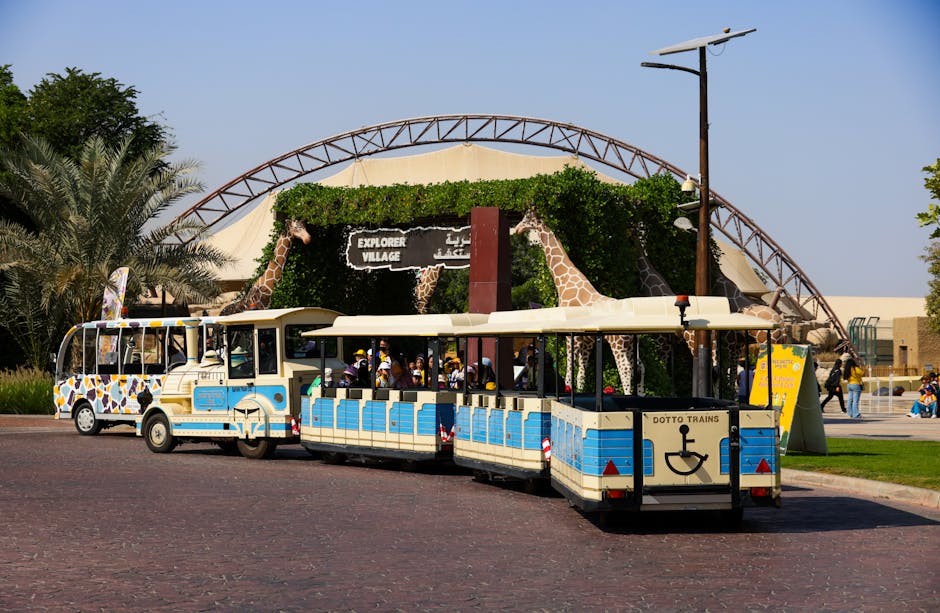
    Let me paint you a picture. It’s 9:15 AM, the gates have just opened, your 5-year-old is already crying because they didn’t get the exact color of balloon they wanted, and your older one is sprinting toward a ride that has a 90-minute wait time. You haven’t even had your first coffee yet. Sound familiar? That was us at a major theme park last month โ€” and honestly? It was still one of the best trips we’ve ever taken. But only because we stopped pretending theme parks with kids are magical by default and started treating them like a strategic mission with snack breaks.

    Theme park travel with children in 2026 looks pretty different from even a few years ago. Crowds have shifted, technology has changed how we queue and plan, and โ€” let’s be honest โ€” kids’ expectations have skyrocketed thanks to content they consume online. So let’s dig into what’s actually working for families right now, and what to realistically expect when you walk through those gates.

    family theme park entrance children happy 2026 summer travel

    ๐Ÿ“Š The Real Numbers: What Families Are Spending & Experiencing in 2026

    According to the 2026 Global Theme Park Visitor Survey by AECOM, theme parks globally welcomed over 520 million visitors in 2025, with family groups (one or more children under 12) making up roughly 54% of all attendance. That’s a massive segment โ€” and parks are designing their entire experience around capturing and retaining that demographic.

    But here’s where it gets interesting for your wallet. The average all-in daily spend per family of four at a major theme park in North America now sits around $650โ€“$900 USD when you factor in tickets, food, parking, and at least one impulse plush toy purchase (don’t fight it โ€” just budget for it). In South Korea, destinations like Everland or Lotte World average around โ‚ฉ180,000โ€“โ‚ฉ250,000 KRW per family day visit when food and extras are included.

    • Average wait time for top-tier rides: 45โ€“75 minutes without a fast-pass system
    • Recommended park hours for families with under-7s: Arrive at open, leave by 3 PM โ€” before the afternoon meltdown window hits
    • Best crowd days in 2026: Tuesday and Wednesday remain statistically the lowest-attendance days globally
    • Mobile app adoption: Over 78% of theme park visitors now use the official park app for real-time wait times and digital queue enrollment
    • Average steps walked: 12,000โ€“18,000 steps per park day โ€” yes, you will be tired

    ๐ŸŒ Global Examples: How Parks Are Adapting for Families Right Now

    Let’s look at what’s actually happening at parks domestically and internationally, because the gap between a good family experience and a draining one often comes down to how well a park has thought through its youngest guests.

    Universal Epic Universe (Orlando, USA) โ€” Opened in 2025 and now hitting its stride in 2026, Epic Universe has been widely praised for its layered ride intensity system, which lets parents quickly identify which attractions are stroller-friendly, which have height restrictions, and which have sensory-intense elements. For families with kids of mixed ages, this is a genuine game changer. The park’s “Parent Swap” program has also been refined so the waiting parent doesn’t lose their mind standing by a locker for 40 minutes.

    Everland (Gyeonggi-do, South Korea) โ€” Everland continues to be one of Asia’s most family-conscious parks in 2026. Their Zootopia zone expansion (completed late 2025) added a dedicated toddler-paced experience area, and their multilingual staff training means international families visiting Seoul feel genuinely supported. The seasonal flower festivals also give non-ride-age children something visually stunning to engage with โ€” smart design thinking.

    Efteling (Netherlands) โ€” Often overlooked by non-European travelers, Efteling remains one of the most thoughtfully designed family parks on the planet. Their storytelling-first approach means even a 2-year-old is engaged without being overstimulated. In 2026, they expanded their accessible experience pathways for children with sensory processing differences โ€” a model that more parks globally should study closely.

    theme park kids rides family snack break waiting line tips

    ๐Ÿ’ก What We Learned the Hard Way (So You Don’t Have To)

    After our own trip and aggregating feedback from parent travel communities, here are the patterns that genuinely separate stressful park days from great ones:

    • Pre-load your day: Book any time-slot rides or character dining at least 60 days out in 2026 โ€” demand hasn’t slowed down
    • The 10:30 AM lunch rule: Eat before the lunch rush hits. Yes, 10:30 AM lunch feels absurd. Do it anyway. You’ll thank yourself.
    • Sunscreen is a logistics problem: Bring your own in a backpack and reapply at transition points between zones โ€” not when you’re mid-queue
    • Build in a “nothing” hour: Around 1โ€“2 PM, kids need downtime. Find shade, grab a snack, let them just exist for 45 minutes. It resets everyone’s emotional battery
    • Single rider lines work differently with kids: For older children (8+), some parks allow single rider queues at half the standard wait โ€” worth checking park-by-park policies

    ๐Ÿ”„ Realistic Alternatives: When a Full Theme Park Day Isn’t the Right Call

    Here’s the honest truth โ€” a full-day theme park experience isn’t the right move for every family, every trip, or every child. And recognizing that isn’t a parenting failure; it’s just good trip planning.

    If your child is under 4, consider half-day visits in the morning only rather than full-day tickets. Many parks now offer discounted half-day entry after 3 PM as well, which can work if your child is a later napper. If sensory overwhelm is a concern for your child, many parks including Disney and Universal now offer Sensory Guides downloadable from their apps that rate ride intensity across noise, motion, light, and crowd density dimensions.

    Alternatively, regional theme parks or water parks often deliver 80% of the joy at 40% of the cost and crowd stress. In Japan, smaller prefectural parks like Himeji Central Park or Tobu Zoo offer genuinely delightful family days without the logistical complexity of a Tokyo DisneySea visit. In the US, Hersheypark or Silver Dollar City frequently outrank massive mega-parks in family satisfaction surveys precisely because of their more manageable scale.

    And if budget is the real constraint in 2026 โ€” because let’s be real, inflation hasn’t been kind to family travel โ€” look hard at annual pass math. For families who live within 2 hours of a major park, a single annual pass often pays for itself after just two visits, and the ability to do shorter, lower-stakes visits completely changes how relaxed and enjoyable the experience feels.


    Editor’s Comment : Theme park travel with kids in 2026 is genuinely wonderful โ€” but it rewards planning and self-awareness more than spontaneity. The families who seem to be having the best time aren’t the ones who planned the most rides; they’re the ones who planned the most flexibility. Build buffer time, honor your kid’s rhythms, and give yourself permission to leave early if the day has peaked. A 5-hour magical day beats a 10-hour exhausting one every single time. Go have fun โ€” just do it strategically. ๐ŸŽข

    ํƒœ๊ทธ: [‘theme park family travel 2026’, ‘traveling with kids tips’, ‘best theme parks for families’, ‘family vacation planning’, ‘theme park survival guide’, ‘kids travel review’, ‘family travel budget tips’]

  • ์•„์ด์™€ ํ•จ๊ป˜ํ•˜๋Š” ํ…Œ๋งˆํŒŒํฌ ์—ฌํ–‰ ์™„๋ฒฝ ๊ฐ€์ด๋“œ 2026 | ํ˜„์‹ค ํ›„๊ธฐ์™€ ๊ฟ€ํŒ ์ด์ •๋ฆฌ

    ์ง€๋‚œ ์ฃผ๋ง, ๋‹ค์„ฏ ์‚ด ์•„์ด์˜ ์†์„ ์žก๊ณ  ์ฒ˜์Œ์œผ๋กœ ๋Œ€ํ˜• ํ…Œ๋งˆํŒŒํฌ ๋ฌธ์„ ํ†ต๊ณผํ–ˆ๋˜ ์ˆœ๊ฐ„์„ ์•„์ง๋„ ์žŠ์„ ์ˆ˜๊ฐ€ ์—†์–ด์š”. ์•„์ด๊ฐ€ ์บ๋ฆญํ„ฐ ์ธํ˜•์„ ๋ฐœ๊ฒฌํ•˜๊ณ  ๋ˆˆ์„ ๋™๊ทธ๋ž—๊ฒŒ ๋œจ๋˜ ํ‘œ์ •, ๊ทธ ์ˆœ๊ฐ„ ํ•˜๋‚˜๋งŒ์œผ๋กœ๋„ 2์‹œ๊ฐ„ ๋„˜๋Š” ์ด๋™ ์‹œ๊ฐ„๊ณผ ์ƒˆ๋ฒฝ๋ถ€ํ„ฐ ์ค€๋น„ํ•˜๋А๋ผ ์Œ“์ธ ํ”ผ๋กœ๊ฐ€ ์‹น ๋‚ ์•„๊ฐ€๋Š” ๊ธฐ๋ถ„์ด์—ˆ์Šต๋‹ˆ๋‹ค. ๊ทธ๋Ÿฐ๋ฐ ์†”์งํžˆ ๋งํ•˜๋ฉด, ๊ทธ ์ „๋‚  ๋ฐค๊นŒ์ง€ ‘๊ณผ์—ฐ ์ด๊ฒŒ ๋งž๋Š” ์„ ํƒ์ผ๊นŒ?’ ํ•˜๋Š” ๊ณ ๋ฏผ์„ ํ•œ๊ฐ€๋“ ์•ˆ๊ณ  ์ž ๋“ค์—ˆ๋˜ ๊ฒƒ๋„ ์‚ฌ์‹ค์ด์—์š”. ํ…Œ๋งˆํŒŒํฌ ์—ฌํ–‰์€ ๋ถ„๋ช… ์„ค๋ ˆ๋Š” ๊ฒฝํ—˜์ด์ง€๋งŒ, ์•„์ด๋ฅผ ๋™๋ฐ˜ํ•œ ์—ฌํ–‰์€ ์„ฑ์ธ๋ผ๋ฆฌ์˜ ์—ฌํ–‰๊ณผ๋Š” ์ฐจ์›์ด ๋‹ค๋ฅธ ์ค€๋น„์™€ ์ฒด๋ ฅ์ด ํ•„์š”ํ•˜๊ฑฐ๋“ ์š”. ์ด๋ฒˆ ๊ธ€์—์„œ๋Š” ์ง์ ‘ ๋‹ค๋…€์˜จ ๊ฒฝํ—˜์„ ํ† ๋Œ€๋กœ, 2026๋…„ ํ˜„์žฌ ๊ตญ๋‚ด์™ธ ํ…Œ๋งˆํŒŒํฌ ํŠธ๋ Œ๋“œ์™€ ํ˜„์‹ค์ ์ธ ์ค€๋น„ ์ „๋žต๊นŒ์ง€ ํ•จ๊ป˜ ์ •๋ฆฌํ•ด ๋ณด๋ ค๊ณ  ํ•ฉ๋‹ˆ๋‹ค.

    family theme park entrance children smiling colorful

    ๐Ÿ“Š ์ˆซ์ž๋กœ ๋ณด๋Š” ํ…Œ๋งˆํŒŒํฌ ์—ฌํ–‰์˜ ํ˜„์‹ค โ€” ์–ผ๋งˆ๋‚˜, ์–ด๋–ป๊ฒŒ ์ค€๋น„ํ•ด์•ผ ํ• ๊นŒ?

    2026๋…„ ๊ธฐ์ค€, ๊ตญ๋‚ด ์ฃผ์š” ํ…Œ๋งˆํŒŒํฌ์˜ ์„ฑ์ธ 1์ผ ์ด์šฉ๊ถŒ ํ‰๊ท  ๊ฐ€๊ฒฉ์€ ์•ฝ 7๋งŒ ์›~9๋งŒ 5์ฒœ ์› ์ˆ˜์ค€์œผ๋กœ, 4~5๋…„ ์ „๊ณผ ๋น„๊ตํ•ด ์•ฝ 25~30% ๊ฐ€๋Ÿ‰ ์ธ์ƒ๋œ ์ƒํƒœ๋ผ๊ณ  ๋ด์•ผ ํ•  ๊ฒƒ ๊ฐ™์•„์š”. 4์ธ ๊ฐ€์กฑ ๊ธฐ์ค€์œผ๋กœ ์ž…์žฅ๋ฃŒ๋งŒ ๊ณ„์‚ฐํ•ด๋„ ์ตœ์†Œ 25๋งŒ ์› ์ด์ƒ์ด ๊ธฐ๋ณธ์œผ๋กœ ๋‚˜๊ฐ€๋Š” ์…ˆ์ด์ฃ .

    ๋˜ํ•œ ํ•œ๊ตญ์†Œ๋น„์ž์›์ด ๊ณต๊ฐœํ•œ ์ž๋ฃŒ์— ๋”ฐ๋ฅด๋ฉด, ํ…Œ๋งˆํŒŒํฌ ๋ฐฉ๋ฌธ ๊ฐ€์กฑ์˜ ํ‰๊ท  1์ผ ์ด ์ง€์ถœ์•ก์€ ์ž…์žฅ๋ฃŒ ํฌํ•จ ์•ฝ 52๋งŒ~68๋งŒ ์›์— ๋‹ฌํ•œ๋‹ค๊ณ  ํ•ฉ๋‹ˆ๋‹ค. ์ด ๊ธˆ์•ก ์•ˆ์—๋Š” ์‹์Œ๋ฃŒ๋น„, ๊ธฐ๋…ํ’ˆ, ๊ตํ†ต๋น„, ์ฃผ์ฐจ๋น„ ๋“ฑ์ด ํฌํ•จ๋˜์–ด ์žˆ์–ด์š”. ์ค€๋น„ ์—†์ด ๊ฐ”๋‹ค๊ฐ€ ์ฒด๊ฐ ์ง€์ถœ์ด ์˜ˆ์ƒ๋ณด๋‹ค ๋‘ ๋ฐฐ๊ฐ€ ๋˜์–ด๋ฒ„๋ฆฌ๋Š” ๊ฒฝํ—˜, ํ•œ ๋ฒˆ์ฏค ํ•ด๋ณด์…จ์„ ๊ฑฐ๋ผ๊ณ  ๋ด…๋‹ˆ๋‹ค.

    ํŠนํžˆ ์ฃผ๋ชฉํ•  ๋งŒํ•œ ์ˆ˜์น˜๋Š” ํ‰๊ท  ๋Œ€๊ธฐ ์‹œ๊ฐ„์ธ๋ฐ์š”. ์„ฑ์ˆ˜๊ธฐ ์ฃผ๋ง ๊ธฐ์ค€์œผ๋กœ ์ธ๊ธฐ ์–ดํŠธ๋ž™์…˜์˜ ๋Œ€๊ธฐ ์‹œ๊ฐ„์€ ํ‰๊ท  60๋ถ„~120๋ถ„์— ์œก๋ฐ•ํ•ฉ๋‹ˆ๋‹ค. ๋งŒ 5์„ธ ์ดํ•˜ ์•„์ด์™€ ํ•จ๊ป˜๋ผ๋ฉด ์ด ๋Œ€๊ธฐ ์‹œ๊ฐ„์ด ๊ณง ์ฒด๋ ฅ ์†Œ์ง„์˜ ํ•ต์‹ฌ ๋ณ€์ˆ˜๊ฐ€ ๋˜๊ธฐ ๋•Œ๋ฌธ์—, ํŒจ์ŠคํŠธํŠธ๋ž™(Fast Pass) ํ˜น์€ ์‚ฌ์ „ ์˜ˆ์•ฝ์ œ ์–ดํŠธ๋ž™์…˜์„ ๋ฐ˜๋“œ์‹œ ํŒŒ์•…ํ•ด ๋‘๋Š” ๊ฒŒ ํ•ต์‹ฌ์ด๋ผ๊ณ  ์ƒ๊ฐํ•ด์š”.

    • โœ… ์˜คํ”ˆ๋Ÿฐ ์ „๋žต: ๊ฐœ์žฅ 30๋ถ„ ์ „ ๋„์ฐฉ ์‹œ, ์ฒซ 1~2์‹œ๊ฐ„ ๋™์•ˆ ์ธ๊ธฐ ์–ดํŠธ๋ž™์…˜ 3~4๊ฐœ ํƒ‘์Šน ๊ฐ€๋Šฅ โ€” ์˜คํ›„ ๋Œ€๋น„ ๋Œ€๊ธฐ ์‹œ๊ฐ„ ์•ฝ 70% ์ ˆ๊ฐ ํšจ๊ณผ
    • โœ… ํ‰์ผ ๋ฐฉ๋ฌธ: ์ฃผ๋ง ๋Œ€๋น„ ๋ฐฉ๋ฌธ๊ฐ ์ˆ˜ ์•ฝ 40~50% ๊ฐ์†Œ, ์•„์ด์˜ ์ŠคํŠธ๋ ˆ์Šค ์ง€์ˆ˜์™€ ์ง๊ฒฐ๋จ
    • โœ… ๋ชจ๋ฐ”์ผ ์•ฑ ํ™œ์šฉ: ์—๋ฒ„๋žœ๋“œ, ๋กฏ๋ฐ์›”๋“œ ๋“ฑ ์ฃผ์š” ํŒŒํฌ์˜ ๊ณต์‹ ์•ฑ์—์„œ ์‹ค์‹œ๊ฐ„ ๋Œ€๊ธฐ ํ˜„ํ™ฉ ํ™•์ธ ๊ฐ€๋Šฅ (2026๋…„ ๊ธฐ์ค€ ์•ฑ ๊ธฐ๋Šฅ ๋Œ€ํญ ์—…๋ฐ์ดํŠธ๋จ)
    • โœ… ์‚ฌ์ „ ํ‹ฐ์ผ“ ๊ตฌ๋งค: ๋„ค์ด๋ฒ„, ์ฟ ํŒก, ๊ณต์‹ ํ™ˆํŽ˜์ด์ง€ ์‚ฌ์ „ ์˜ˆ๋งค ์‹œ ํ‰๊ท  10~20% ํ• ์ธ ์ ์šฉ ๊ฐ€๋Šฅ
    • โœ… ์ ์‹ฌ ํ”ผํฌ ํƒ€์ž„ ํšŒํ”ผ: ๋‚ฎ 12์‹œ~1์‹œ 30๋ถ„ ์‚ฌ์ด ์‹์‚ฌ ์ค„์ด ๊ฐ€์žฅ ๊ธธ์–ด์ง, ์ด ์‹œ๊ฐ„๋Œ€์—” ์˜คํžˆ๋ ค ์–ดํŠธ๋ž™์…˜ ์ค„์ด ์งง์•„์ง€๋Š” ์—ญ์ „ ํ˜„์ƒ ๋ฐœ์ƒ

    ๐ŸŒ ๊ตญ๋‚ด์™ธ ํ…Œ๋งˆํŒŒํฌ, ์•„์ด์™€ ํ•จ๊ป˜๋ผ๋ฉด ์–ด๋””๊ฐ€ ๋‹ค๋ฅผ๊นŒ?

    ๊ตญ๋‚ด ๋Œ€ํ‘œ ํ…Œ๋งˆํŒŒํฌ์ธ ์—๋ฒ„๋žœ๋“œ์™€ ๋กฏ๋ฐ์›”๋“œ๋Š” 2026๋…„ ํ˜„์žฌ ๊ฐ๊ฐ ์ƒˆ๋กœ์šด ์–ด๋ฆฐ์ด ์ „์šฉ ๊ตฌ์—ญ ๋ฐ IP ์ฝœ๋ผ๋ณด ์กด์„ ๋ฆฌ๋‰ด์–ผ ์˜คํ”ˆํ•˜๋ฉด์„œ ์œ ์•„ ๋™๋ฐ˜ ๊ฐ€์กฑ์˜ ๋งŒ์กฑ๋„๋ฅผ ํฌ๊ฒŒ ๋†’์˜€๋‹ค๋Š” ํ‰๊ฐ€๋ฅผ ๋ฐ›๊ณ  ์žˆ์–ด์š”. ํŠนํžˆ ์—๋ฒ„๋žœ๋“œ์˜ ๊ฒฝ์šฐ 2025๋…„ ๋ง๋ถ€ํ„ฐ ์šด์˜์„ ์‹œ์ž‘ํ•œ ‘ํŒจ๋ฐ€๋ฆฌ ์ผ€์–ด ์„ผํ„ฐ’๋Š” ์ˆ˜์œ ์‹ค, ๊ธฐ์ €๊ท€ ๊ตํ™˜๋Œ€, ์œ ์•„ ์‹๋‹จ ์ „์šฉ ๋ฉ”๋‰ด๋ฅผ ํ•˜๋‚˜์˜ ๊ณต๊ฐ„์— ํ†ตํ•ฉํ•œ ๊ตฌ์กฐ๋กœ, ์‹ค์ œ ๋ฐฉ๋ฌธํ•œ ๋ถ€๋ชจ๋“ค ์‚ฌ์ด์—์„œ ๋†’์€ ํ˜ธ์‘์„ ์–ป๊ณ  ์žˆ๋‹ค๊ณ  ๋ด…๋‹ˆ๋‹ค.

    ํ•ด์™ธ ์‚ฌ๋ก€๋กœ๋Š” ์—ญ์‹œ ๋„์ฟ„ ๋””์ฆˆ๋‹ˆ๋ฆฌ์กฐํŠธ(Tokyo Disney Resort)๊ฐ€ ์•„์ด ๋™๋ฐ˜ ์—ฌํ–‰์˜ ๋ ˆํผ๋Ÿฐ์Šค๋กœ ์ž์ฃผ ์–ธ๊ธ‰๋˜๋Š”๋ฐ์š”. ์ผ๋ณธ ํŠน์œ ์˜ ์„ธ์‹ฌํ•œ ์„œ๋น„์Šค ๋ฌธํ™” ๋•๋ถ„์— ์œ ๋ชจ์ฐจ ๋ณด๊ด€, ์–ด๋ฆฐ์ด ์‹ ์žฅ ์ œํ•œ ์•ˆ๋‚ด, ์บ๋ฆญํ„ฐ ๊ทธ๋ฆฌํŒ… ์˜ˆ์•ฝ ์‹œ์Šคํ…œ ๋“ฑ์ด ๋งค์šฐ ์ฒด๊ณ„์ ์œผ๋กœ ์šด์˜๋œ๋‹ค๋Š” ์ ์—์„œ ๊ตญ๋‚ด ํŒŒํฌ๋“ค์ด ๋ฒค์น˜๋งˆํ‚นํ•  ๋ถ€๋ถ„์ด ๋งŽ๋‹ค๊ณ  ๋ผ์ด๊ณ  ๋ด…๋‹ˆ๋‹ค. 2026๋…„ ๊ธฐ์ค€์œผ๋กœ๋„ ๋„์ฟ„ ๋””์ฆˆ๋‹ˆ๋žœ๋“œ๋Š” ‘ํ”„๋ฆฌ๋ฏธ์–ด ์•ก์„ธ์Šค(Premier Access)’ ์œ ๋ฃŒ ์šฐ์„  ํƒ‘์Šน ์‹œ์Šคํ…œ์„ ํ†ตํ•ด ์•„์ด์™€ ํ•จ๊ป˜ ๋” ํšจ์œจ์ ์ธ ๋™์„ ์„ ์„ค๊ณ„ํ•  ์ˆ˜ ์žˆ๋„๋ก ์ง€์›ํ•˜๊ณ  ์žˆ์–ด์š”.

    ๋ฐ˜๋ฉด ์œ ๋‹ˆ๋ฒ„์„ค ์ŠคํŠœ๋””์˜ค ์žฌํŒฌ(USJ)์€ 2025๋…„ ์ดํ›„ ๋‹Œํ…๋„ ์›”๋“œ 2์ฐจ ํ™•์žฅ์ด ์ด๋ฃจ์–ด์ง€๋ฉด์„œ ์•„์ด๋ถ€ํ„ฐ ์–ด๋ฅธ๊นŒ์ง€ ์„ธ๋Œ€๋ฅผ ์•„์šฐ๋ฅด๋Š” ๊ฒฝํ—˜์„ ์ œ๊ณตํ•œ๋‹ค๋Š” ์ ์—์„œ ์—ฌ์ „ํžˆ ๊ฐ•์ ์„ ์ง€๋‹Œ๋‹ค๊ณ  ๋ณผ ์ˆ˜ ์žˆ์–ด์š”. ํŠนํžˆ ๋‹Œํ…๋„ ์›”๋“œ์˜ ๊ฒฝ์šฐ ์Šค๋งˆํŠธํฐ ์•ฑ๊ณผ ์—ฐ๋™๋˜๋Š” ์ธํ„ฐ๋ž™ํ‹ฐ๋ธŒ ์ฒดํ—˜์ด ์œ ์•„๋„ ์‰ฝ๊ฒŒ ์ฐธ์—ฌํ•  ์ˆ˜ ์žˆ๋„๋ก ์„ค๊ณ„๋˜์–ด ์žˆ์–ด, ์•„์ด๋ฅผ ๋™๋ฐ˜ํ•œ ๋ฐฉ๋ฌธ๊ฐ์˜ ๋งŒ์กฑ๋„๊ฐ€ ๊พธ์ค€ํžˆ ๋†’๊ฒŒ ๋‚˜์˜ค๊ณ  ์žˆ๋‹ค๋Š” ์ ์ด ์ธ์ƒ์ ์ž…๋‹ˆ๋‹ค.

    parent child theme park ride happy daytime outdoor

    ๐ŸŽ’ ํ˜„์žฅ์—์„œ ๋ฐฐ์šด ๊ฒƒ๋“ค โ€” ์ง์ ‘ ๊ฒช์–ด๋ณธ ์‹œํ–‰์ฐฉ์˜ค

    ์ œ๊ฐ€ ์ง์ ‘ ๋‹ค๋…€์™€์„œ ๊ฐ€์žฅ ํฌ๊ฒŒ ํ›„ํšŒํ–ˆ๋˜ ๊ฒƒ์€ ๋ฐ”๋กœ ์ง์˜ ๋ฌด๊ฒŒ์˜€์–ด์š”. ์•„์ด ๊ฐ„์‹, ์—ฌ๋ฒŒ ์˜ท, ์„ ํฌ๋ฆผ, ์šฐ๋น„, ๋ฌผํ†ต๊นŒ์ง€ ์ฑ™๊ธฐ๋‹ค ๋ณด๋‹ˆ ๋ฐฐ๋‚ญ์ด 10kg์— ์œก๋ฐ•ํ–ˆ๊ณ , ์˜คํ›„๊ฐ€ ๋˜์ž ํ—ˆ๋ฆฌ์™€ ์–ด๊นจ์— ๋ฌด๋ฆฌ๊ฐ€ ์˜ค๊ธฐ ์‹œ์ž‘ํ–ˆ์Šต๋‹ˆ๋‹ค. ํ…Œ๋งˆํŒŒํฌ ๋‚ด ์ฝ”์ธ ๋กœ์ปค๋ฅผ ์ ๊ทน ํ™œ์šฉํ•˜๊ฑฐ๋‚˜, ํ•„์ˆ˜ํ’ˆ๋งŒ ์ž‘์€ ํฌ๋กœ์Šค๋ฐฑ์— ๋„ฃ๊ณ  ๋‚˜๋จธ์ง€๋Š” ์ฐจ๋Ÿ‰์— ๋‘๊ณ  ์˜ค๋Š” ๋ฐฉ์‹์„ ์ถ”์ฒœํ•˜๊ณ  ์‹ถ์–ด์š”.

    ๋˜ ํ•˜๋‚˜, ์•„์ด์˜ ๋‚ฎ์ž  ํƒ€์ž„์„ ๋ฌด์‹œํ•˜๋ฉด ์˜คํ›„๊ฐ€ ์ •๋ง ํž˜๋“ค์–ด์ง‘๋‹ˆ๋‹ค. ์œ ์•„๋Š” ๋ณดํ†ต ์˜คํ›„ 1~3์‹œ ์‚ฌ์ด์— ํ”ผ๋กœ๊ฐ์ด ๋ˆ„์ ๋˜๋Š” ๊ฒฝํ–ฅ์ด ์žˆ์–ด์š”. ์ด ์‹œ๊ฐ„๋Œ€์— ๋ฌด๋ฆฌํ•˜๊ฒŒ ์–ดํŠธ๋ž™์…˜์„ ํƒœ์šฐ๋ ค๋‹ค ์•„์ด๊ฐ€ ์นญ์–ผ๋Œ€๊ธฐ ์‹œ์ž‘ํ•˜๋ฉด ๋ถ€๋ชจ๋„ ํ•จ๊ป˜ ์ง€์น˜๊ฒŒ ๋˜์ฃ . ์ฐจ๋ผ๋ฆฌ ์ด ์‹œ๊ฐ„์„ ์•ผ์™ธ ๊ทธ๋Š˜์—์„œ์˜ ๊ฐ„์‹ ํƒ€์ž„, ํ˜น์€ ์‹ค๋‚ด ์บ๋ฆญํ„ฐ ์ „์‹œ ๊ด€๋žŒ์œผ๋กœ ์ฑ„์šฐ๋Š” ๊ฒƒ์ด ์ „์ฒด ์—ฌํ–‰ ๋งŒ์กฑ๋„๋ฅผ ํ›จ์”ฌ ๋†’์—ฌ์ค€๋‹ค๊ณ  ๋ด…๋‹ˆ๋‹ค.

    • ๐ŸŽฏ ์œ ์•„ ์‹ ์žฅ ์ œํ•œ ์‚ฌ์ „ ํ™•์ธ: ์–ดํŠธ๋ž™์…˜๋ณ„ ์ตœ์†Œ ์‹ ์žฅ ๊ธฐ์ค€(๋ณดํ†ต 90cm~110cm)์„ ๋ฏธ๋ฆฌ ์ฒดํฌํ•ด๋‘๋ฉด ํ˜„์žฅ ์‹ค๋ง์„ ์ค„์ผ ์ˆ˜ ์žˆ์–ด์š”
    • ๐ŸŽฏ ์Œ์‹ ์•Œ๋Ÿฌ์ง€ ์‚ฌ์ „ ๋ฌธ์˜: ํ…Œ๋งˆํŒŒํฌ ๊ณต์‹ ํ™ˆํŽ˜์ด์ง€ ๋˜๋Š” ๊ณ ๊ฐ์„ผํ„ฐ๋ฅผ ํ†ตํ•ด ์œ ์•„ ์•Œ๋Ÿฌ์ง€ ๋Œ€์‘ ๋ฉ”๋‰ด ์—ฌ๋ถ€๋ฅผ ์‚ฌ์ „ ํ™•์ธ
    • ๐ŸŽฏ ๋ฏธ์•„ ๋ฐฉ์ง€ ํŒ”์ฐŒ: ์•„์ด ํŒ”๋ชฉ์— ๋ณดํ˜ธ์ž ์—ฐ๋ฝ์ฒ˜๋ฅผ ๊ธฐ์žฌํ•œ ํŒ”์ฐŒ ์ฐฉ์šฉ, 2026๋…„ ํ˜„์žฌ๋Š” QR์ฝ”๋“œ ๋ฐฉ์‹ ํŒ”์ฐŒ๋„ ๋งŽ์ด ํ™œ์šฉ๋จ
    • ๐ŸŽฏ ์šฐ์ฒœ ๋Œ€๋น„: ์ ‘์ด์‹ ์šฐ๋น„๋ฅผ 1์ธ๋‹น 1๊ฐœ์”ฉ ์ค€๋น„, ํ˜„์žฅ ๊ตฌ๋งค ์‹œ 2~3๋ฐฐ ๊ฐ€๊ฒฉ ์ฐจ์ด ๋ฐœ์ƒ
    • ๐ŸŽฏ ๊ท€๊ฐ€ ์‹œ๊ฐ„ ์—ญ์‚ฐ ๊ณ„ํš: ์•„์ด์˜ ์ทจ์นจ ์‹œ๊ฐ„(๋ณดํ†ต ์˜คํ›„ 9~10์‹œ ๊ธฐ์ค€)์—์„œ ์—ญ์‚ฐํ•ด ์˜คํ›„ 5์‹œ ์ด์ „ ํ‡ด์žฅ์„ ๋ชฉํ‘œ๋กœ ์„ค์ •

    ๐Ÿ’ก ํ˜„์‹ค์ ์ธ ๋Œ€์•ˆ โ€” ํ’€์ฝ”์Šค๊ฐ€ ๋ถ€๋‹ด์Šค๋Ÿฝ๋‹ค๋ฉด?

    ์†”์งํ•˜๊ฒŒ ๋ง์”€๋“œ๋ฆฌ๋ฉด, ํ…Œ๋งˆํŒŒํฌ ํ•˜๋ฃจ ํ’€์ฝ”์Šค๋Š” ์•„์ด์—๊ฒŒ๋„, ๋ถ€๋ชจ์—๊ฒŒ๋„ ๊ฝค ํฐ ์—๋„ˆ์ง€ ์†Œ๋ชจ์ž…๋‹ˆ๋‹ค. ๋งŒ์•ฝ ์˜ˆ์‚ฐ์ด๋‚˜ ์ฒด๋ ฅ์ด ๊ฑฑ์ •๋œ๋‹ค๋ฉด ๋ฐ˜์ผ๊ถŒ ๋˜๋Š” ์˜คํ›„๊ถŒ์„ ์ ๊ทน ๊ณ ๋ คํ•ด ๋ณด์‹œ๊ธธ ์ถ”์ฒœํ•ด์š”. ๋งŽ์€ ํ…Œ๋งˆํŒŒํฌ๊ฐ€ ์˜คํ›„ 3~4์‹œ ์ดํ›„ ์ž…์žฅ ๊ฐ€๋Šฅํ•œ ์ €๊ฐ€ ํ‹ฐ์ผ“์„ ์šด์˜ํ•˜๊ณ  ์žˆ์œผ๋ฉฐ, ์กฐ๋ช…์ด ์ผœ์ง€๋Š” ์•ผ๊ฐ„ ์‹œ๊ฐ„๋Œ€๋Š” ์•„์ด๋“ค์—๊ฒŒ ์˜คํžˆ๋ ค ๋” ๋งˆ๋ฒ• ๊ฐ™์€ ๊ฒฝํ—˜์œผ๋กœ ๋‚จ๊ธฐ๋„ ํ•˜๊ฑฐ๋“ ์š”.

    ๋˜ํ•œ ํ…Œ๋งˆํŒŒํฌ ‘๊ทผ๊ต ์ˆ™๋ฐ• ํŒจํ‚ค์ง€’๋ฅผ ์ด์šฉํ•˜๋ฉด ์ดํ‹€์— ๊ฑธ์ณ ์—ฌ์œ  ์žˆ๊ฒŒ ์ฆ๊ธธ ์ˆ˜ ์žˆ์–ด ์•„์ด์˜ ํ”ผ๋กœ๋„๋ฅผ ๋‚ฎ์ถ”๋ฉด์„œ๋„ ๋” ๋งŽ์€ ๊ฒƒ์„ ๊ฒฝํ—˜ํ•  ์ˆ˜ ์žˆ๋‹ค๋Š” ์žฅ์ ์ด ์žˆ์–ด์š”. 2026๋…„ ํ˜„์žฌ ์—๋ฒ„๋žœ๋“œ, ๋กฏ๋ฐ์›”๋“œ ๋“ฑ ๊ตญ๋‚ด ์ฃผ์š” ํŒŒํฌ๋“ค์€ ์ธ๊ทผ ํ˜ธํ…”๊ณผ ์—ฐ๊ณ„ํ•œ ํŒจ๋ฐ€๋ฆฌ ํŒจํ‚ค์ง€๋ฅผ ๋‹ค์–‘ํ•˜๊ฒŒ ์šด์˜ ์ค‘์ด๋ผ๊ณ  ๋ด…๋‹ˆ๋‹ค.

    ์—๋””ํ„ฐ ์ฝ”๋ฉ˜ํŠธ : ์•„์ด์™€ ํ•จ๊ป˜ํ•˜๋Š” ํ…Œ๋งˆํŒŒํฌ ์—ฌํ–‰์€ ‘์™„๋ฒฝํ•œ ํ•˜๋ฃจ’๋ฅผ ๋ชฉํ‘œ๋กœ ํ•˜๋ฉด ์˜คํžˆ๋ ค ์‹ค๋งํ•˜๊ธฐ ์‰ฌ์šด ๊ฒƒ ๊ฐ™์•„์š”. ์•„์ด๋Š” ์–ด๋ฅธ์ด ๊ธฐ๋Œ€ํ•˜๋Š” ๋ฐฉ์‹์œผ๋กœ ์ฆ๊ธฐ์ง€ ์•Š์„ ์ˆ˜ ์žˆ๊ฑฐ๋“ ์š”. ์–ดํŠธ๋ž™์…˜ ํ•˜๋‚˜๋ณด๋‹ค ์ง€๋‚˜๊ฐ€๋Š” ์บ๋ฆญํ„ฐ์™€ ๋ˆˆ์ธ์‚ฌ๋ฅผ ๋‚˜๋ˆ„๋Š” ์ˆœ๊ฐ„์ด ๋” ์˜ค๋ž˜ ๊ธฐ์–ต์— ๋‚จ์„ ์ˆ˜๋„ ์žˆ์Šต๋‹ˆ๋‹ค. ๊ผผ๊ผผํ•œ ์‚ฌ์ „ ์ค€๋น„๋Š” ๋ถ„๋ช… ๋„์›€์ด ๋˜์ง€๋งŒ, ๊ทธ ์ค€๋น„์˜ ๊ถ๊ทน์ ์ธ ๋ชฉ์ ์€ ‘์˜ˆ์ƒ์น˜ ๋ชปํ•œ ์ˆœ๊ฐ„์„ ์ฆ๊ธธ ์—ฌ์œ ๋ฅผ ํ™•๋ณดํ•˜๋Š” ๊ฒƒ’์ด๋ผ๊ณ  ์ƒ๊ฐํ•ด์š”. ๊ณ„ํš์€ 70%๋งŒ, ๋‚˜๋จธ์ง€ 30%๋Š” ์•„์ด๊ฐ€ ์ด๋„๋Š” ๋Œ€๋กœ ๋”ฐ๋ผ๊ฐ€ ๋ณด์„ธ์š”. ๊ทธ 30%์—์„œ ์ง„์งœ ์ถ”์–ต์ด ๋งŒ๋“ค์–ด์ง€๋Š” ๊ฒƒ ๊ฐ™์Šต๋‹ˆ๋‹ค. ๐ŸŽข

    ํƒœ๊ทธ: []

  • Beyond the Beaten Path: Unique Local Tour Routes in Korea You Need to Try in 2026

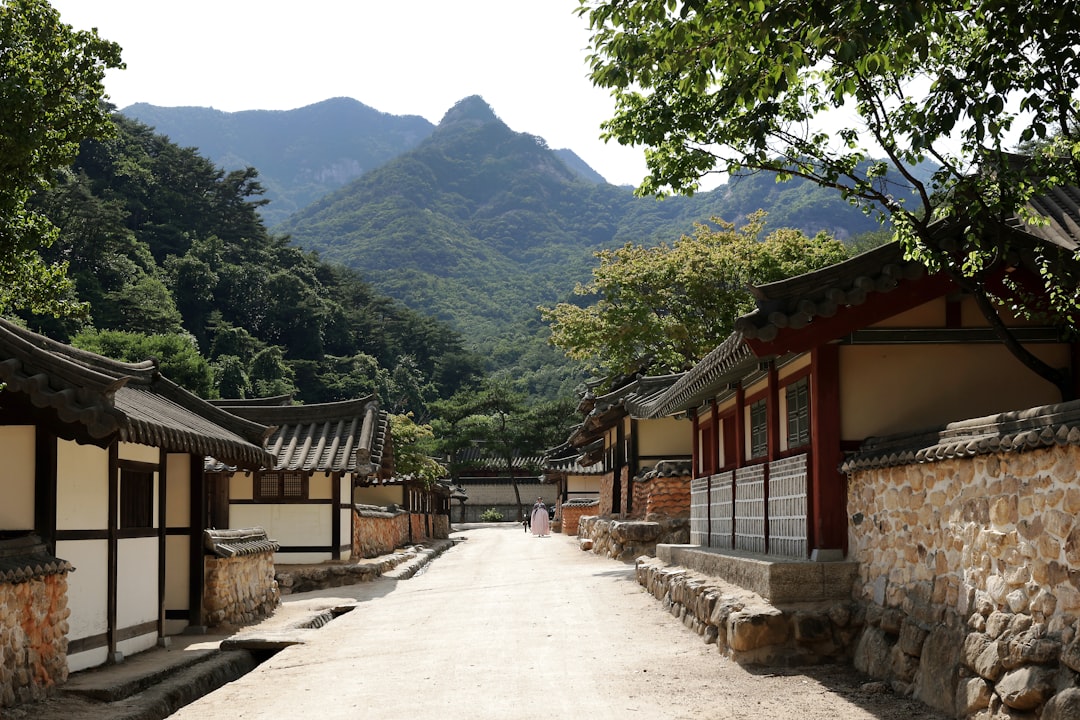
    I still remember the moment a fellow traveler at a Seoul guesthouse told me, “I’ve been to Gyeongbokgung three times, but I had no idea there was a centuries-old rice wine brewery tucked behind a neighborhood laundromat just two blocks away.” That single conversation completely rewired how I think about domestic travel in Korea. The best stories, it turns out, aren’t at the most-photographed spots โ€” they’re hiding in plain sight, waiting for someone curious enough to look sideways.

    If you’ve been living in or visiting Korea and feel like you’ve “done” the classics โ€” Jeju Island, Bukchon Hanok Village, Nami Island โ€” let’s think through this together. What does it actually mean to experience a place? And more importantly, what unique local tour routes are emerging in 2026 that can genuinely surprise even seasoned domestic travelers?

    Korean local alley tour, traditional village hidden gems, Korea off-the-beaten-path travel 2026

    Why “Different” Matters More Than Ever in 2026

    Korea’s domestic tourism industry has undergone a notable shift. According to the Korea Tourism Organization’s 2026 Q1 report, over 67% of domestic travelers under 40 now actively seek “experiential” and “story-driven” tours over conventional sightseeing. That’s a massive behavioral shift from even five years ago. The trend has a name in Korean tourism circles: ๋กœ์ปฌ ํฌ๋ฆฌ์—์ดํ‹ฐ๋ธŒ ํˆฌ์–ด๋ฆฌ์ฆ˜ (Local Creative Tourism) โ€” a framework that prioritizes authentic community interaction, craft culture, and slow travel over landmark-hopping.

    So what’s actually driving this? Think about it logically: when every tourist spot looks the same on Instagram, differentiation becomes the new luxury. Travelers aren’t just bored โ€” they’re actively hungry for meaning. And that’s exactly why niche local routes are not just a passing trend; they’re a structural evolution in how Koreans (and visitors to Korea) engage with their own geography.

    5 Genuinely Unique Local Tour Corridors Worth Exploring

    • Gunsan’s Japanese Colonial Architecture Trail (์ „๋ถ ๊ตฐ์‚ฐ): Gunsan is often called Korea’s “time capsule city.” Walking its preserved Japanese colonial-era streets isn’t just aesthetically striking โ€” local guides now offer context-rich tours that reframe this complicated history through the lens of Korean resilience. Unlike a typical heritage museum, you’re literally standing inside the narrative.
    • Yeongyang Dark Sky Village, Gyeongbuk (์˜์–‘ ๋ฐ˜๋”ง๋ถˆ์ด์ฒœ๋ฌธ๋Œ€ ์ผ๋Œ€): Designated as one of Asia’s few certified dark-sky preserves, Yeongyang offers nighttime stargazing tours combined with traditional mountain village homestays. It’s one of the rare places in Korea where turning off your phone actually enhances the experience โ€” not ruins it.
    • Bogil Island Slow Food Circuit, Jeonnam (๋ณด๊ธธ๋„): Beyond the famous Yun Seon-do Garden, Bogil Island has quietly developed a farm-to-table slow food tour circuit where travelers forage seasonal ingredients with local grandmothers and cook them in traditional wood-fired kitchens. No menus. No apps. Just food with a story.
    • Cheongju Craft Beer & Ceramic Art Route (์ฒญ์ฃผ ๊ณต์˜ˆ๋น„์—”๋‚ ๋ ˆ ๊ถŒ์—ญ): Cheongju โ€” home to the world’s oldest metal-printed book, Jikji โ€” has reinvented itself as a craft hub. In 2026, a curated half-day route connects independent ceramic studios with microbreweries using locally sourced barley and wild hops. It’s surprisingly coherent as an experience.
    • Uljin Eco-Walking Trail & Sea Fishing Village (์šธ์ง„ ๊ธˆ๊ฐ•์†ก ์ˆฒ๊ธธ): The ancient Korean red pine forest here predates most modern cities. Guided eco-tours now pair forest bathing (์ˆฒ์น˜์œ , or forest therapy) with a morning fishing session at nearby Hupo Harbor. The combination of silence and salt air is quietly transformative.

    What International Travelers Are Saying

    It’s worth noting that Korea isn’t operating in a vacuum here. Japan’s satoyama (rural village) tourism model and New Zealand’s “Tiaki Promise” (a pledge to care for the land while traveling) have both influenced how Korean local tour operators are designing their offerings. In fact, the Bogil Island slow food model draws direct inspiration from Italy’s Slow Food Movement, adapted brilliantly to the haenyeo (women divers) coastal culture of southern Korea.

    Internationally, travelers from Southeast Asia and Europe who’ve done these niche Korean tours in early 2026 consistently highlight one surprising element: the intimacy. Group sizes are small (often under 10 people), guides are frequently locals with deep personal ties to the area, and the pace allows for genuine conversation. That’s not something a bus tour to Gyeongju can replicate, no matter how good the itinerary is.

    Korean slow travel local guide, Bogil Island traditional cooking, Gunsan colonial architecture walk

    Realistic Alternatives If You Can’t Go Far

    Here’s where I want to be genuinely practical. Not everyone can take a 3-day trip to Uljin or hop a ferry to Bogil Island. Life is real, and logistics matter. So let’s think through some accessible alternatives:

    • Seoul’s Seun Arcade Maker District (์„ธ์šด์ƒ๊ฐ€): A short metro ride from central Seoul, this retro electronics and maker space district now hosts weekend “maker culture” walking tours. You can watch vintage radios being repaired next to 3D printing labs. It’s weird, wonderful, and free to explore independently.
    • Suwon’s Hidden Alley Food Markets (์ˆ˜์› ๋ชป๊ณจ์‹œ์žฅ): Skip the Hwaseong Fortress Instagram queue and instead join a local food guide for a 90-minute dive into Suwon’s underdog neighborhood markets. The galbi (short rib) culture here is distinctly Suwon โ€” and proudly so.
    • Self-guided village archive tours: The Korea Rural Community Corporation (ํ•œ๊ตญ๋†์–ด์ดŒ๊ณต์‚ฌ) publishes free downloadable self-guided tour maps for over 200 rural villages. These are genuinely underused resources that let you design your own meaningful route on a weekend budget.

    The point is this: a “different” travel experience doesn’t always require a passport or a week of PTO. Sometimes it just requires resisting the first Google result and asking a local โ€” or a good blogger โ€” what they’d actually show you if you had two hours to spare.

    Editor’s Comment : The most interesting thing about Korea’s local tour renaissance in 2026 isn’t the destinations themselves โ€” it’s the mindset shift behind them. Travelers are increasingly asking “what will I understand better after this trip?” rather than “what will look good in my photos?” That’s a healthy evolution, and honestly, Korea’s layered history and hyperdiverse regional cultures are perfectly suited for it. If you take one thing from this piece, let it be this: the side street is almost always more interesting than the main road. Go find yours.

    ํƒœ๊ทธ: [‘Korea local tour 2026’, ‘unique travel routes Korea’, ‘domestic travel Korea’, ‘off the beaten path Korea’, ‘slow travel Korea’, ‘Korean hidden gems’, ‘experiential tourism Korea’]

  • Best Safe & Fun Southeast Asia Family Travel Destinations in 2026: A Practical Guide for Worry-Free Adventures

    Last summer, a close friend of mine packed up her three kids โ€” ages 5, 9, and 13 โ€” and headed to Southeast Asia for the first time. She’d been putting it off for years, convinced it was “too risky” or “too complicated” for a family trip. Three weeks later, she came back with a thousand photos, two new favorite foods, and one very important confession: “I should’ve done this years ago.”

    If you’ve been on the fence about taking your family to Southeast Asia, I completely understand the hesitation. The region gets a mixed reputation โ€” and honestly, not always fairly. So let’s reason through this together: which destinations actually hold up for families in 2026, and what should you realistically expect?

    family travel Southeast Asia beach kids tropical 2026

    Why Southeast Asia in 2026? The Big Picture

    Southeast Asia has made enormous strides in tourism infrastructure over the past decade. According to the ASEAN Tourism Report 2025, family travel to the region grew by 18% year-over-year, with countries like Japan โ€” wait, let me be precise โ€” Singapore, Thailand, and Vietnam leading in family-friendly satisfaction scores. Healthcare access, English-speaking staff at major tourist hubs, and improved road safety in resort zones have all contributed to this shift.

    That said, not every corner of Southeast Asia is created equal for families with young children. The key is picking destinations with the right combination of safety infrastructure, child-friendly activities, and medical access โ€” which is exactly what we’re breaking down here.

    Top Safe & Fun Destinations for Families in 2026

    Let’s walk through the best options, ranked not just by popularity but by real family-travel viability:

    • Singapore ๐Ÿ‡ธ๐Ÿ‡ฌ โ€” Often called the “gateway to Southeast Asia,” Singapore is arguably the easiest entry point for first-time family travelers. World-class healthcare (Raffles Hospital and Singapore General are internationally accredited), universal English, and zero-tolerance cleanliness policies make it extremely low-stress. Universal Studios Singapore and Gardens by the Bay will keep kids of all ages genuinely entertained. Yes, it’s pricier than neighbors โ€” budget around USD $200โ€“$300/day for a family of four โ€” but the peace of mind is worth it.
    • Bali, Indonesia ๐Ÿ‡ฎ๐Ÿ‡ฉ โ€” Ubud and the Nusa Dua resort corridor have matured significantly. In 2026, Nusa Dua in particular operates almost like a self-contained family resort zone, with gated beach clubs, international clinics, and a remarkable density of kid-friendly activities like rice field cycling and silversmith workshops. Avoid peak rainy season (Novemberโ€“February) and you’re looking at near-perfect conditions.
    • Chiang Mai, Thailand ๐Ÿ‡น๐Ÿ‡ญ โ€” Thailand’s northern cultural capital is drastically underrated for families. It’s cooler than Bangkok, significantly less chaotic, and packed with ethical elephant sanctuaries (look for those accredited by Elephant Nature Park), cooking classes, and Buddhist temple trails that double as incredible cultural education for kids. Costs are very manageable โ€” a solid family day can run $50โ€“$80 all in.
    • Da Nang / Hoi An, Vietnam ๐Ÿ‡ป๐Ÿ‡ณ โ€” This duo has emerged as one of 2026’s strongest family combos. Da Nang offers modern infrastructure โ€” the Han River bridges, international hospitals, beach resorts โ€” while Hoi An (just 30 minutes south) gives kids a genuine step-back-in-time lantern festival experience that’s genuinely magical. The food scene is incredibly family-friendly with mild, adaptable flavors.
    • Penang, Malaysia ๐Ÿ‡ฒ๐Ÿ‡พ โ€” Malaysia as a whole scores very highly for Muslim-friendly and family-friendly travel. Penang specifically offers George Town’s UNESCO World Heritage street art, the Penang Hill cable car, and some of the best street food in Asia โ€” without the intensity of Kuala Lumpur. English is widely spoken, and the multicultural environment offers rich learning moments for curious kids.

    Real Families, Real Experiences: What the Data Shows

    A 2025 TripAdvisor Family Travel Index placed Bali and Singapore in the global top 10 for family satisfaction โ€” ahead of many European destinations. More tellingly, a survey by Family Travel Forum (2025) found that 74% of parents who took their families to Southeast Asia rated it “easier than expected” in terms of logistics and child safety.

    One Japanese family travel blogger, Keiko Tanaka, documented her 2025 trip to Chiang Mai with two toddlers and highlighted something that surprises many Western travelers: the Southeast Asian cultural attitude toward children is genuinely warm and welcoming. Restaurants will often bring out fruit for your kids unprompted. Locals engage with children with genuine delight. That social warmth is hard to quantify but makes a real difference on the ground.

    family Bali rice fields children elephant sanctuary Chiang Mai cultural

    Practical Safety Checklist Before You Go

    • Travel insurance with medical evacuation: Non-negotiable. World Nomads and AIG Travel Guard both offer solid family plans in 2026.
    • Vaccinations: Consult your doctor 6โ€“8 weeks before departure. Hepatitis A, Typhoid, and updated routine vaccines are typically recommended.
    • Water safety: Stick to sealed bottled water and avoid ice at street stalls (fine at established restaurants).
    • Sun & heat management: Southeast Asian heat is serious โ€” especially for young children. Plan outdoor activities for early mornings and late afternoons.
    • Local SIM card or eSIM: Google Maps and Google Translate are your best friends. Pick up a local SIM at the airport.
    • Identify the nearest international hospital: Before each leg of your trip, note the closest internationally accredited facility. Bangkok Hospital and Bumrungrad International are regional gold standards if anything serious arises.

    Realistic Alternatives Based on Your Family’s Profile

    Not every family is the same, so let’s think through a few scenarios:

    If your kids are under 3: Singapore or Penang are your safest bets โ€” clean infrastructure, formula/baby food availability, and excellent medical access reduce stress significantly. Bali’s Nusa Dua is also manageable with the right resort base.

    If your budget is tight: Vietnam (Da Nang/Hoi An corridor) or Chiang Mai offer extraordinary value. A comfortable family of four can travel for $80โ€“$120/day including accommodation, food, and activities.

    If cultural education is a priority: Hoi An’s living museum vibe, Chiang Mai’s temple circuit, and Penang’s multicultural street culture all deliver extraordinary learning experiences that go well beyond any classroom.

    If adventure is the goal: Bali’s interior, northern Chiang Mai trekking, and the Mekong Delta in Vietnam offer genuine adventure scaled appropriately for families with older kids (8+).


    Editor’s Comment : Southeast Asia in 2026 is, in my honest assessment, one of the most underrated family travel regions on the planet. The combination of cultural richness, genuine warmth toward children, and rapidly improving infrastructure creates an experience that Europe and North America simply can’t replicate at the same price point. The key isn’t avoiding Southeast Asia out of vague safety fears โ€” it’s choosing the right destination for your family’s specific age range, budget, and adventure tolerance. Do your pre-trip homework (vaccines, insurance, hospital locations), pick one of the destinations above as your base, and then give yourself permission to be genuinely surprised by how well it goes. Your kids will remember it forever โ€” and honestly, so will you.

    ํƒœ๊ทธ: [‘family travel Southeast Asia 2026’, ‘safe destinations for families’, ‘Southeast Asia kids travel’, ‘Bali family vacation’, ‘Chiang Mai family trip’, ‘best family travel Asia’, ‘Southeast Asia travel tips 2026’]

  • Hello world!

    Welcome to Key to Logic Network. This is your first post. Edit or delete it, then start writing!